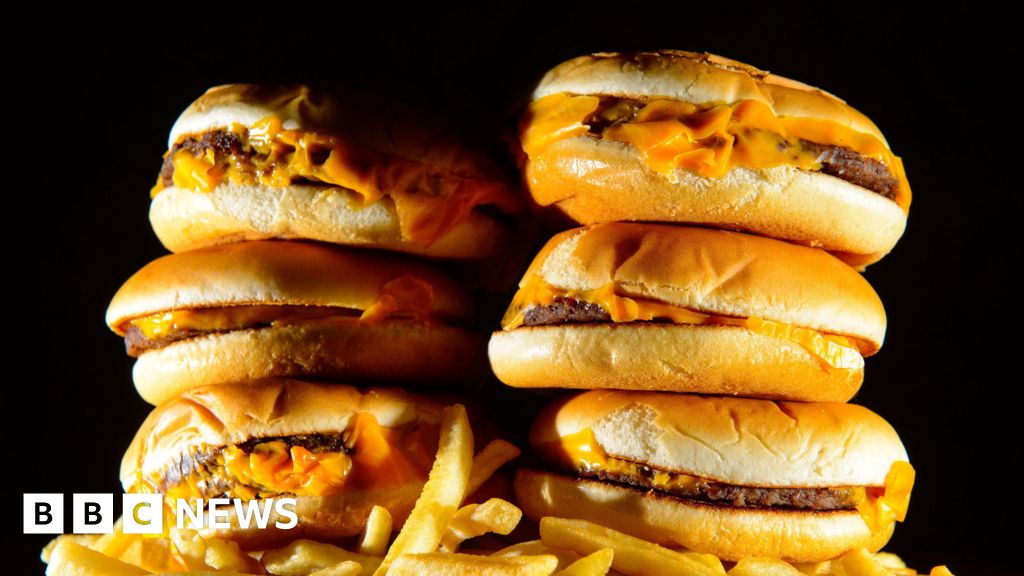
A UK-wide ban on adverts for foods high in fat, salt and sugar (HFSS) takes effect, prohibiting such adverts on TV before 21:00 and at any time online; products affected include soft drinks, confectionery, pizzas, ice cream and some sweetened cereals and breads, determined via a nutrient scoring tool. The measure, enforceable by the Advertising Standards Authority, allows brand-level promotion and healthier variants to be advertised, and the government estimates it will prevent ~20,000 cases of childhood obesity; NHS data cited 9.2% of reception-age children living with obesity and tooth decay in one-in-five five-year-olds. For investors, the restriction modestly raises downside risk to UK broadcasters' ad revenues and HFSS food and beverage marketing strategies, while accelerating reformulation and potential product portfolio shifts among manufacturers.
Market structure: The UK HFSS ad ban shifts promotional spend away from product-visible TV/online spots toward brand-only, in-store, sponsorship and reformulation. I estimate UK broadcaster HFSS-driven ad revenue could fall ~0.5–1.5% p.a. (near-term 6–12 months) while category volumes among under-16s could compress 0.5–2% absent aggressive reformulation; manufacturers with diversified/healthier portfolios (Nestlé, Danone, Unilever) gain relative share. Competitive dynamics favor retailers’ private-label healthy ranges and ingredient/sweetener suppliers as manufacturers invest to cut sugar/salt to qualify for advertising.
Risk assessment: Tail risks include escalation to full brand-ad bans, cross-border streaming loopholes closing, or heavy ASA fines; probability low-medium but impact on food & media profits high. Immediate risk (days-weeks) is reallocation of planned ad buys; short-term (3–12 months) is campaign redesign costs; long-term (1–3 years) is product reformulation capex and margin pressure if price promotions intensify. Hidden dependencies: programmatic ad targeting, global streaming feeds, and sponsorship workarounds could blunt impact; catalyst list: ASA rulings, reformulation announcements, UK grocery sales prints and ad-revenue releases.
Trade implications: Direct: short selective UK broadcasters (ITV.L) and specialist confectionery exposure; long: ingredient/low-sugar plays (TATE.L, INGR), health-focused majors (NSRGY/UL). Pair trades: long Nestlé (NSRGY) vs short Mondelez (MDLZ) to capture resilience from healthier SKUs. Options: buy 3–12 month protective puts on broadcasters and 9–18 month call spreads on reformulation beneficiaries; size initial exposure 1–3% portfolio per trade and re-evaluate on Q2 UK ad data.
Contrarian angles: Consensus underestimates brand-ad workarounds (brand-only, sponsorship, packaging) which can preserve sales, so headline demand drops may be smaller than feared—historical parallel: soda levy led to rapid reformulation, not demand collapse. Reaction may be overdone on broadcasters if advertisers shift budgets rather than cut them; unintended consequence: margin erosion for manufacturers via increased promotions and loyalty spend, benefitting retailers and ingredient suppliers more than advertised brands.
AI-powered research, real-time alerts, and portfolio analytics for institutional investors.
Request DemoOverall Sentiment
mildly negative
Sentiment Score
-0.25
