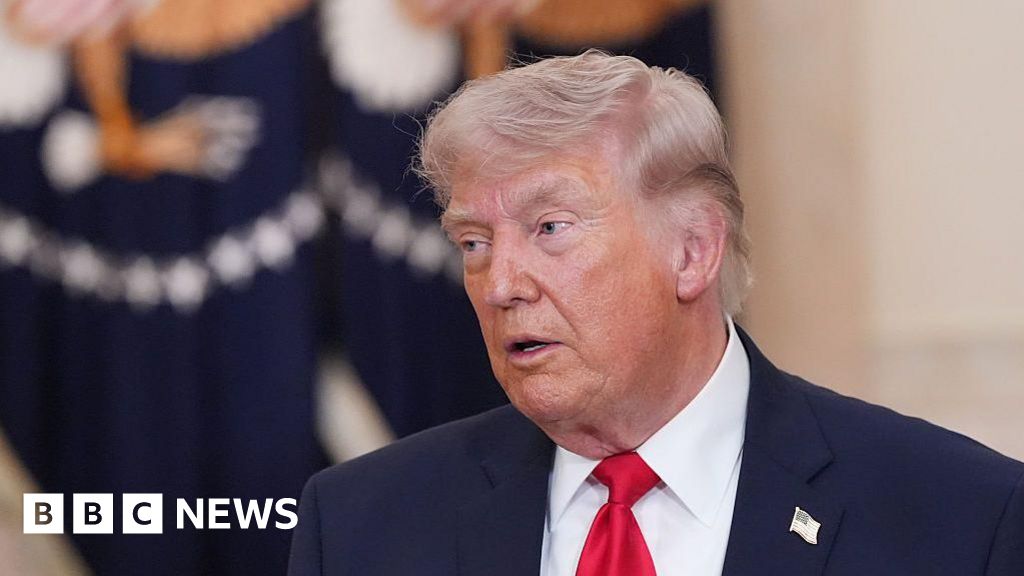
Trump declared victory after US forces recovered the second F-15 crew member; two aircraft were downed and at least one helicopter was hit, while US troops established a forward airfield/refueling point and held it for hours. Analysts warn these events highlight lingering threats (e.g., MANPADS), could deter risky ground seizures of Kharg Island or attempts to seize enriched uranium, but Trump's threats to strike Iranian power plants, bridges or to "take" oil raise the prospect of a broader escalation with direct implications for energy markets and regional stability.
Geopolitical messaging volatility will compress decision windows for corporate and market participants: expect episodic 1–8 week repricing events (oil, shipping insurance, defence pre-orders) rather than a clean multi‑year trend until a clear policy path is chosen. That pattern favors instruments that capture front‑loaded volatility (short‑dated calls, credit protection on shipping) and disfavors long‑dated, unconditional carry trades exposed to regime uncertainty.
Defense suppliers with niche counter‑MANPADS, airborne refueling, and expeditionary logistics lines of business are the highest‑conviction beneficiaries if policymakers choose limited kinetic pressure over diplomacy; procurement uplifts could materialize within 3–12 months but will be lumpy and politically constrained. Conversely, energy midstream and tanker owners face asymmetric downside from disrupted Strait of Hormuz throughput and insurance spikes — a 10–20% jump in time‑charter rates is plausible in a short‑term escalation scenario and would compress margins for refiners dependent on seaborne crude.
Media and domestic political plays create a discrete, tradeable window: partisan outlets see concentrated viewership gains during high‑salience geopolitical episodes, lifting near‑term ad revenue and CPMs for a single quarter, but advertiser flight or regulatory headlines can reverse gains in days. The consensus is polarized between “full escalation” and “diplomatic de‑escalation”; the path most likely to be realized is oscillation between the two, producing repeated short spikes in risk assets rather than a single sustained regime change.
AI-powered research, real-time alerts, and portfolio analytics for institutional investors.
Request DemoOverall Sentiment
mixed
Sentiment Score
0.00
Ticker Sentiment
