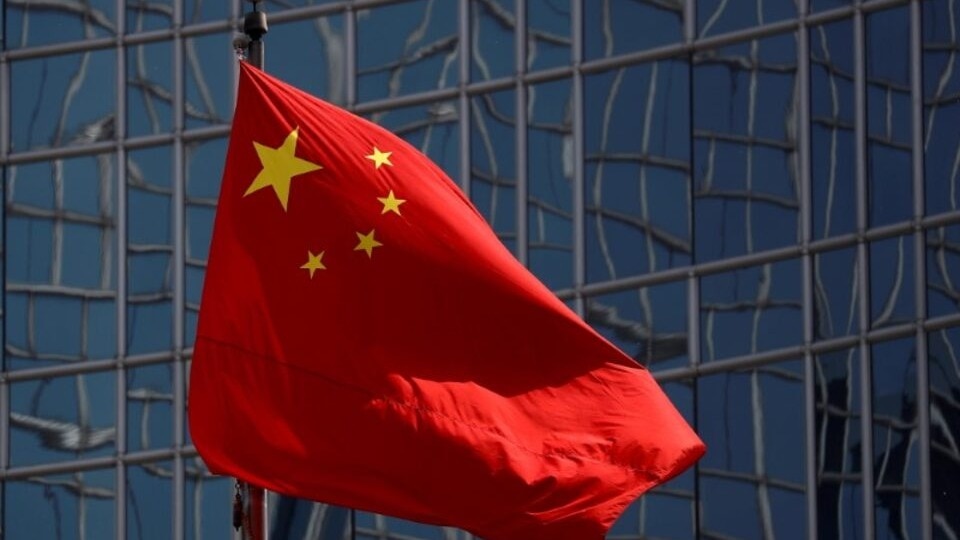
China has introduced a new 'K-visa' aimed at attracting top-tier foreign tech talent, including scientists and engineers, by waiving the traditional job offer requirement and basing eligibility on age, education, or experience thresholds. This policy represents a significant shift towards an open skilled immigration system, positioning China to intensify competition for elite global talent, particularly as Western nations tighten their immigration controls. The K-visa is a landmark development designed to accelerate China's high-tech ecosystem development in areas like AI and advanced manufacturing, signaling Beijing's strategic intent to enhance its global innovation leadership.
China's introduction of the 'K-visa' marks a significant strategic pivot in its global talent acquisition strategy. By waiving the requirement for a pre-existing job offer, a policy described as a 'landmark development', Beijing is positioning itself to aggressively compete for elite scientists, engineers, and researchers. This move is designed to directly fuel its high-priority sectors, including artificial intelligence, quantum computing, and advanced manufacturing. The policy's timing is critical, creating a stark contrast with tightening immigration controls in many Western nations and potentially shifting global talent flows. This reflects a broader geopolitical strategy to not only accelerate domestic innovation but also to rebrand China as a hub of 'free and open' mobility for skilled professionals, directly challenging the long-held position of the US and other Western countries.
AI-powered research, real-time alerts, and portfolio analytics for institutional investors.
Overall Sentiment
strongly positive
Sentiment Score
0.80
