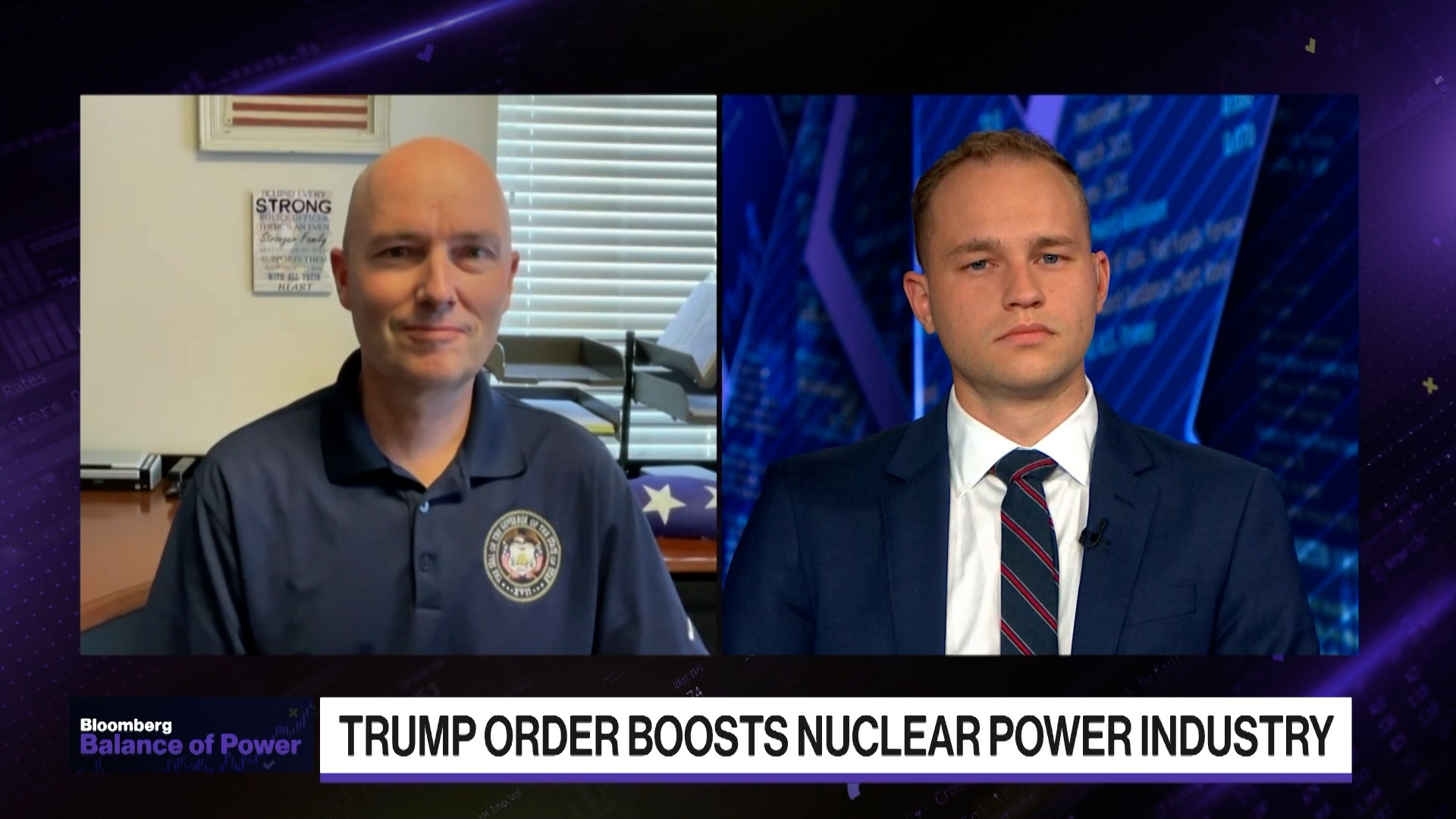
President Trump signed an executive order initiating a 180-day investigation into whether uranium imports threaten national security, potentially leading to tariffs or quotas. This action, prompted by domestic uranium producers, could raise costs for nuclear power plants, impacting their competitiveness against cheaper energy sources like natural gas, and may influence the future of nuclear energy in the U.S.
President Trump has initiated a 180-day investigation via executive order to assess whether uranium imports threaten U.S. national security, a development prompted by domestic uranium producers. This probe could result in the imposition of tariffs or quotas on uranium imports, potentially increasing operating costs for U.S. nuclear power plants and thereby diminishing their competitiveness against cheaper energy sources, notably natural gas. The outcome of this investigation carries significant implications for the future viability and strategic positioning of nuclear energy within the United States' energy portfolio. While the general sentiment surrounding this development is currently neutral, as indicated by a sentiment score of 0.0, the market impact score of 0.55 suggests a moderate level of anticipated market reaction, reflecting uncertainty until the investigation concludes and specific policy actions are announced. This event underscores the intersection of domestic politics, national security concerns, energy market dynamics, and their collective impact on critical infrastructure.
AI-powered research, real-time alerts, and portfolio analytics for institutional investors.
Request DemoOverall Sentiment
neutral
Sentiment Score
0.00
