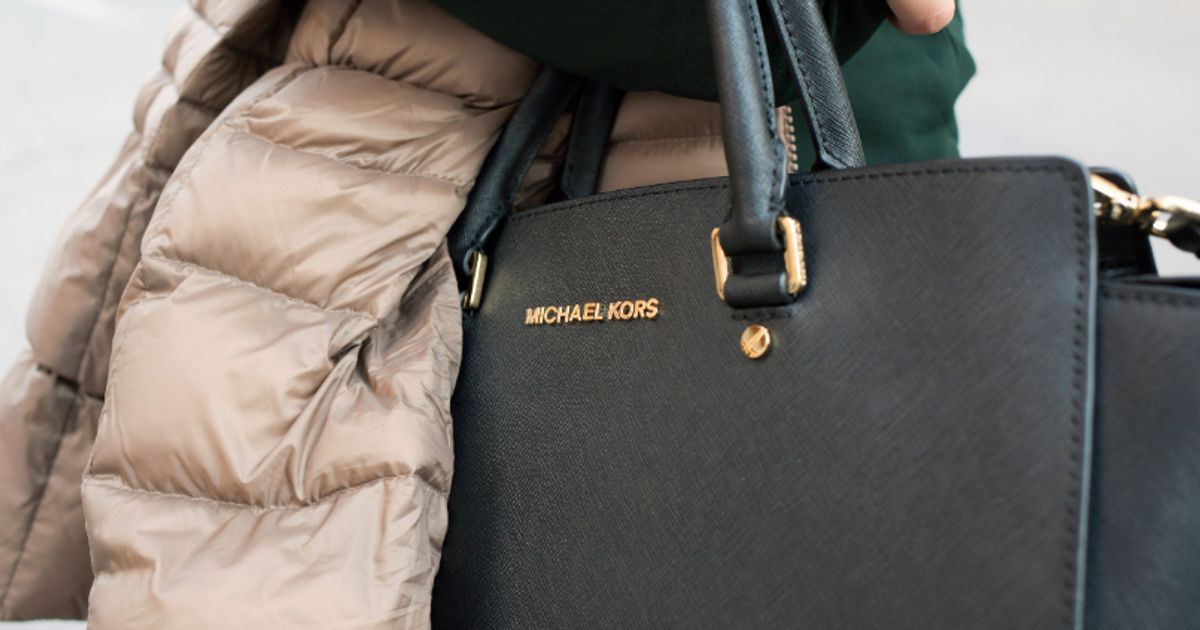
Capri Holdings reported Q3 fiscal 2026 revenue of $1.025 billion, down 4% year-over-year but slightly above street estimates (~$1.0B), and adjusted EPS of $0.81 (+30% YoY) versus consensus $0.77. Gross margin fell to 60.8% from 63.1% due to higher-than-expected tariffs and adjusted operating margin declined to 7.7% from 9.1%; Michael Kors sales dropped 5.6% to $858M while Jimmy Choo grew 5% to $167M. The company generated $252M in free cash flow, cut net inventory by 6.5% and reduced net debt to $80M after the Versace sale, but softer revenue trends and margin pressures drove shares down about 12%, prompting investor caution.
Market Structure: Capri’s print (Q3 revenue -4% to $1.025bn; gross margin 60.8% vs 63.1%; net debt ~$80m; FCF $252m) reallocates winners toward luxury groups with clearer pricing power (LVMH/LVMUY, Hermes) and hurts mid-tier aspirational players reliant on volume-led growth (Tapestry/TPR, Capri’s Michael Kors). Tariff-driven margin pressure signals input-cost shock rather than demand destruction, so suppliers and freight/logistics providers see pass-through/volatility; FX (strong USD) will continue to pressure reported revenues in coming quarters.
Risk Assessment: Short-term (days–weeks) downside risk is elevated—share volatility spiked ~12% intra-day—driven by sentiment; medium-term (1–3 quarters) catalysts include margin recovery or further tariff escalation; long-term risks include brand dilution after Versace divestiture and secular channel shifts to direct-to-consumer. Tail risks: renewed trade/tariff wars, inventory markdown cycle (>10% incremental markdowns) or a consumer luxury recession; hidden dependency: earnings quality tied to one-time proceeds and cost saves, not organic top-line.
Trade Implications: Tactical trades should reflect asymmetric risk: short-dated protection and selective pair trades vs premium luxury. Consider buying price-insensitive downside protection (3-month puts or put spreads) while initiating small, conditional long exposure if price falls to $16–18; rotate capital into LVMUY/KERUY for durable pricing power. Options/volatility trades should target 1–3 month windows around retailer earnings and tariff-related news flows.
Contrarian Angles: Market may be overstating structural demand collapse—Capri’s net debt near zero and $252m FCF provide a hard floor and optionality for buybacks or bolt-on M&A; downside beyond $14–15 would look dislocated absent macro shock. Historical parallel: post-asset-sale deleveragings often precede valuation re-ratings if margins stabilize (12–18 months), so layered, hedged exposure can capture mean reversion without taking unhedged directional risk.
AI-powered research, real-time alerts, and portfolio analytics for institutional investors.
Request DemoOverall Sentiment
moderately negative
Sentiment Score
-0.35
Ticker Sentiment
