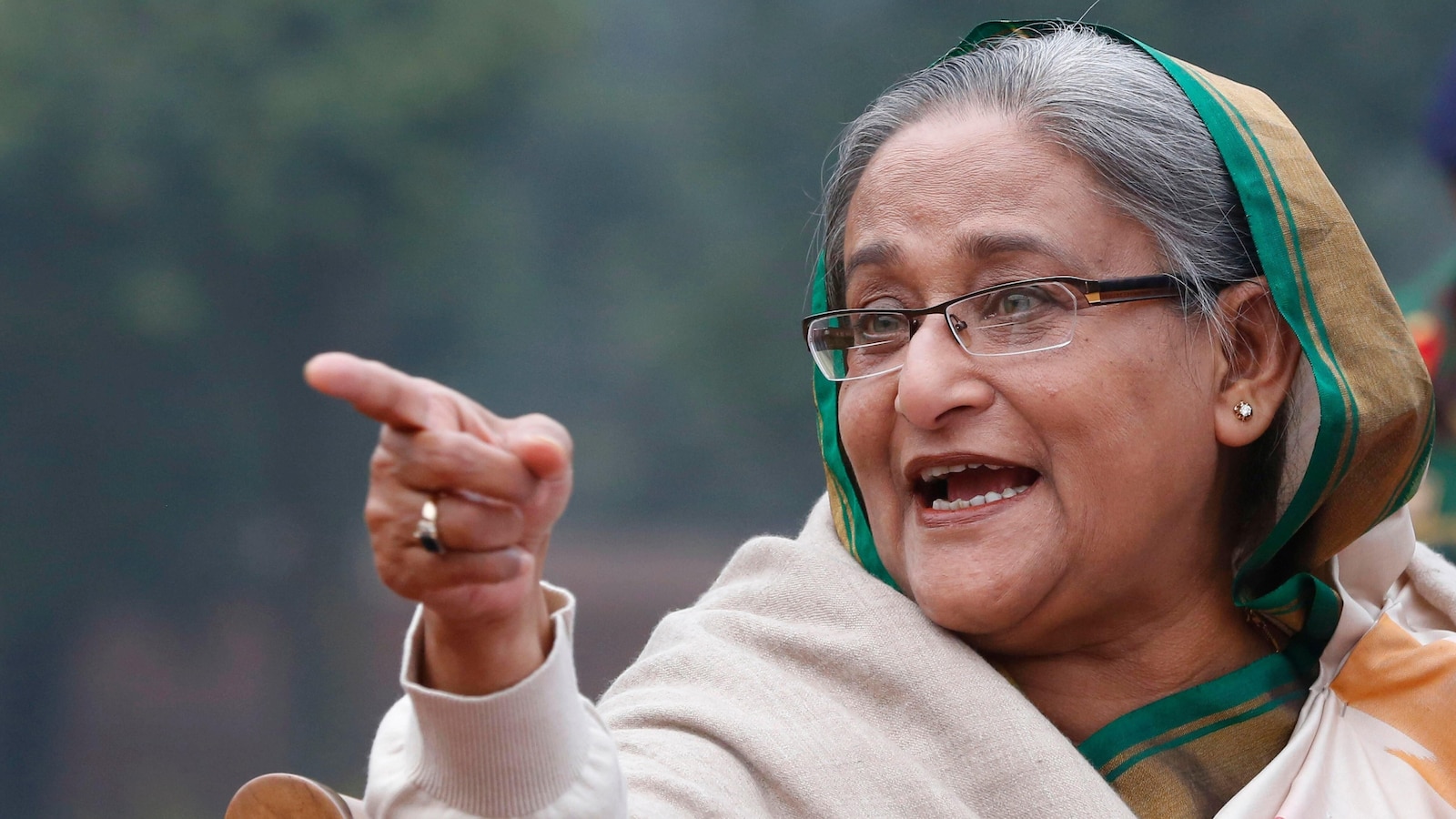
Bangladesh’s former prime minister Sheikh Hasina has been sentenced to death in absentia for crimes against humanity after the violent uprising that ended her 15‑year rule last August and left hundreds dead; she is in India, has rejected the verdict as politically motivated, and is unlikely to be extradited. The Yunus‑led interim government has barred Hasina and the Awami League from the scheduled February election and faces acute challenges — high political polarization, the risk of election‑related violence and police morale problems, and potential disruption by Awami League loyalists or other parties — which together raise questions about the state’s capacity to secure a credible vote. Human rights groups and the U.N. have flagged due‑process concerns even as some see the verdict as recognition for victims, leaving Yunus with the urgent task of convincing the international community of the trial’s legitimacy and restoring stability to safeguard political and economic confidence ahead of the polls.
Bangladesh’s former Prime Minister Sheikh Hasina was sentenced to death in absentia this week on charges of crimes against humanity after the violent uprising that ended her 15‑year rule last August; the article notes she has been in India since Aug. 5 and has rejected the verdict as “biased and politically motivated,” while India is described as unlikely to extradite her. The Yunus‑led interim government has barred Hasina and the Awami League from the scheduled February election, a decision analysts say has sharply elevated polarization — “at a fever pitch,” according to Michael Kugelman — and invites risks of disruption by party loyalists or “spoilers.”
Human Rights Watch and Amnesty International raised due‑process concerns about the trial, while the U.N. rights body called the verdict an important moment for victims but reiterated opposition to capital punishment; these mixed international reactions mean the interim administration must convince external stakeholders of the process’s credibility. Analysts cite concrete operational risks: police morale problems and prior fatalities among officers, which reduce state capacity to manage potential election violence and civil disorder.
For markets and investors, the article implies heightened short‑term political risk and uncertainty around policy continuity and public order through the February vote; credible, peaceful elections and international validation are identified as the key stabilizing variables to watch. Continued unrest or perceptions of an unfair process would likely prolong investor caution and impair economic activity, while a peaceful, broadly accepted election would materially reduce tail risks.
AI-powered research, real-time alerts, and portfolio analytics for institutional investors.
Request DemoOverall Sentiment
moderately negative
Sentiment Score
-0.45
