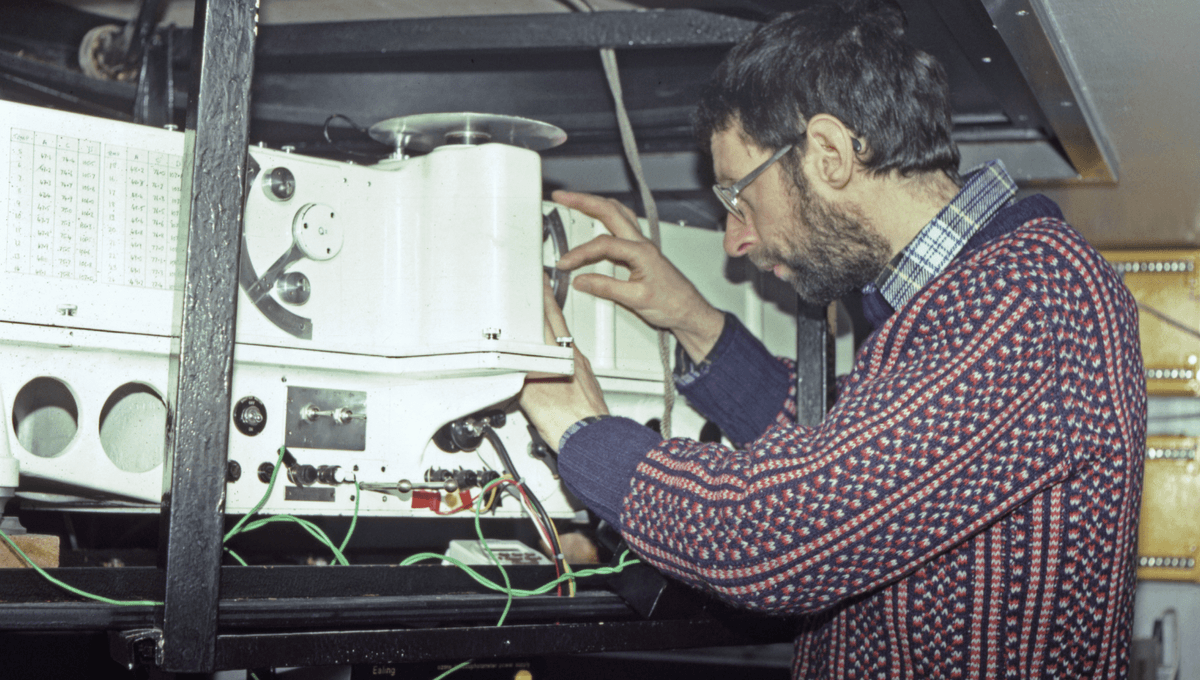
A paper published 40 years ago by British Antarctic Survey scientists revealed a hole in the ozone layer above Antarctica, leading to the Montreal Protocol in 1987, a landmark global treaty that phased out CFCs. The discovery highlighted the dangers of CFCs, which were found to be rapidly depleting ozone in the Antarctic due to unique atmospheric conditions, and the treaty's success offers a model for international cooperation on environmental issues, though challenges remain in addressing climate change due to its complexity and the unwillingness of politicians to make necessary changes.
The 1985 discovery of the Antarctic ozone hole, stemming from meticulous atmospheric data collection by British Antarctic Survey scientists, was a pivotal moment that led to the landmark 1987 Montreal Protocol, an unprecedented global treaty successfully phasing out ozone-depleting substances like CFCs. The protocol's remarkable success, described as 'perhaps the single most successful international agreement to date,' was driven by several factors: clear scientific evidence pinpointing CFCs, the availability of viable industrial alternatives, economic incentives for manufacturers whose CFC patents were nearing expiration, and strong public health imperatives which catalyzed swift political consensus. This outcome contrasts starkly with the ongoing struggle to address climate change, which experts in the article characterize as 'much, much more difficult' due to its complex, systemic nature affecting nearly every economic sector and requiring profound societal transformations rather than direct technological substitutions. The article highlights a political reluctance to implement immediate, impactful measures against such 'exponential growth' problems. While the ozone layer is on a path to recovery, projected for the second half of this century, this progress is described as fragile, facing threats from rogue emissions of banned substances, the potential impact of climate change on atmospheric dynamics, and newly identified risks such as the increasing frequency of satellite and rocket launches.
AI-powered research, real-time alerts, and portfolio analytics for institutional investors.
Overall Sentiment
Positive
Sentiment Score
0.30
