

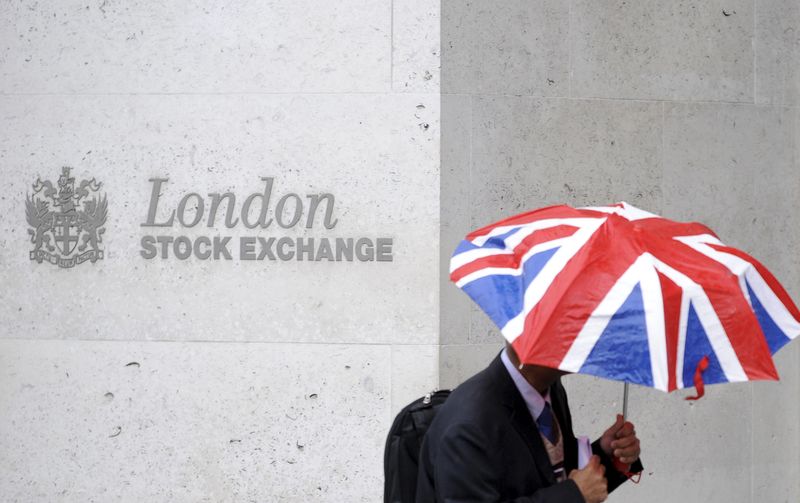
U.S. and Iran are said to have reached a peace deal pending President Trump’s approval, a potentially major geopolitical development that coincides with firmer commodity prices. Gold futures rose 0.68% to $4,512.17/oz, July crude oil gained 1.31% to $89.84/bbl, and August Brent advanced 1.03% to $93.20/bbl, while the U.S. Dollar Index Futures slipped 0.18% to 98.97. UK equities fell 0.63% at the close, with Auto Trader down 3.87% to 5-year lows.
The market is pricing a de-escalation impulse, but the first-order reaction is less important than the second-order reset in risk premia. A Middle East détente typically compresses the geopolitical risk embedded in energy, which can leak into lower implied volatility across Europe, a softer defense bid, and modest relief for UK capex-sensitive sectors via lower imported input costs. The bigger macro transmission is through the dollar: if this is seen as reducing tail-risk in oil, USD strength should fade at the margin, which is supportive for UK multinationals and UK domestic rates-sensitive names over the next 1-3 months.
The key divergence is between headline peace and operational peace. If shipping lanes, proxy activity, and sanctions enforcement remain unchanged, crude can keep a war premium even while equities celebrate, so the move in energy may be overstating the durability of the policy signal. That matters because utilities and telecoms here are trading as duration proxies; if oil holds up and the BOE stays restrictive, the bid for defensives should remain fragile rather than reversing cleanly.
For the listed names in scope, the direct read-through is more about factor rotation than fundamental earnings changes. NGG-type regulated utilities are vulnerable if the market starts to reprice lower geopolitical inflation and higher real yields, while any improvement in energy visibility tends to support cyclicals and defense-adjacent industrials through better visibility on public spending and input costs. The contrarian view is that a peace headline can become a sell-the-news event for defensives and gold if it reduces crisis hedging demand without meaningfully lowering commodity prices.
The highest-conviction setup is to fade the crowded defensive-duration trade on confirmation, not on the headline, because the unwind tends to happen in stages over days rather than minutes. If the deal is approved and crude retraces while yields stabilize, the relative losers are low-growth defensives; if the deal stalls, those same names can quickly rebound, so timing and hedging matter more than outright conviction.
AI-powered research, real-time alerts, and portfolio analytics for institutional investors.
Request TrialOverall Sentiment
neutral
Sentiment Score
0.05
Ticker Sentiment
