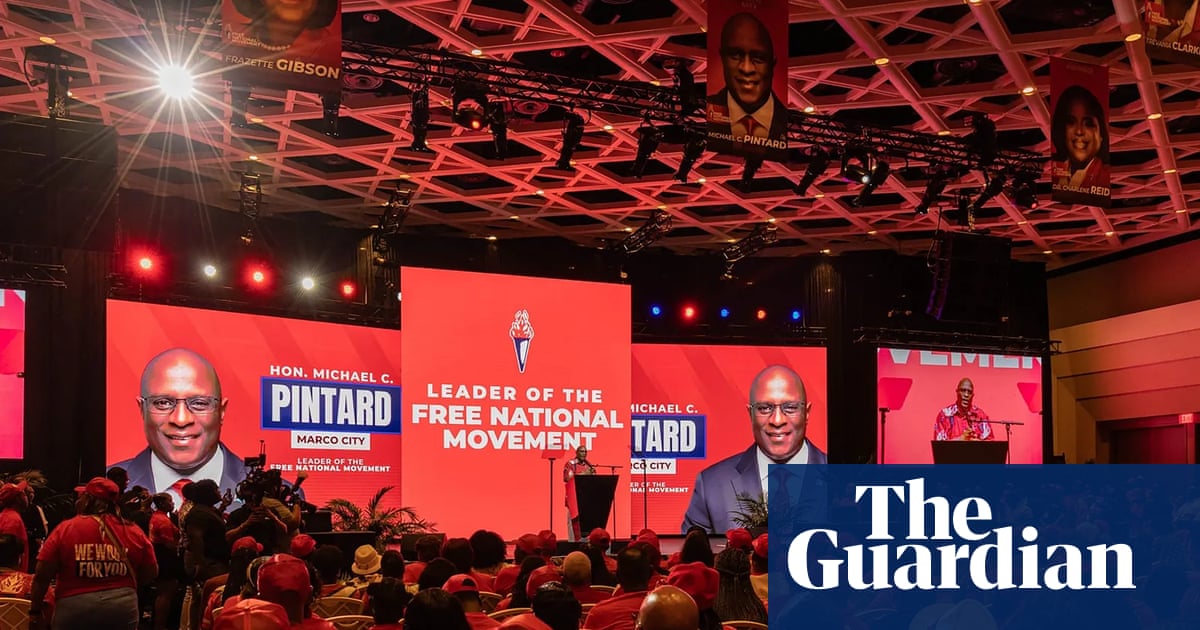
Bahamas voters are heading into a closely contested general election where the PLP is seeking a second term amid debate over immigration, the cost of living, and gas prices near $7 a gallon in New Providence. The governing party is emphasizing post-pandemic recovery and record tourism growth, while the opposition is campaigning on illegal immigration and affordability. The vote is politically relevant for the Bahamas but is unlikely to have broad market impact beyond local sentiment and policy expectations.
The market-relevant readthrough is not the election itself but the policy mix likely to emerge from it: tighter immigration enforcement plus a cost-of-living agenda usually means more fiscal pressure, not less. In a small, import-dependent economy with a currency peg, that combination is typically supportive for domestic political incumbency in the near term but structurally negative for margin-sensitive consumer sectors because it does little to offset imported inflation. If the opposition gains traction, the first-order market response should be in anything tied to tourism labor availability, ports, and local services rather than broad macro risk pricing.
The second-order issue is labor supply. A harder line on immigration may be politically popular, but it risks tightening already constrained service labor, which can raise wage bills and impair hotel/restaurant operating leverage over the next 6-18 months. That creates a paradox: the more aggressively policy leans into enforcement, the more it may protect wages for some households while squeezing the very tourism ecosystem that funds the economy.
The other underappreciated catalyst is energy pass-through. Because fuel is effectively a headline tax on households and transport, any administration will be judged quickly on gasoline prices, which are exogenous to local policy unless there is a meaningful subsidy or tax offset. That makes this less a medium-term growth story than a short-cycle consumer confidence and discretionary travel-spend story; the key risk is that a sharp public mandate on cost of living leads to populist measures that widen the fiscal deficit without meaningfully reducing imported inflation.
Consensus seems to assume the result is binary political noise. The better framing is that whichever side wins, the economy likely gets more interventionist at the margin, while the tourism machine remains the main shock absorber. The contrarian angle is that the highest-beta consequence may be labor scarcity and wage inflation, not headline politics, which would show up first in operating costs and service quality before it shows up in GDP prints.
AI-powered research, real-time alerts, and portfolio analytics for institutional investors.
Request DemoOverall Sentiment
neutral
Sentiment Score
-0.05
