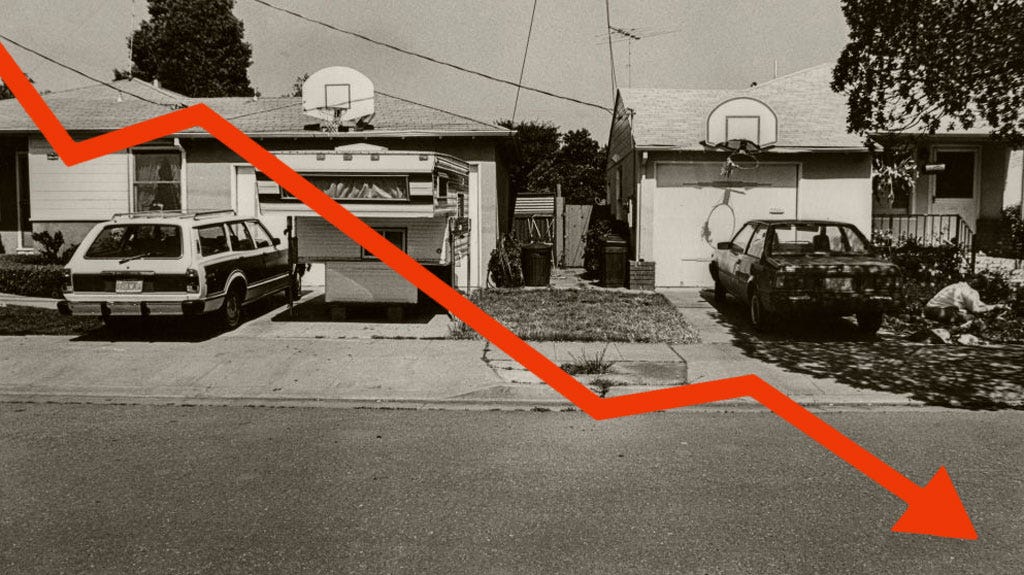
The piece exposes that the U.S. official poverty line is based on a 1963 methodology—defined as three times the cost of a minimum food diet in 1963 adjusted for inflation—an approach that understates modern hardship because housing, healthcare and childcare costs have risen disproportionately since then. By relying on an outdated food-based multiplier, official poverty statistics can mask deteriorating real living standards and consumer stress, a factor that could influence fiscal policy debates and consumption trends even if it is unlikely to move markets directly.
Market structure: Re-anchoring poverty upward implies persistent real-income stress for a larger population than official stats show, benefitting value/discount retailers (DLTR, DG, WMT), low-cost grocers (KR) and affordable-rent landlords (INVH, AMH) while pressuring mid/high-end discretionary names (M, RH) and rent-sensitive luxury REITs (EQR risk if rent control expands). Pricing power will bifurcate: staples and dollar channels can raise volumes but not prices much; landlords of workforce housing gain nominal rent leverage; insurers and regional banks face credit-risk concentration in lower-income cohorts. Cross-asset: anticipate 10–40bps higher inflation breakevens over 6–12 months, upward pressure on food and shelter commodity baskets, modest USD weakening if fiscal transfers materialize, and safe-haven demand for nominal Treasuries in stress episodes.
AI-powered research, real-time alerts, and portfolio analytics for institutional investors.
Request DemoOverall Sentiment
moderately negative
Sentiment Score
-0.45
