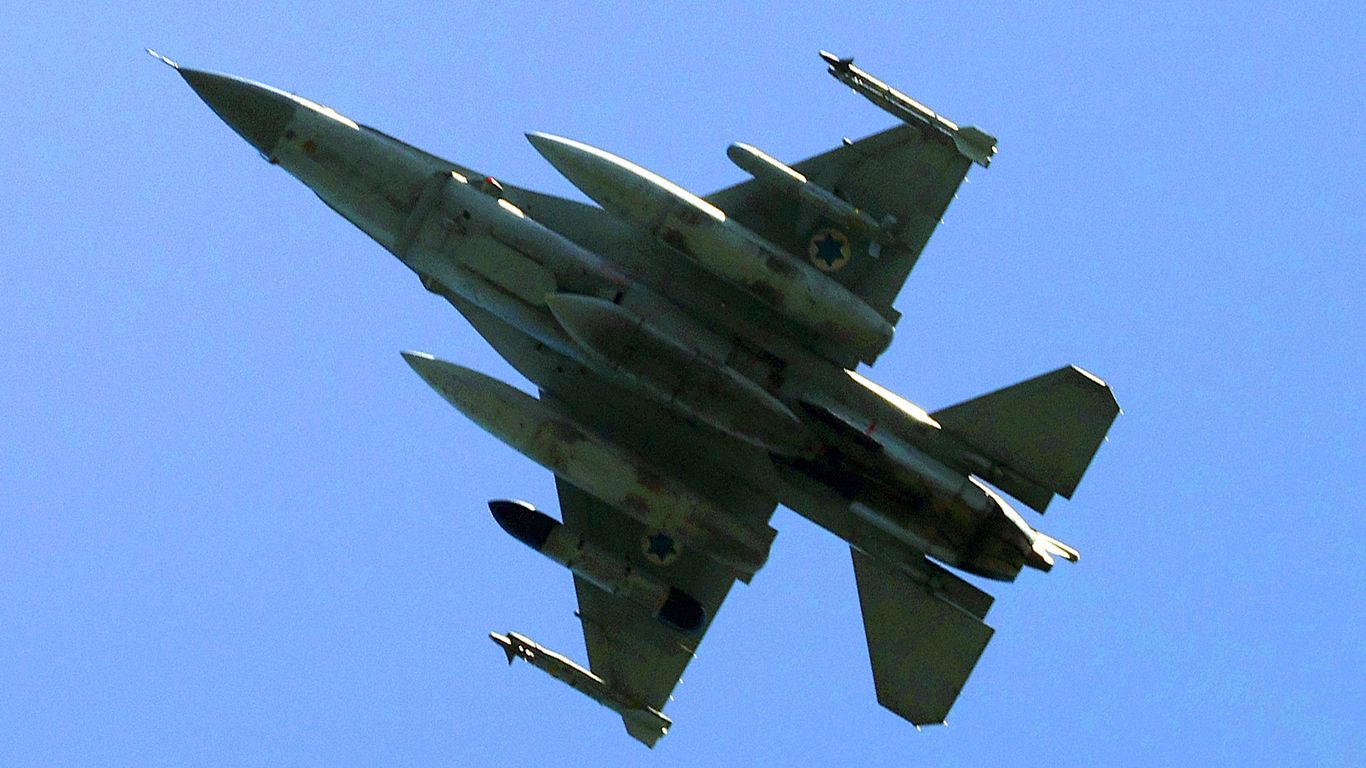
The Israeli Air Force carried out a strike in Beirut targeting Hezbollah military chief of staff Haytham Ali Tabatabai, in what Prime Minister Benjamin Netanyahu called the most significant Israeli attack on Hezbollah leaders since last year’s ceasefire and the first strike in Beirut in five months. Israeli officials say Tabatabai led Hezbollah’s build-up and push to end the ceasefire; missiles hit the fourth and fifth floors of a 10‑story building in a Hezbollah stronghold of Beirut’s southern suburbs, with Lebanese media reporting one dead and five wounded. Washington says it was not notified ahead of the strike (though U.S. officials were aware of a planned escalation), and Tabatabai is a U.S.-designated terrorist with a $5 million reward — the operation therefore heightens the risk of renewed broader confrontation between Israel and Hezbollah.
The Israeli Air Force carried out a strike in Beirut targeting Hezbollah military chief of staff Haytham Ali Tabatabai, Prime Minister Benjamin Netanyahu said. Netanyahu described it as the most significant Israeli strike against Hezbollah leaders since the ceasefire a year ago and the first strike in Beirut in five months. Missiles hit the fourth and fifth floors of a 10‑floor building in a southern Beirut suburb identified as a Hezbollah stronghold; Lebanese media reported one dead and five wounded. Israeli officials said the operation was ordered on the recommendation of the defense minister and IDF chief of staff.
Israeli authorities portray Tabatabai as the lead organizer of Hezbollah's build-up and a key voice pushing to end the ceasefire; he is a U.S.-designated terrorist with a $5 million reward for information. The strike follows weeks of escalating Israeli attacks on Hezbollah in Lebanon, indicating a strategic move toward leadership-targeted operations after prior assassinations of commanders. This action materially raises the prospect of renewed Israel–Hezbollah confrontation.
A senior U.S. official said Washington was not notified in advance, though U.S. officials had been aware of planned escalation but not timing or target; that gap increases uncertainty around U.S. deconfliction and regional spillovers. Market signals label the event moderately negative with a market-impact score of 0.6 and themes of Geopolitics & War and Infrastructure & Defense, implying elevated near-term geopolitical risk and potential relative support for defense-related assets if the conflict broadens.
AI-powered research, real-time alerts, and portfolio analytics for institutional investors.
Request DemoOverall Sentiment
moderately negative
Sentiment Score
-0.50
