European diplomats are pressing to restart negotiations on Iran's nuclear program, threatening to reinstate harsh sanctions by late August if no progress is made, a development with potential implications for global energy markets. Domestically, the Trump administration is releasing over $5 billion in previously frozen education funds. Meanwhile, Wall Street concluded the week strongly, with the Dow gaining over 200 points, and both the Nasdaq and S&P 500 reaching new all-time highs.
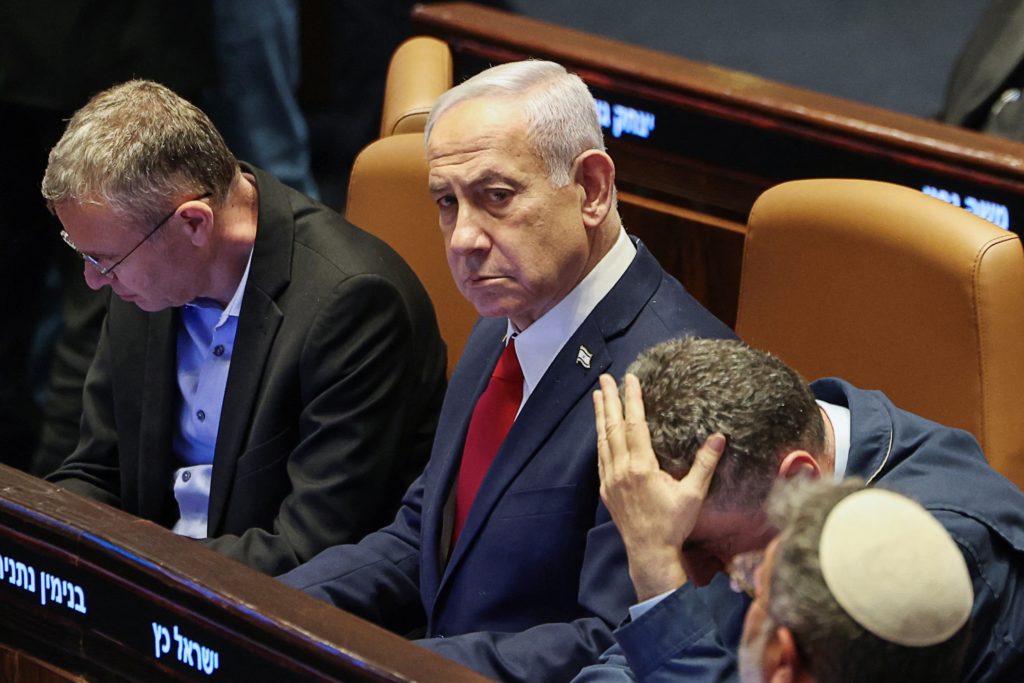
Despite US equity markets reaching new all-time highs, with the S&P 500 and Nasdaq setting records and the Dow gaining over 200 points, underlying geopolitical risks are escalating. The primary concern stems from the Middle East, where Israel-Hamas ceasefire negotiations have collapsed, prompting Israeli Prime Minister Netanyahu to consider 'alternative options' and a US envoy to note Hamas's 'lack of desire to reach a deal,' suggesting a potential intensification of the conflict. Simultaneously, tensions with Iran are at a critical juncture; European diplomats have set a late-August deadline for progress on nuclear talks, threatening the reinstatement of 'harsh sanctions' which could significantly impact global energy markets. This is compounded by a separate regional conflict between Thai and Cambodian forces, described as the worst in over a decade, which has displaced nearly 60,000 people and risks escalating into a state of war. On the domestic front, the Trump administration's release of over $5 billion in previously frozen education funds represents a modest fiscal injection, but the broader market sentiment appears disconnected from the mounting global instability.
AI-powered research, real-time alerts, and portfolio analytics for institutional investors.
Overall Sentiment
mixed
Sentiment Score
0.15
