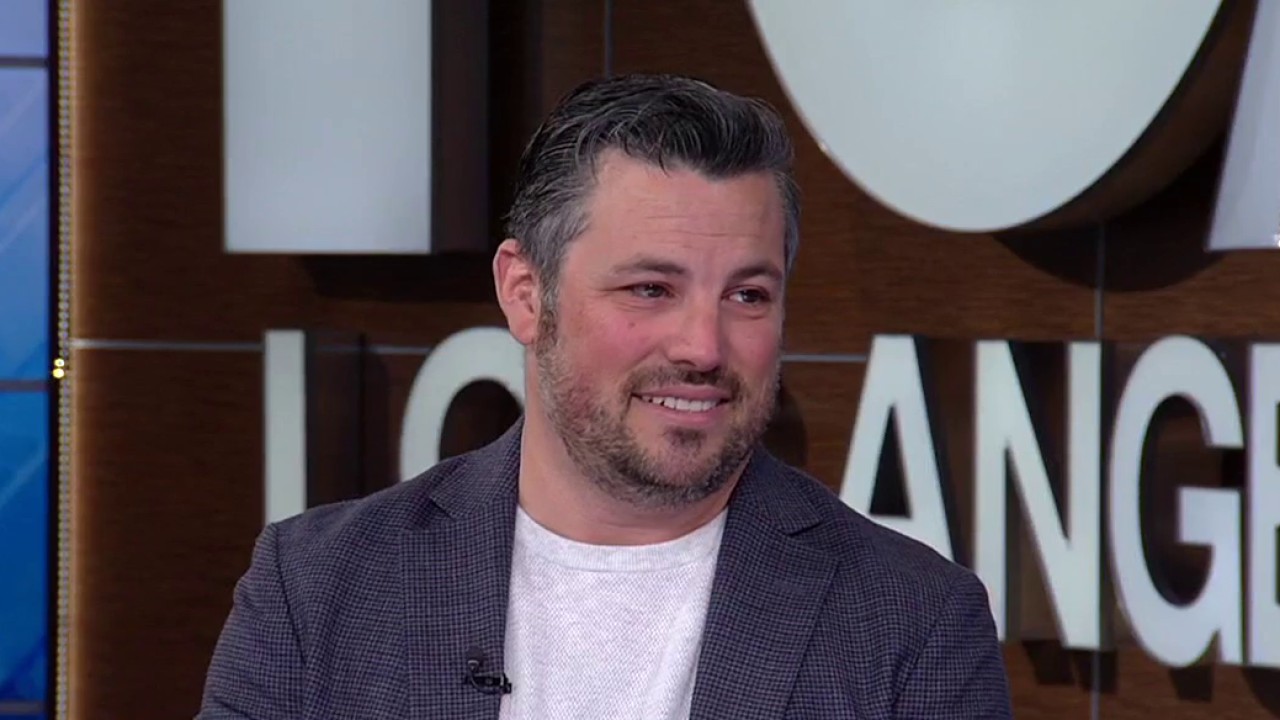
Rick Caruso announced he will not run in the upcoming 2026 elections for California governor or Los Angeles mayor, posting Jan. 16, 2026 that he will continue recovery work through his nonprofit Steadfast LA and family foundations. A high-profile real estate developer who lost the 2022 mayoral race to Karen Bass and has criticized the city’s response to the January 2025 Palisades Fire, Caruso’s withdrawal removes a well-funded potential entrant from both the crowded LA mayoral field (25 candidates listed) and the broader governor’s race ahead of the June 2, 2026 primary.
Market structure: Caruso declining to run removes a high-profile developer from direct political influence but does not stop private-led reconstruction momentum. Immediate winners: construction materials (aggregates, cement, lumber) and regional homebuilders with Southern California exposure; losers: municipal issuers and service providers facing scrutiny/contingent liabilities in fire-impacted precincts. Pricing power shifts toward materials suppliers (VMC/MLM) where input constraints are easier to pass through than toward builders with thin margins.
Risk assessment: Tail risks include a policy swing (anti-development zoning changes or expanded liability for wildfire losses) that could hit builders and insurers — low-probability but high-impact within 3–12 months if a hostile candidate wins. Immediate noise risk is elevated through the June 2, 2026 primary; medium-term (6–18 months) depends on reconstruction permitting speed and federal/state disaster aid. Hidden dependencies: insurance rate resets, labor availability (construction crew shortages), and lumber/steel supply chains; any one widening >15% from current levels materially compresses builder margins.
Trade implications: Favor materials over builders (better margin pass-through) and underweight direct LA municipal-credit risk until post-primary. Tactical plays: allocate small, liquid equity positions and defined-risk options to capture a 3–12 month reconstruction uptick while capping downside; avoid concentrated exposure to LA general-obligation and revenue bonds ahead of election outcomes. Cross-asset: watch California muni spreads vs. Treasuries for a >25bp move as a trigger to hedge municipal exposure.
Contrarian angles: The market may underprice privately funded recovery (Steadfast LA style), meaning public materials suppliers could see steady volume even without major policy shifts; conversely consensus may be over-optimistic on homebuilders’ near-term margin recovery given labor and permit delays. Historical parallel: post-wildfire rebuild cycles (2018–2020) drove 6–18 month commodity and aggregate outperformance while many regional builders lagged. Unintended consequences include wage inflation and input-cost spikes that favor vertically integrated materials names over pure-play homebuilders.
AI-powered research, real-time alerts, and portfolio analytics for institutional investors.
Request DemoOverall Sentiment
neutral
Sentiment Score
0.00
