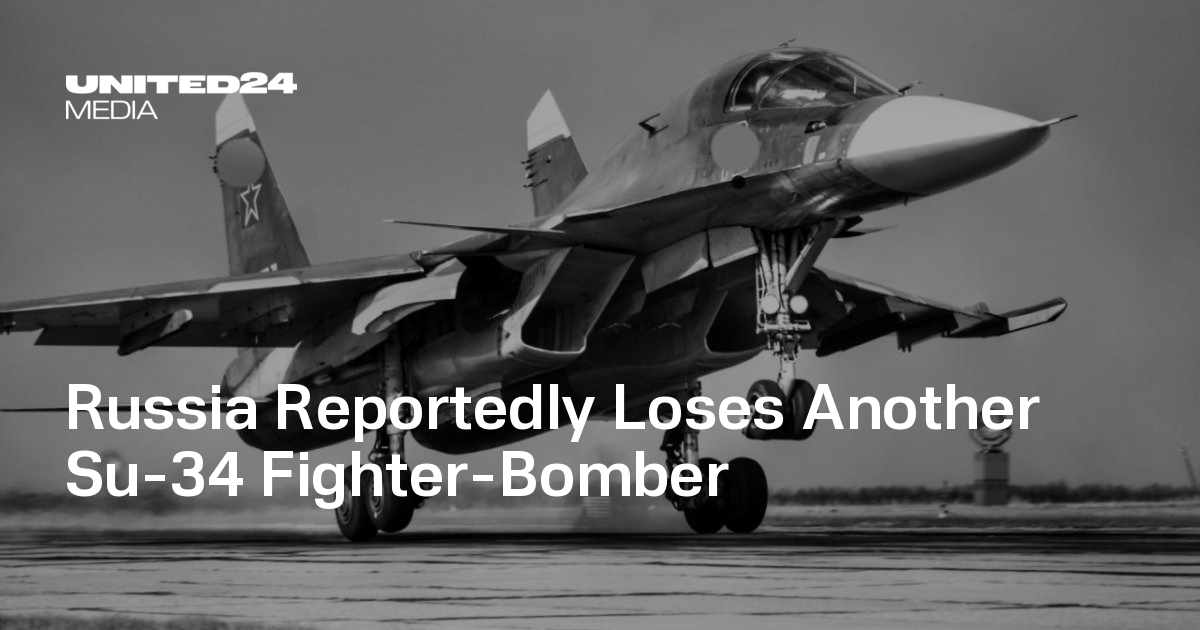
A Russian military Telegram channel reported the loss of another Su-34 fighter-bomber and implied the pilot did not survive. Open-source satellite imagery from Feb 2026 shows nearly 100 jets parked at Lipetsk, including many Su-34s and Su-35S fighters; since Russia initially deployed only ~70 Su-34s to the war, even single losses or maintenance delays meaningfully strain fleet availability.
Attrition in a constrained tactical aviation fleet is a force-multiplier for demand in sustainment, spares and ISR — not just more airframes but faster turnaround on engines, avionics and guided-munition integration. Over the next 3–12 months expect procurement and logistics bottlenecks to bid up specialized suppliers (engines, EO/IR pods, nav/comms) and premium on commercial satellite and ISR tasking as commanders substitute persistent sensing for risky sorties.
Second-order winners are likely to be Western primes and niche OEMs that supply stand-off weapons, loitering munitions and targeting pods because they plug capability gaps created by fewer strike sorties; conversely, operations that depend on high sortie rates (large bomber or tactical-sorting maintenance ecosystems in-country) face margin pressure and inventory depletion. On a 6–18 month view, this dynamic also raises the bar for allied replenishment funding and export approvals, creating predictable pacing for large contract awards and stockable orders.
Tail risk: adversaries will adapt — shifting to cheaper massed loitering munitions, surface-to-surface fires and dispersed logistics can blunt the premium on high-end airframes within 12–24 months. A reversal could come quickly if a jump in local production or covert external deliveries refill the fleet, so monitor spare-parts shipment flows, contract award notices and weekly ISR tasking volumes as early indicators that the market trade has run ahead of reality.
AI-powered research, real-time alerts, and portfolio analytics for institutional investors.
Request DemoOverall Sentiment
mildly negative
Sentiment Score
-0.30
