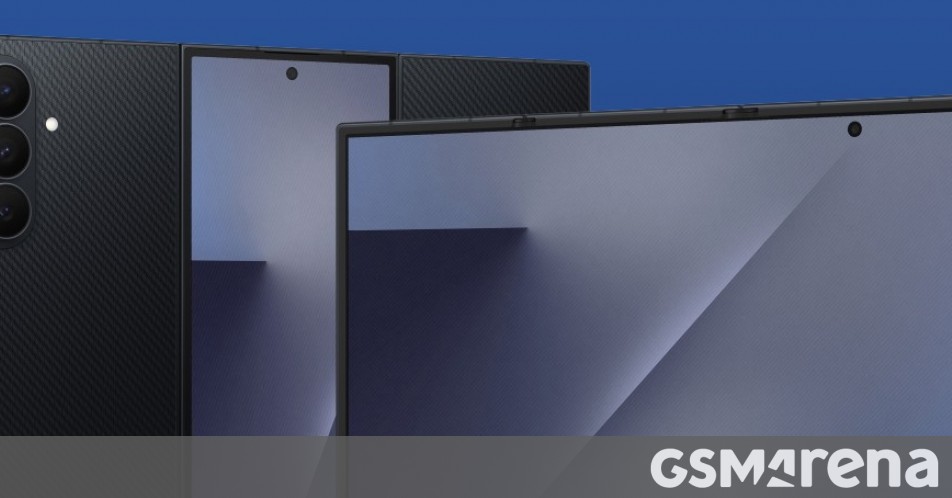
Samsung launched the Galaxy Z TriFold in the US priced at $2,899 for a single 512GB/16GB RAM Crafted Black configuration — $900 more than the Galaxy Z Fold7 — and put a limited number of units on sale at Samsung.com and Experience Stores, with the model reportedly selling out in about 20 minutes. Samsung describes the device as a tech showcase sold at a loss, suggesting strong interest among foldable enthusiasts but opaque unit counts and extremely limited availability mean the event is unlikely to move markets materially while posing potential margin implications for the company.
Market structure: The TriFold is a halo, not a volume product — a 20‑minute sellout with undisclosed units signals scarcity-driven demand among enthusiasts but not mass adoption yet. Beneficiaries are component makers for premium foldables (Qualcomm QCOM for SoCs, display suppliers like LG Display 034220.KS and BOE 000725.SZ, and specialty glass manufacturers such as Corning GLW/AGC 5201.T); losers are low‑end OEMs and retailers that compete on price rather than innovation. Pricing power remains limited: Samsung is selling at a loss to showcase tech, so near‑term ASP inflation for the broader smartphone market is unlikely without competitor follow‑through.
Risk assessment: Tail risks include a high‑profile recall or hinge durability failure that could trigger a supplier revenue hit and margin write‑downs (weeks–months) or a failed consumer adoption that forces inventory markdowns (quarters). Immediate market reactions (days) could be volatile around Samsung disclosures; short‑term (1–3 months) risks center on yield and supply constraints; long‑term (12–36 months) hinge durability, ecosystem (apps/UX) and Apple timing determine mainstream adoption. Hidden dependencies: yield rates for ultra‑thin glass and foldable OLEDs drive margin swings and supplier orders.
Trade implications: Direct actionable trades include a tactical 1–2% portfolio long in QCOM via a 3–6 month call spread to capture upside from premium chipset demand, and selective 1–2% longs in LG Display (034220.KS) or GLW for materials exposure, scaled up if Samsung reports >10k units sold in next 60 days. Pair trade: long QCOM (1%) / short AAPL (1%) on a 6–12 month view if Apple delays a credible foldable — hedge size to limit tail risk. Options: buy 3–6 month QCOM call spreads and 6–12 month long puts on small OEM ETFs if adoption stalls. Rotate toward semiconductors and display/materials, reduce exposure to mass‑market handset retailers by 2–4%.
Contrarian angles: The market may over‑interpret the flash sellout as proof of mass demand; early foldable launches (Galaxy Fold 2019) saw durability issues that delayed adoption. Mispricing risk: supplier stocks may already price a modest halo — real alpha comes from revealed unit sales and yield improvements; set concrete triggers (increase exposure if Samsung discloses >20k installs or suppliers report UTG yield >70% within 3 months). Unintended consequence: persistent loss‑leader pricing could pressure Samsung’s consolidated margins and force capex reprioritization, hurting long‑cycle suppliers if repeated.
AI-powered research, real-time alerts, and portfolio analytics for institutional investors.
Request DemoOverall Sentiment
mixed
Sentiment Score
0.05
