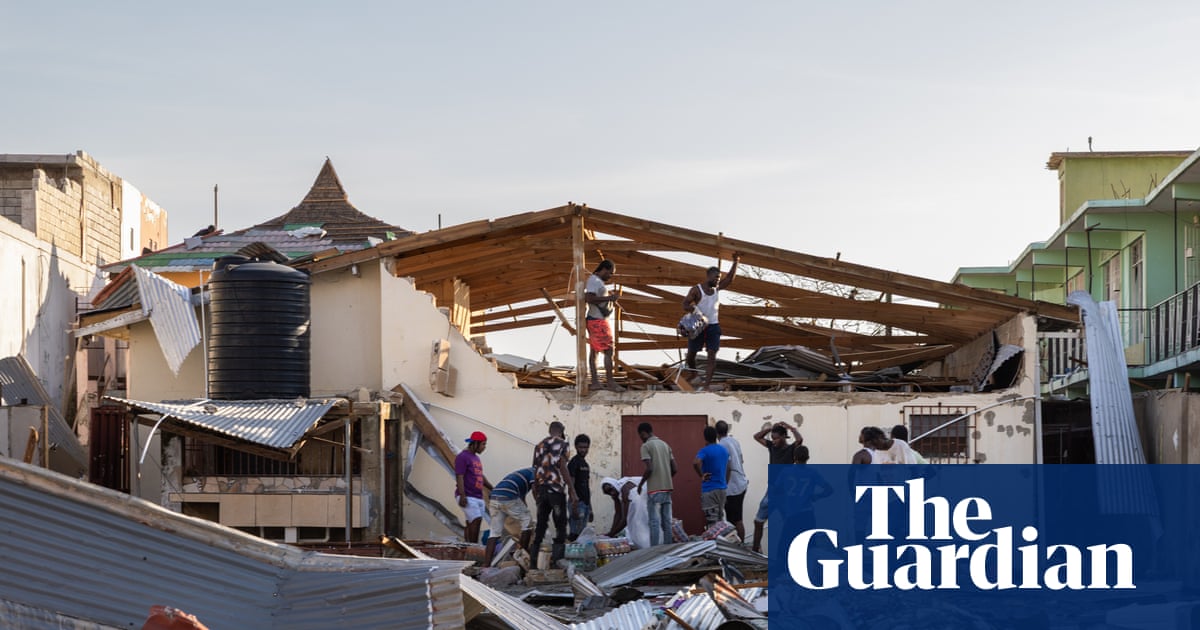
Hurricane Melissa, a record-tying Category 5 storm, has caused catastrophic damage across Jamaica, Cuba, Haiti, and the Dominican Republic, with Black River, Jamaica, described as "ground zero" due to widespread destruction and a burgeoning humanitarian crisis. The storm, which has claimed at least 50 lives and severely disrupted communication networks, is estimated to require "billions upon billions" for rebuilding, significantly impacting the region's tourism sector and infrastructure. Experts warn that the intensity of such events, linked to climate change, portends increased social and economic strain and longer recovery times for the Caribbean, posing growing risks for regional investments and insurance markets if global emissions are not drastically reduced.
Hurricane Melissa, a Category 5 storm matching a 1935 record for intensity, has inflicted catastrophic damage across Jamaica, Cuba, Haiti, and the Dominican Republic, with Black River, Jamaica, identified as "ground zero." The storm has annihilated town centers, destroyed critical infrastructure including communication networks, and resulted in a confirmed death toll of 50, which is expected to rise. This widespread devastation has triggered an immediate humanitarian crisis, leaving residents traumatized and in urgent need of basic necessities.
The economic repercussions are substantial, with rebuilding costs in Jamaica alone projected to be in the "billions upon billions." Key sectors such as tourism, evidenced by severely damaged hotels and the complete loss of beachfront restaurants in Treasure Beach, face significant disruption and repeated reconstruction challenges. Local businesses are experiencing acute shortages of essential construction materials, indicating a prolonged recovery period and sustained demand for commodities.
This event starkly highlights the escalating vulnerability of Caribbean emerging markets to extreme weather phenomena, with experts attributing Melissa's intensity to climate change. The CEO of the Jamaica Environment Trust warns of more frequent and powerful storms, leading to extended recovery timelines and increased social and economic strain for the region. This trend implies heightened long-term risks for regional infrastructure, insurance markets, and overall investment stability if global emissions are not drastically reduced.
AI-powered research, real-time alerts, and portfolio analytics for institutional investors.
Request DemoOverall Sentiment
extremely negative
Sentiment Score
-0.90
