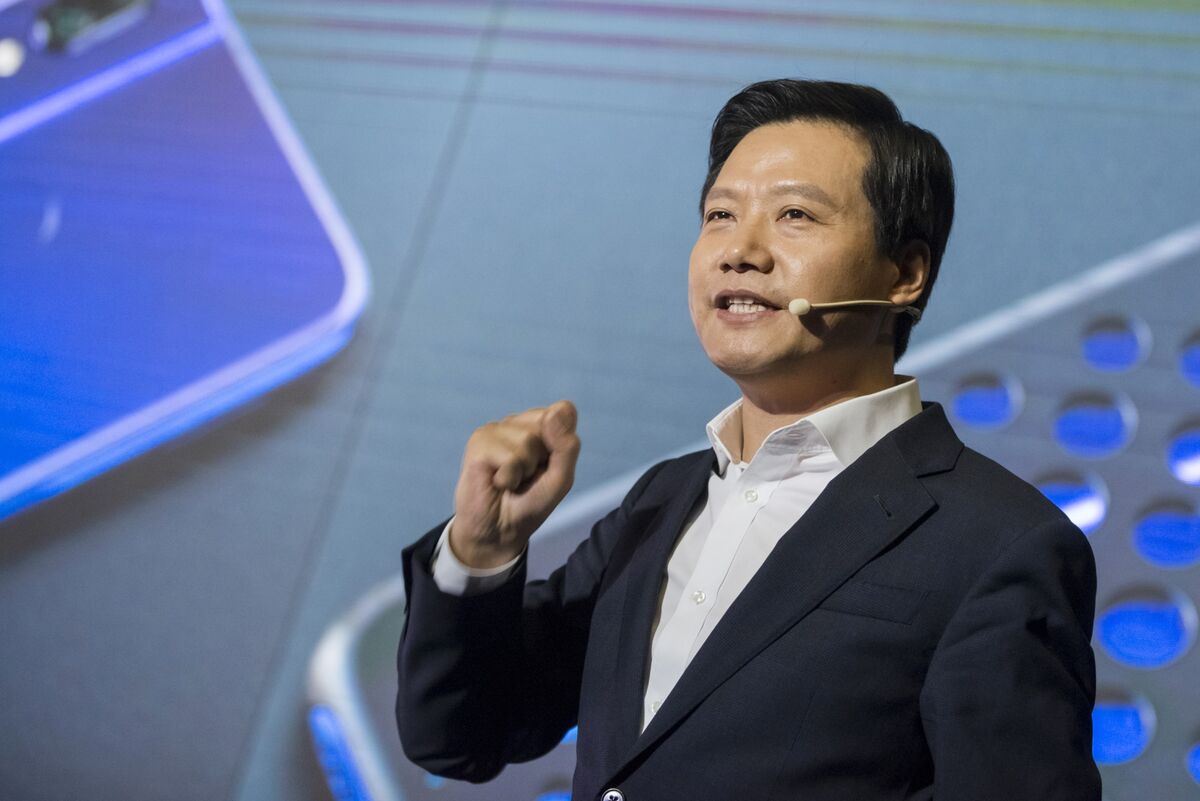
Xiaomi founder Lei Jun bought about HK$100 million (~$12.9 million) of company stock, raising his stake to 23.26%, after shares had slid more than 30% from their July peak. The disclosure sparked a 4.4% one-day rally — the largest in two months — and analysts say the founder-led purchase (rather than a corporate buyback) is intended to bolster sentiment and help cap further downside for the smartphone maker.
Market structure: The immediate winner is sentiment-sensitive long holders and short-covering liquidity providers; downside pressure on stock-specific shorts is likely to compress in the next 1–4 weeks while broader smartphone suppliers with weaker ROIC will face relative outflows. Competitive dynamics shift minimally on fundamentals but improve perceived downside protection, increasing the company’s effective bargaining power with retail investors and potentially reducing risk premia by ~100–200bp if the sentiment shift persists. Supply/demand: orderflow now tilts toward buy-side stop-loss unwinds and dealer inventory replenishment; expect reduced new-sell volume for 2–6 weeks unless fresh negative catalysts arrive. Cross-asset: small compression in credit spreads for the issuer’s bonds is possible (<10–20bp), implied equity vols should drop 5–15% near term, and HKD/USDCNH moves are likely immaterial absent macro shocks.
Risk assessment: Tail risks include regulatory action, an unrelated founder liquidity need forcing future sales, or a quarterly miss that negates sentiment — each could trigger 15–40% downside tail events. Time horizons diverge: days–weeks dominated by flow and volatility contraction, months hinge on product cycle and earnings (1–3 quarters), while structural outcomes (market share) resolve over 4–12 quarters. Hidden dependencies include margin impact from component cost inflation and channel inventory normalization; semiconductor supply swings could amplify results. Catalysts to watch: next earnings release, official guidance changes, announced corporate buyback or additional insider accumulations within 30–90 days.
Trade implications: For directional exposure, favor a modest long sized to sentiment—establish 2–3% portfolio long in 1810.HK, add to position on a 10–15% drop, target 20–40% upside over 6–12 months, stop-loss at 12%. Options: enter a 3–6 month call-debit spread (buy 1x 15% near-OTM call, sell 1x 35% OTM call) to cap premium and capture mean reversion if vols fall 5–12%. Pair trade: long 1810.HK (2%) vs short 002475.SZ (Luxshare, 1.5%) for 3–6 months to play issuer-specific sentiment vs supply-chain cyclicality. Rotate modestly into Asia consumer tech and away from lower-ROIC components if overall revenues fail to re-accelerate by next quarter.
Contrarian angles: Consensus assumes this limits downside permanently, but without improving unit economics gains may be transient — look for margin expansion proof within two quarters before materially increasing exposure. Reaction may be underdone if institutions follow with formal buybacks or if insider buys trigger index rebalancing flows; conversely it’s overdone if this was purely PR-driven and selling resumes. Historical founder buys in HK tech show 1–3 month outperformance that often fades by 2–3 months absent earnings upside, so require fundamental catalysts before extrapolating. Unintended consequence: visible insider accumulation can attract activist attention or create liquidity traps for future corporate actions, raising governance risk over 6–12 months.
AI-powered research, real-time alerts, and portfolio analytics for institutional investors.
Request DemoOverall Sentiment
moderately positive
Sentiment Score
0.40
