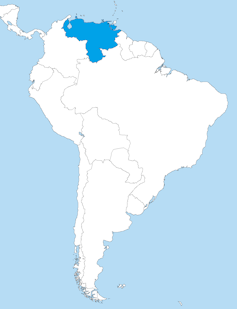
US special forces have removed Venezuelan President Nicolás Maduro and President Trump stated the United States will “run” Venezuela and its oil resources, with US firms poised to invest billions to repair its oil infrastructure. Venezuela holds an estimated 303 billion barrels (≈20% of global reserves), and US control or influence could materially alter oil supply dynamics, sanctions exposure and regional geopolitics. Realization of these economic opportunities is highly uncertain given decades of nationalisation, sanctions, reliance on China, and political resistance, creating both significant upside for energy investors and major execution and geopolitical risks.
Market structure: A US takeover of Venezuelan oil would disproportionately benefit oilfield services (SLB, HAL, BKR) and US majors (XOM, CVX) that can deploy capital and crews quickly, while hurting Russian/Chinese-linked suppliers and existing PDVSA creditors. If re‑investment restores 0.5–1.5 mbpd over 12–36 months, downward pressure could cap Brent upside by 5–15% vs. current forward curve; conversely, short‑term disruption of 0.2–0.6 mbpd could spike prices 5–15% in days–weeks. Cross‑asset: expect near‑term USD safe‑haven flows (UUP), tightening in US Treasuries (yields down 10–30bp), wider EM sovereign spreads (EMB +50–200bp), and rising marine/insurer costs for shipping.
Risk assessment: Tail risks include protracted insurgency, PDVSA legal claims, Chinese/Russian economic retaliation, or OPEC supply cuts; any of these can delay production recovery by years. Time horizons split: immediate (days) = volatility and risk‑off; short (weeks–months) = sanction waivers/contract awards; long (quarters–years) = capex-led production increases. Hidden dependencies: skilled personnel, spare parts, and insurance capacity are binding — a capex pledge alone won’t yield barrels without ~12–36 months of logistics. Catalysts: formal US sanction waivers, OPEC response, and multinational contract awards will accelerate market repricing.
Trade implications: Favor Energy Equipment & Services (buy SLB/HAL, OIH) and selectively overweight majors if legal safe harbors appear; size initial structural energy services exposure 2–5% with add‑on triggers at contract confirmations. Use tactical volatility trades: 30–90 day WTI call spreads (1–2% notional) to capture short squeezes and 6–12 month Brent put spreads to hedge long bets if restoration materializes. Reduce EM sovereign high‑yield credit exposure and underweight Latin America equity ETFs until sanctions/legal clarity (3–6 months).
Contrarian angles: Consensus assumes rapid, orderly US investment and quick lift in Venezuelan output — history (Iraq 2003) shows reconstruction often takes years and output can lag promises. Markets may be overpaying for a quick supply fix; services are priced for an aggressive ramp and could disappoint if security/logistics drag. Unintended outcomes include protracted litigation over PDVSA assets, multi‑party ownership disputes, and regional geopolitical escalation that keeps a structural premium on oil volatility rather than lower prices.
AI-powered research, real-time alerts, and portfolio analytics for institutional investors.
Request DemoOverall Sentiment
mildly positive
Sentiment Score
0.15
Ticker Sentiment
