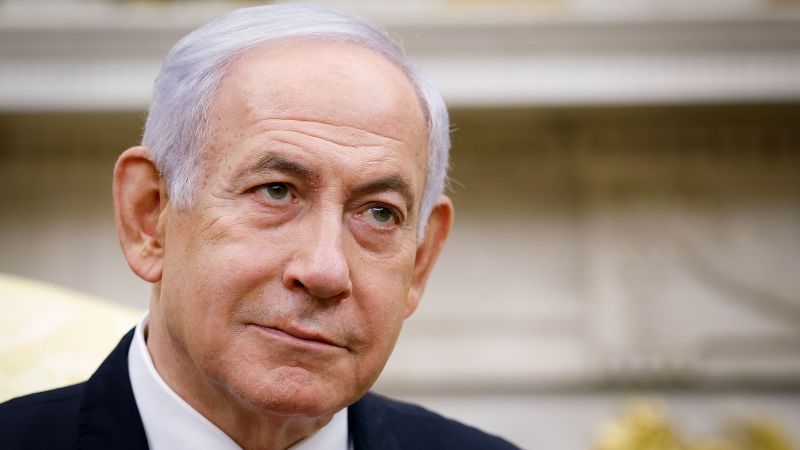
Prime Minister Netanyahu has signaled a notable shift in Israel's war objectives, now prioritizing the return of hostages, a change emerging after recent military operations against Iran and amid increased US pressure for a ceasefire. This pivot is driving intensified diplomatic efforts, including a US-backed proposal for a 60-day truce and prisoner exchange, with Israel's military reportedly now favoring a diplomatic resolution despite ongoing Gaza operations. This development suggests a potential path towards de-escalation, impacting regional geopolitical risk and market outlook.
A significant rhetorical shift from Israeli Prime Minister Netanyahu, prioritizing the return of hostages over the complete defeat of Hamas, signals a potential pathway toward de-escalation in the Gaza conflict. This change, described as following a 'victory' in operations against Iran, is occurring amid intensified US pressure for a ceasefire and a new US-backed proposal for a 60-day truce and hostage exchange. Crucially, Israel's military leadership now reportedly recommends pursuing a diplomatic path, adding weight to the potential for a deal. However, significant hurdles remain, as Hamas continues to demand guarantees of a permanent end to hostilities, a condition Israel has previously rejected. While ongoing Israeli military operations and high casualty counts in Gaza underscore the fragility of the situation, the convergence of external pressure, a potential strategic pivot by Netanyahu, and a shift in military recommendations creates a cautiously optimistic outlook for a negotiated settlement, which would have material implications for regional geopolitical risk.
AI-powered research, real-time alerts, and portfolio analytics for institutional investors.
Request DemoOverall Sentiment
mildly positive
Sentiment Score
0.25
