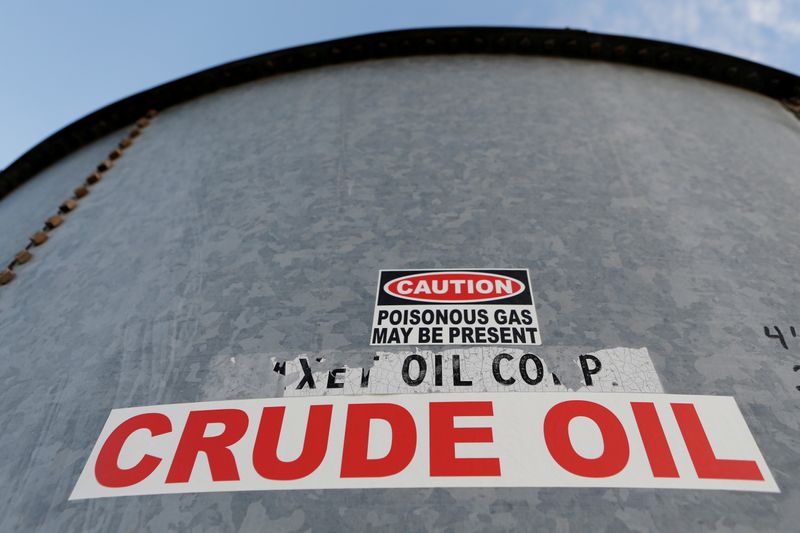
Shares of Sky Quarry jumped 120% after Brent crude settled around $112/bbl amid Middle East conflict that has effectively closed the Strait of Hormuz to most commercial traffic. Sky Quarry operates Nevada’s only refinery, the Foreland (≈5,000 bpd permitted) and is engaging local suppliers to boost feedstock; Nevada consumes >300,000 bpd and nearly all fuels are imported from neighboring states. California refinery removals — Phillips 66 Wilmington ceasing crude processing end-2025 and Valero Benicia closing by mid-2026 — remove roughly 290,000 bpd of regional capacity, increasing strategic value for Foreland. The company also owns PR Spring in eastern Utah with an estimated 180 million barrels of asphaltic bitumen ore.
The market is pricing a regional-refining premium into SKYQ that assumes sustained West Coast tightness and rapid feedstock access — a high-leverage, low-capacity bet. A 5,000 bpd asset cannot materially alter Nevada supply absent either outsized crack spreads (which must persist for months) or a corporate event (asset sale, JV, or expedited ramp), so equity upside is binary and event-driven rather than a smooth earnings delta.
Second-order winners include short-haul logistics (rail/terminal operators servicing intra-regional moves) and middle-distillate traders able to capture PADD5-wide rack dislocations; losers are large, centrally-optimized refiners that lose margin capture in localized outages but may see consolidated throughput efficiencies offset losses. Over 3–12 months, expect widened regional diesel/ULSD spreads vs Gulf benchmarks if refinery closures in California are prolonged, but those spreads will compress quickly if a) California demand softens seasonally, b) incremental trucking or pipeline capacity is reallocated, or c) crude prices fall below the level that justifies hauling heavy/low-API crudes into Nevada.
Key tail risks: permit/environmental delays, inability to secure economical crude differentials for PR Spring bitumen (heavy differentials can swamp margins), and rapid geopolitical détente or SPR releases that reduce Brent from $110 to sub-$95 within 30–90 days. Practically, any investment here is a short-dated, binary call on sustained West Coast refining tightness and an operational/path-to-scale announcement from SKYQ within 6–12 months.
AI-powered research, real-time alerts, and portfolio analytics for institutional investors.
Request DemoOverall Sentiment
strongly positive
Sentiment Score
0.70
Ticker Sentiment
