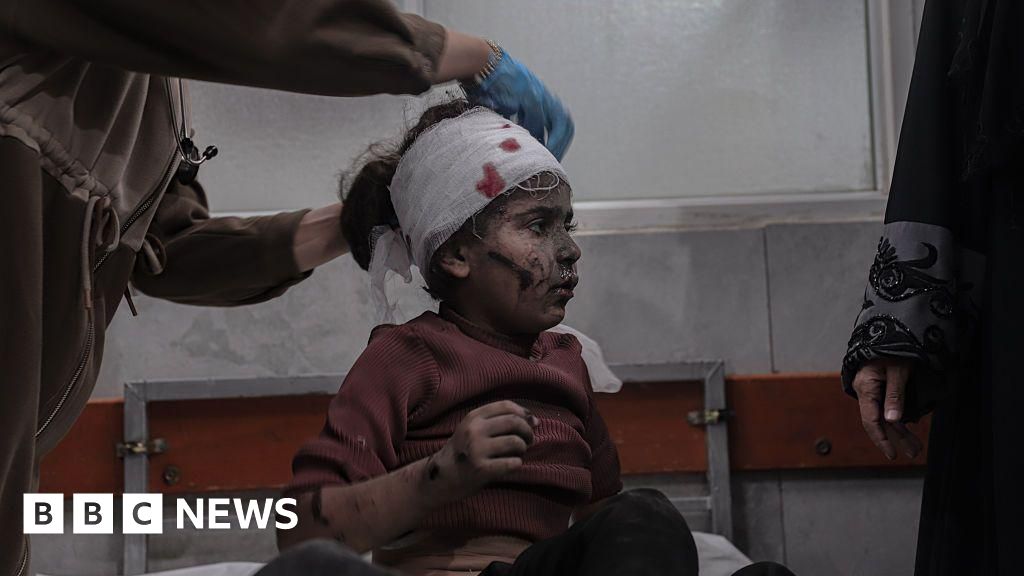
Israeli air, drone and artillery strikes across the Gaza Strip on Wednesday killed at least 25 Palestinians, including a strike on a religious endowments ministry building in eastern Zeitoun and strikes in Khan Younis and Gaza City that the IDF says were retaliation after gunmen fired toward Israeli soldiers; Hamas denies the claim and called the strikes a “dangerous escalation” that could jeopardize the fragile five-week ceasefire. The violence comes after the UN Security Council endorsed a U.S.-backed plan to create a transitional Board of Peace and an international stabilization force to demilitarize Gaza, underscoring disagreements over disarmament and compliance that leave the truce vulnerable. Israel also struck targets in southern Lebanon attributed to Hezbollah, highlighting the risk of wider regional escalation and renewed volatility in security conditions that could affect investor risk premia in the region.
Israeli air, drone and artillery strikes across the Gaza Strip on Wednesday killed at least 25 Palestinians, including ten casualties when a ministry of religious endowments building in eastern Zeitoun was hit and another cluster of at least 13 deaths in Khan Younis; a drone strike at Shejaiya junction and a tank shell on a house in Mushtaha Street were also reported. The Israel Defense Forces said the strikes were in response to gunmen firing toward an area where its soldiers were operating in Khan Younis, a claimed ceasefire violation that Hamas denies while calling the attacks a "dangerous escalation." The incident is one of the deadliest days since the ceasefire took effect five weeks ago and follows UN Security Council endorsement of a U.S.-backed plan to create a Board of Peace and a temporary International Stabilisation Force to demilitarize Gaza.
The broader political dynamic remains unsettled: the UN resolution empowers a transitional governance body to pursue demilitarization chaired by President Trump, while Hamas insists it will not disarm without a Palestinian state and Israel says it will press on until the threat is removed. A U.S. official told Reuters that Hamas aims to break the truce, undercutting confidence in compliance mechanisms. The article also notes Israeli strikes in southern Lebanon attributed to Hezbollah weapons sites, signalling elevated risk of regional spillover.
Market implications are negative and risk-off: the supplied sentiment score is strongly negative (-0.7) with a moderate market impact score (0.48), implying higher risk premia and potential volatility for assets exposed to Levant stability. Investors should monitor ceasefire compliance metrics, further military exchanges and UN/Board of Peace progress as near-term catalysts that would influence asset repricing and capital flows in the region.
AI-powered research, real-time alerts, and portfolio analytics for institutional investors.
Request DemoOverall Sentiment
strongly negative
Sentiment Score
-0.70
Ticker Sentiment
