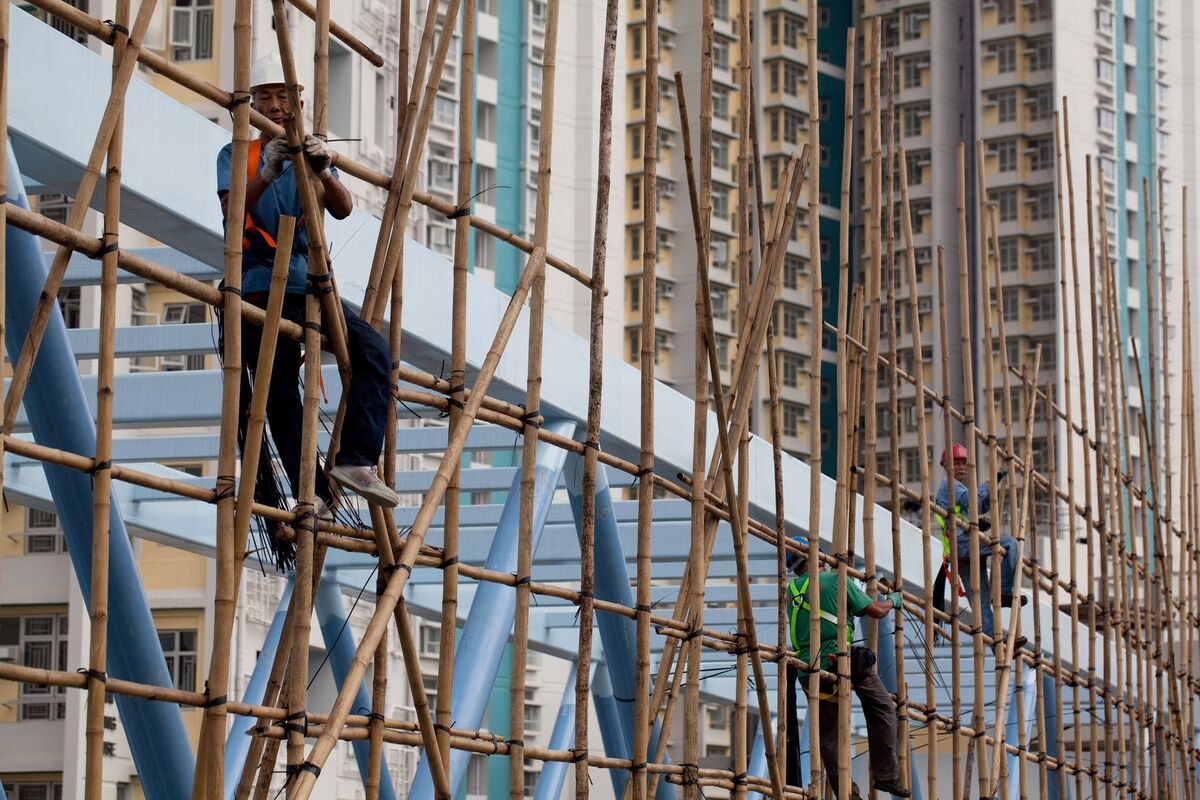
A recent deadly fire in Hong Kong that left at least 146 people dead has focused attention on the territory's widespread use of bamboo scaffolding, contrasting with mainland China's shift to metal frames. Bamboo scaffolding—cheaper, lighter and reliant on skilled local labor—has become an identity and safety issue, and the incident could spur regulatory scrutiny, retrofitting costs and changes in construction/maintenance practices for building owners and contractors in Hong Kong.
Market structure: A forced migration from bamboo to metal scaffolding shifts demand toward steel/aluminum tube producers, rental fleets, and certified metal-scaffold installers while hammering bamboo suppliers, local scaffold carpentry services and older small-cap HK property owners who face retrofit bills. I estimate incremental metal-tube demand in Hong Kong could rise 10–30% over 12–24 months if authorities mandate replacements for high-risk stock, improving pricing power for metal-tube manufacturers and rental margins for certified contractors.
Risk assessment: Tail risks include a rapid regulatory ban on bamboo (high-impact, days–weeks) that triggers immediate retrofit orders and cost shocks to landlords, or broad litigation/insurance claims that strain P&C carriers (weeks–months). Hidden dependencies: labor displacement could slow retrofits (skilled scaffolders are a bottleneck), and supply-chain constraints (steel tube lead times, domestic vs. mainland suppliers) could push prices +15–40% in the near term.
Trade implications: Primary plays are long Chinese/EM steel producers and scaffold-equipment makers and short vulnerable HK property names with old façades; use 3–9 month option structures to capture volatility. Cross-asset: expect temporary widening of HK property credit spreads and negative pressure on EWH/HK REITs; consider hedging FX via USD/HKD pairs if risk-off lifts USD and weakens HK equities.
Contrarian angles: Consensus focuses on symbolism and safety; it underestimates implementation friction — retrofit demand may be front-loaded but then normalize, creating a 6–18 month window of excess profits for suppliers. Historical parallels (post-disaster building-code upgrades) show fast vendor wins but longer-term normalization; beware overpaying for cyclical metal names and plan exits after 20–40% realized gains.
AI-powered research, real-time alerts, and portfolio analytics for institutional investors.
Request DemoOverall Sentiment
moderately negative
Sentiment Score
-0.35
