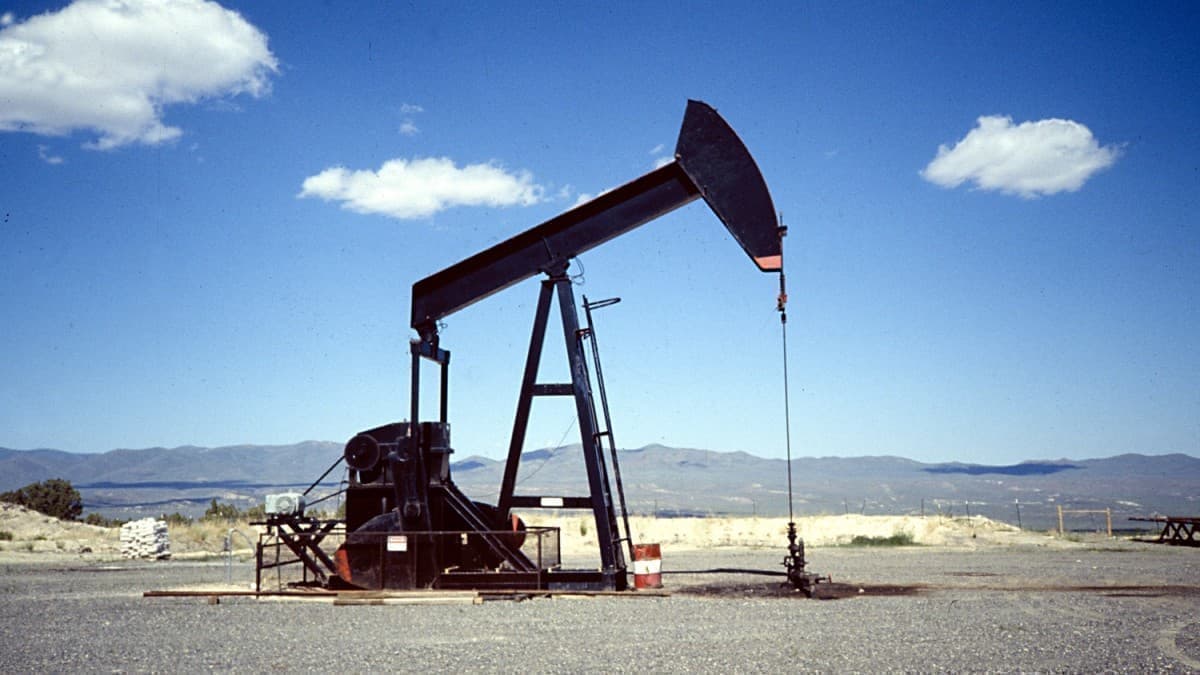
Brent is trading above $100/bbl and WTI above $90/bbl, yet only 21% of drillers plan to significantly increase drilling despite shale breakevens of ~$62–$70/bbl per the Dallas Fed survey. Oil and gas executives cite war-related uncertainty, Strait of Hormuz closure risks and volatile policy messaging as reasons to delay capex and prioritize balance-sheet repair. LNG spot prices have spiked to roughly $24/mmBtu (vs $9/mmBtu under long-term contracts), prompting about a dozen U.S. cargoes to divert from Europe to Asia and raising near-term demand-destruction and supply-allocation risks. Expect sector-level volatility and constrained near-term supply response as producers remain cautious.
Majors will likely behave like optionality-preserving firms: capex deferral is now a rational response to heightened geopolitical noise, which compresses near-term growth but mechanically boosts free cash flow and buybacks over 6–18 months. That means a two-speed market where integrateds can deliver steady cash returns while smaller, high-beta producers remain hostage to sentiment and daily headline volatility.
The LNG market is demonstrating that structural price shocks create demand substitution pathways quickly — coal and cargo re-routing are the shock absorbers — so count on regional dislocations persisting for weeks to months even if headline tensions ease. Counterparty and logistics risk (diverted cargoes, payment disputes, rerouting costs) will show up in quarterly results before production metrics do, making short-dated cashflow the leading indicator.
Second-order: persistent drilling restraint by independents creates a production-growth cliff 6–24 months out that is asymmetric to the upside for prices if the conflict endures; meanwhile, short-term volatility increases political pressure for tactical SPR releases or diplomatic interventions that can compress elevated prices within 30–90 days. The immediate path is dominated by headlines; the medium-term by corporate capital-allocation choices that are now more valuable than incremental barrels produced this year.
AI-powered research, real-time alerts, and portfolio analytics for institutional investors.
Overall Sentiment
mildly negative
Sentiment Score
-0.25
Ticker Sentiment
