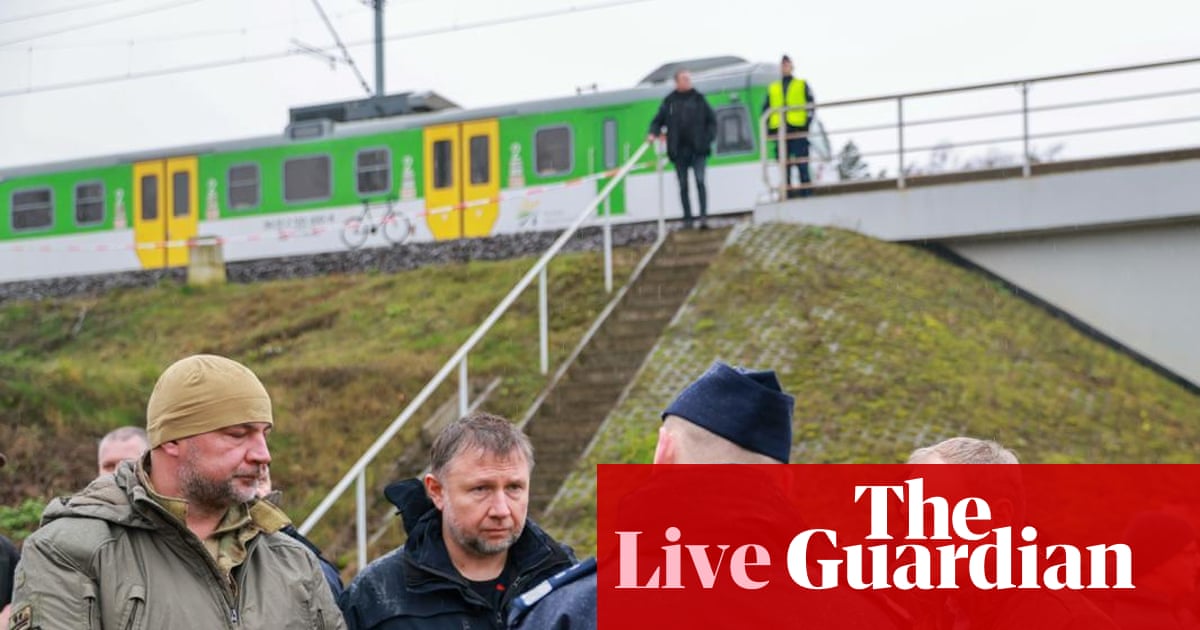
Polish authorities say evidence points to Russian intelligence as the initiator of weekend rail sabotage incidents, with prosecutors opening an investigation into acts of a terrorist nature and officials reporting a device found near a blast that may have been used to monitor the scene; the government has convened its national security committee and is keeping operational details confidential. Ministers framed the attacks as part of a broader campaign of hybrid threats against Europe—targeting critical infrastructure and using disinformation—while the incidents coincide with domestic political unrest in the region, including mass protests in the Czech Republic and Slovakia against populist, pro‑Russian leaders. For investors, the developments raise near‑term geopolitical and security risks in Central Europe that could prompt higher risk premia, tighter infrastructure security measures and renewed diplomatic or economic responses toward Russia.
Polish officials, including the security services minister’s spokesperson and the deputy prime minister/defence minister, have stated that “everything indicates” Russian intelligence initiated weekend rail sabotage incidents; public prosecutors opened an investigation into acts of a terrorist nature and investigators report a device found near a blast that may have been intended to observe the scene, while the government has convened its national security committee and is keeping operational details confidential. Authorities framed the events as part of a broader pattern of hybrid threats to Europe—disinformation campaigns and targeted attacks on critical infrastructure—highlighting official concern about escalation short of open war.
The incidents coincide with heightened domestic political tension in the region: mass protests in the Czech Republic and Slovakia against populist, pro‑Russian leaders (Andrej Babiš and Robert Fico) and diplomatic activity involving senior leaders (Macron, Merz, Starmer and Zelenskyy) are all in motion, increasing the risk of rapid policy responses. The article notes Fico’s repeated meetings with Putin since 2022, underlining why Western governments may treat these attacks as strategically significant.
For markets, the immediate implication is a moderate risk‑off impulse for Central European assets and sectors tied to transportation, logistics and infrastructure, and potential upward pressure on security, defence and insurance costs should governments tighten protections or consider retaliatory measures; the investigation’s confidentiality means concrete policy or sanction outcomes remain uncertain and require monitoring.
AI-powered research, real-time alerts, and portfolio analytics for institutional investors.
Request DemoOverall Sentiment
moderately negative
Sentiment Score
-0.55
