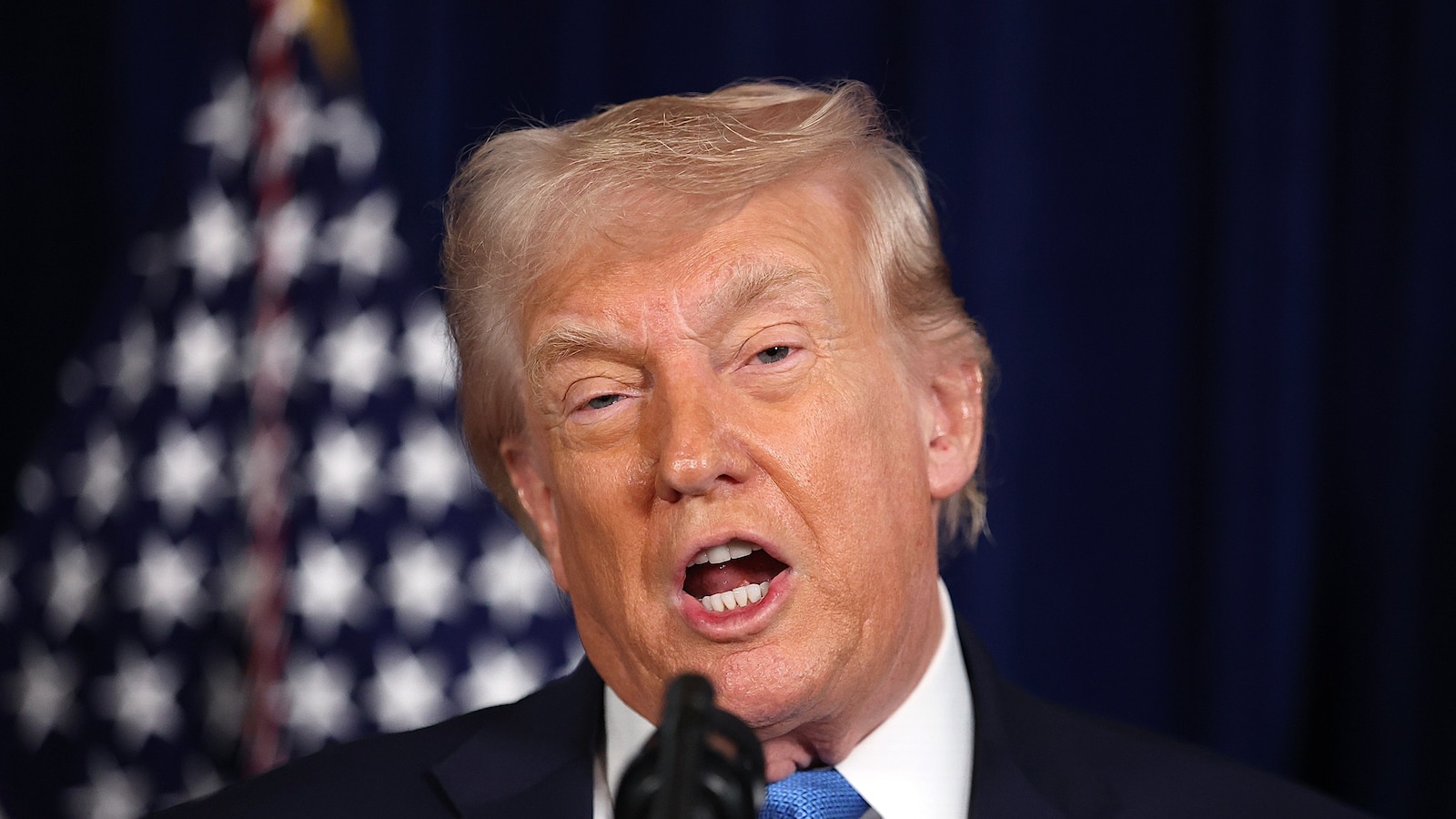
President Trump ordered a military strike in Venezuela and the capture of President Nicolás Maduro, then publicly announced plans for the U.S. to 'run' Venezuela temporarily — potentially with troops on the ground — and to engage U.S. oil companies to rebuild and exploit the country's oil infrastructure, with costs ostensibly covered by those companies. The administration says diplomatic engagement with remnants of the Venezuelan government will continue while an oil embargo remains in effect; the move has drawn condemnation from Russia and allies and creates significant geopolitical and energy-market risk for emerging‑market assets, oil supply dynamics, and defense-related exposures.
Market structure: Short-term winners are oil and defense risk-premium plays (WTI/Brent +5–15% likely in days-weeks on escalation); integrated majors (XOM, CVX) and complex refiners (VLO, MPC) capture pricing power if heavy Venezuelan crude flows but only after months–years of CAPEX. Losers: Venezuelan sovereign creditors, EM local-currency holders, and regional banks/sovereign debt facing sanctions and FX stress. The competitive dynamic shifts toward majors with logistical/engineering scale and Western service firms (SLB, HAL) able to rebuild wells; independents and small E&Ps lack scale to compete for restoration contracts.
Risk assessment: Tail risks include wider regional escalation (Russia/Cuba proxy support) or prolonged insurgency that destroys infrastructure — a 10–30% swing in oil within 1–3 months is plausible; longer-term tail is legal/claim litigation that frees assets slowly, depressing oil prices by 5–15% over 1–3 years if US facilitates large-scale extraction. Hidden dependencies: operational timeline hinges on security, insurance, and sanction waivers; a single sabotage event could keep Venezuelan barrels offline for 6–24 months. Catalysts to monitor in the next 7–90 days: formal troop commitments, lifting/alteration of oil embargo, and OPEC+ output decisions.
Trade implications: Tactical (0–3 months) favors long oil volatility: buy 1–3 month XLE/USO call spreads sized 1–3% portfolio to capture risk-premium; medium (3–18 months) favors selective longs in XOM/CVX and refiners (VLO, MPC) while shorting EM sovereign ETFs (EMB inverse or CDS protection) sized 1–2% as a hedge. Buy defense exposure (RTX, LMT) via 6–12 month calls or equity positions (1–2%) to capture spending/replacement demand; hedge with GLD (0.5–1%) and TLT (1–2%) if VIX spikes above 25 or Brent > $100.
Contrarian view: Consensus expects sustained oil upside; the market may be underestimating the medium-term deflationary effect of U.S.-enabled Venezuelan production once stabilization occurs — historical parallel: Iraq 2003 showed occupation doesn’t instantly unlock barrels. Overbought defensive names could lag; opportunistic short of small-cap E&Ps and EM local FX (BRL, COP) on rebounds has asymmetric payoff if political noise normalizes and U.S. extraction resumes over 12–36 months.
AI-powered research, real-time alerts, and portfolio analytics for institutional investors.
Request DemoOverall Sentiment
moderately negative
Sentiment Score
-0.45
