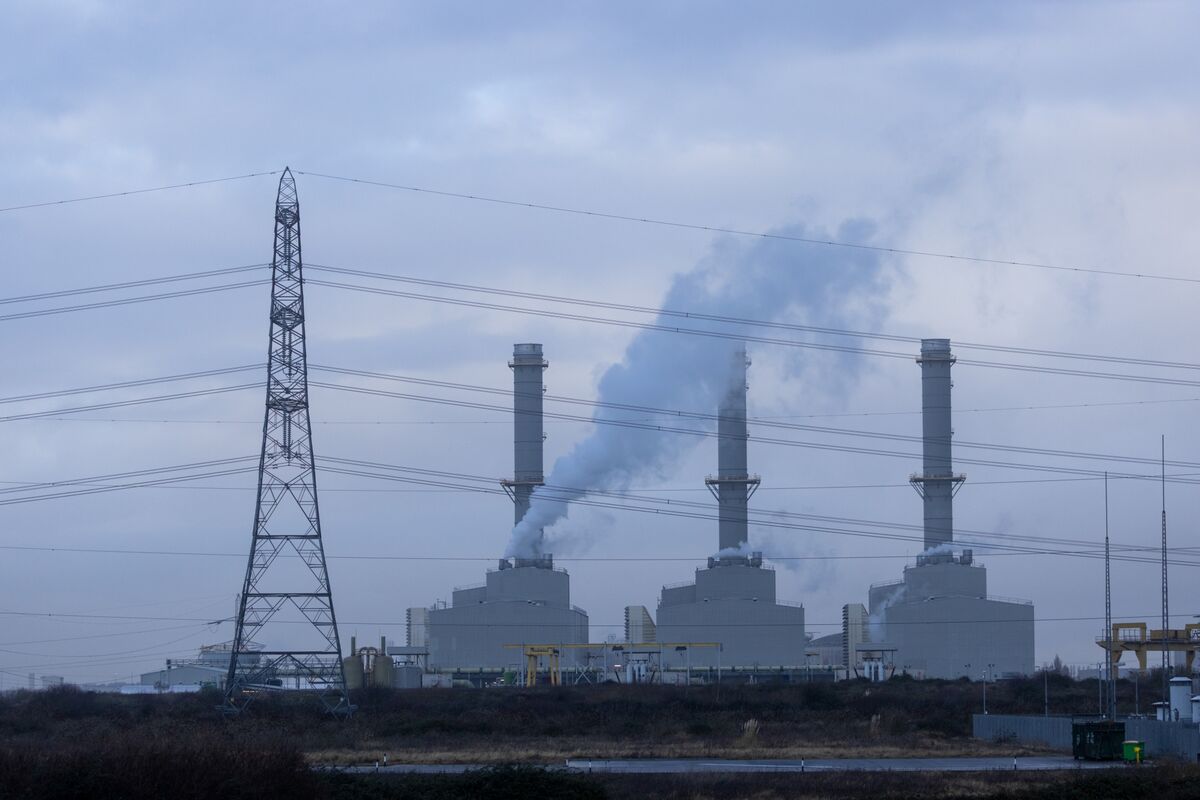
The UK is considering offering higher prices in forthcoming capacity auctions to incentivize investment in new gas-fired power plants. This move aims to secure essential backup power for grid stability, acknowledging that gas will remain crucial as an intermittent renewable energy backstop, even as the nation targets 95% low-carbon electricity generation by 2030.
The UK government is signaling a pragmatic shift in its energy transition strategy by considering higher prices to incentivize the construction of new gas-fired power plants. This proposed policy, to be implemented via forthcoming capacity auctions, directly addresses the critical challenge of grid stability posed by the intermittency of renewable energy sources. Despite a firm commitment to generating 95% of electricity from low-carbon sources by 2030, this move underscores the continued structural importance of natural gas as a necessary backstop fuel. By potentially offering higher guaranteed prices, the government aims to de-risk private investment in dispatchable power generation, ensuring supply during periods of low wind or solar output. This creates a clearer, dual-track future for the UK power market: one focused on renewable generation and another on high-value, flexible capacity provided by gas, which is essential for preventing blackouts and managing grid stress.
AI-powered research, real-time alerts, and portfolio analytics for institutional investors.
Request DemoOverall Sentiment
mildly positive
Sentiment Score
0.30
