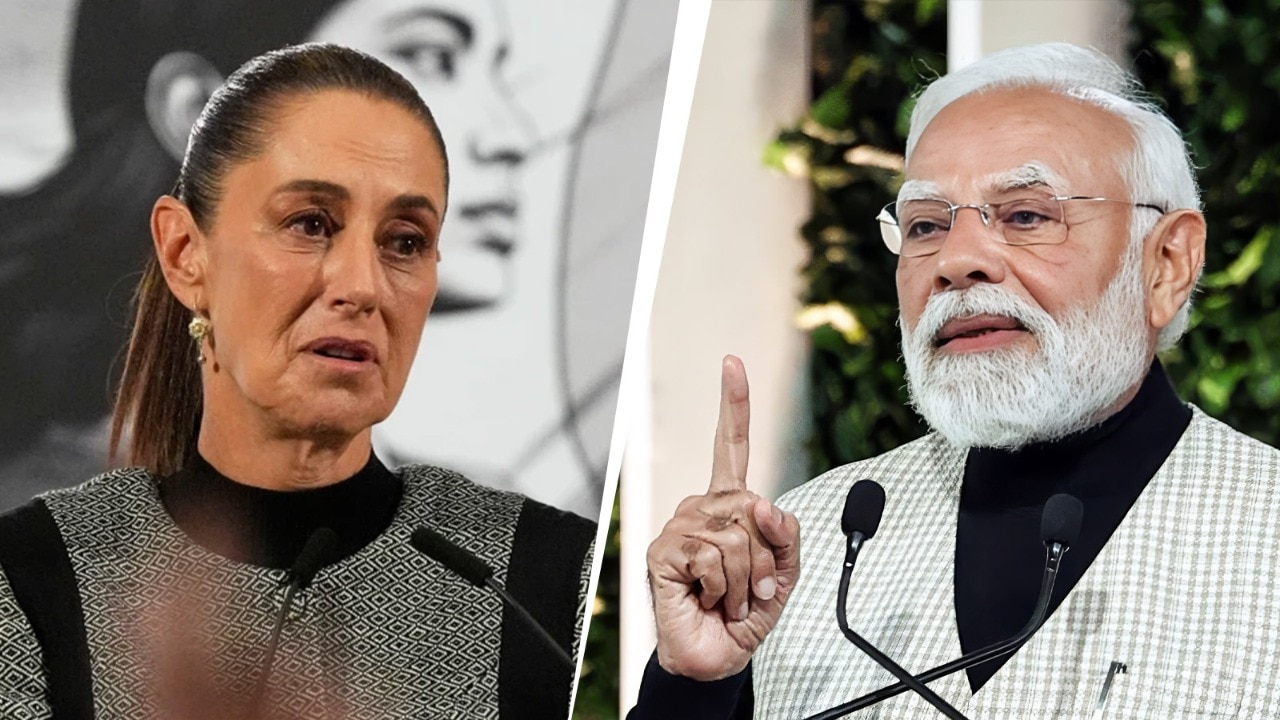
Mexico will impose tariffs of 5%–50% on more than 1,460 products from non-FTA countries from Jan. 1, 2026, a move designed to curb cheap Chinese imports, align with U.S. pressure, protect domestic jobs and raise roughly 70 billion pesos (~$3.75bn) annually. India is among the hardest-hit non-FTA partners: passenger car exports ($800m–$1bn) face a 50% tariff (up from 20%), auto parts ($600m–$700m) 25%–50%, iron and steel (~$900m) 35%–40%, textiles/apparel/footwear ($500m–$600m) 30%–35% and chemicals/pharma (~$400m) 15%–30%, risking a 25%–40% fall in affected categories of the $8.9bn India-to-Mexico trade in 2024 and pushing New Delhi to seek a fast-tracked FTA or partial carve-outs. Short-term winners are Mexican steel, textile and certain auto-parts producers, the federal budget and U.S. geopolitical aims; losers include Indian and Chinese exporters, other Asian suppliers, and Mexican consumers and manufacturers reliant on cheap inputs, suggesting supply-chain disruption, price inflation for consumers and incentives for onshore assembly or trade diversion.
Mexico will impose tariffs of 5%–50% on more than 1,460 products from non-FTA countries effective January 1, 2026, a policy the government says is designed to curb cheap Chinese imports, align with U.S. pressure ahead of a 2026 trade review, protect domestic jobs and raise roughly 70 billion pesos (~$3.75 billion) annually. The measure is explicitly targeted at non‑FTA suppliers and is presented as both a protectionist industrial policy and a fiscal revenue source.
India is one of the hardest‑hit non‑FTA partners after China: passenger vehicle exports to Mexico ($800m–$1bn) will face a 50% tariff (up from 20%), auto components ($600m–$700m) will face 25%–50%, iron and steel (~$900m) 35%–40%, textiles/apparel/footwear ($500m–$600m) 30%–35%, and chemicals/pharma (~$400m) 15%–30%. India exported $8.9bn to Mexico in 2024 and the article estimates a 25%–40% decline in affected categories; Indian lobbying failed and New Delhi is now seeking a fast‑tracked FTA or partial carve‑outs.
Short‑term winners are Mexico’s domestic steel, textile and certain auto‑parts producers and the federal budget, while losers include Indian and Chinese exporters, other Asian suppliers and Mexican consumers who will face higher prices. The policy creates incentives for on‑shoring, local assembly in Mexico or trade diversion, raises near‑term cost pressures for Mexican manufacturers dependent on cheap Asian inputs, and leaves outcomes contingent on diplomatic/FTA developments.
AI-powered research, real-time alerts, and portfolio analytics for institutional investors.
Request DemoOverall Sentiment
moderately negative
Sentiment Score
-0.50
