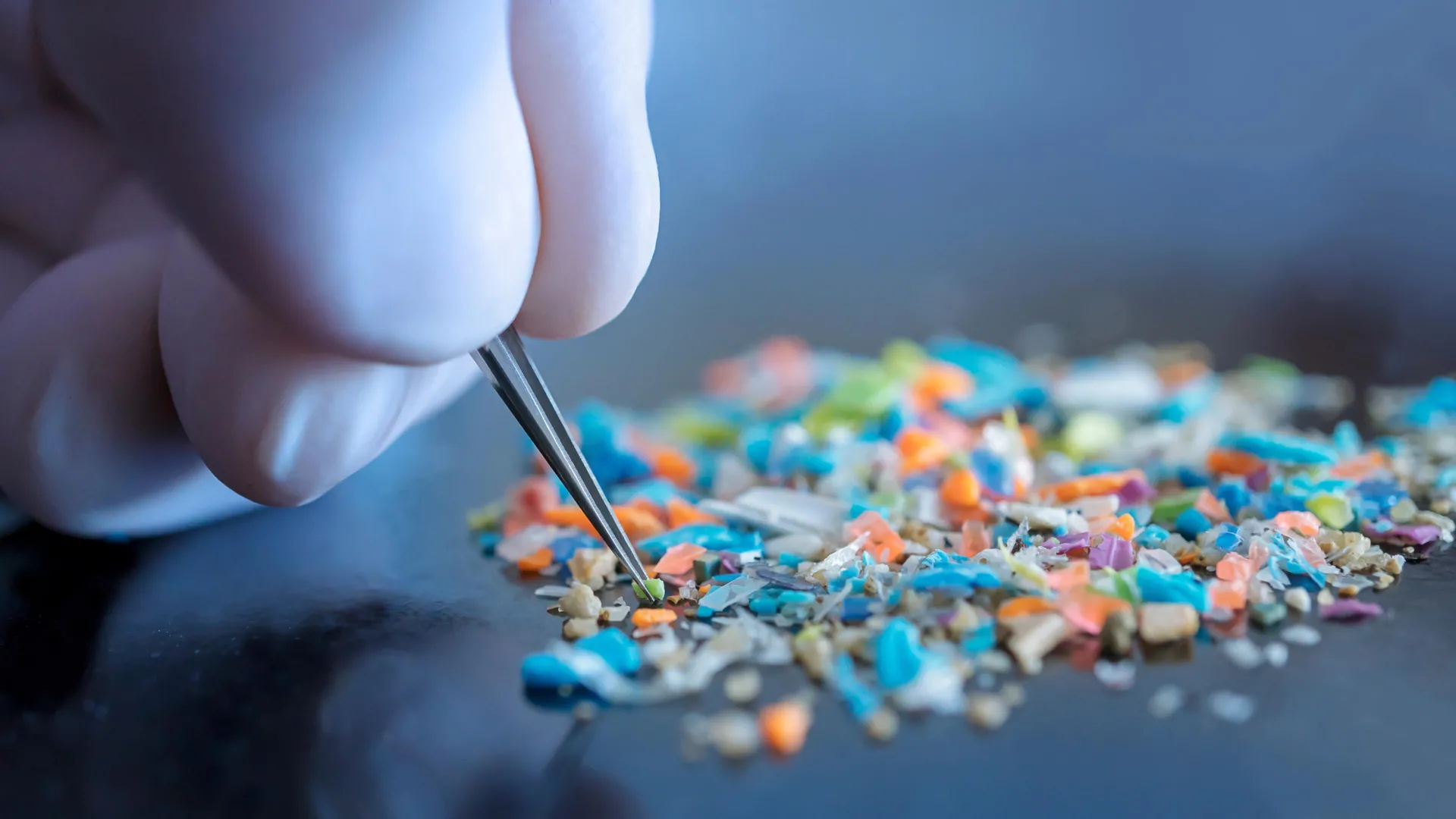
Researchers at the University of Michigan found that common nitrile and latex lab gloves can deposit stearate particles that closely mimic microplastics, producing roughly 2,000 false-positive signals per square millimeter and in some cases inflating counts by thousands-fold. The team recommends switching to cleanroom gloves (which release far fewer particles) and published analytical methods to separate true microplastics from glove-derived contamination, enabling potential reanalysis of affected datasets (Analytical Methods, DOI: 10.1039/D5AY01801C).
This finding creates an immediate, measurable demand shock for higher-specification consumables and revalidation services. If even 10–20% of active environmental labs and field teams switch from commodity nitrile to cleanroom-rated gloves and associated handling protocols, global consumables vendors could see a 3–7% uplift in glove/cleanroom revenue and a 6–12% rise in short‑cycle reagent and filter consumable orders over the next 3–12 months as customers rebuild validated supply chains.
Analytical instrument vendors stand to capture follow‑on spending: a wave of dataset re‑analyses and confirmatory testing disproportionately benefits companies with infrared/Raman and SEM tool portfolios plus service contracts. A conservative scenario — 5% of previous microplastic studies requiring follow‑up testing — would meaningfully lift instrument utilization and service backlog for 6–18 months, favoring firms with installed bases and rapid service footprints.
There’s a credibility shock for small testing labs and niche remediation startups that marketed based on high baseline prevalence numbers; expect contract renegotiations, delayed sales cycles, and potential write‑downs over the next 6–24 months as clients demand chain‑of‑custody and method audits. Regulatory noise is a wildcard: faster standardization could compress this uncertainty (positive for incumbents), while protracted disputes will favor larger, vertically integrated players who can underwrite re‑testing costs.
Contrarian take: the market will likely oscillate between “overstated problem” headlines and structural tightening of sampling standards. That flip‑flop creates a multi‑quarter alpha opportunity — buy durable instrument/supply franchises that win on standards adoption, and selectively avoid/short reputation‑sensitive testing boutiques that lack scale or chemistry expertise.
AI-powered research, real-time alerts, and portfolio analytics for institutional investors.
Request DemoOverall Sentiment
neutral
Sentiment Score
0.00
