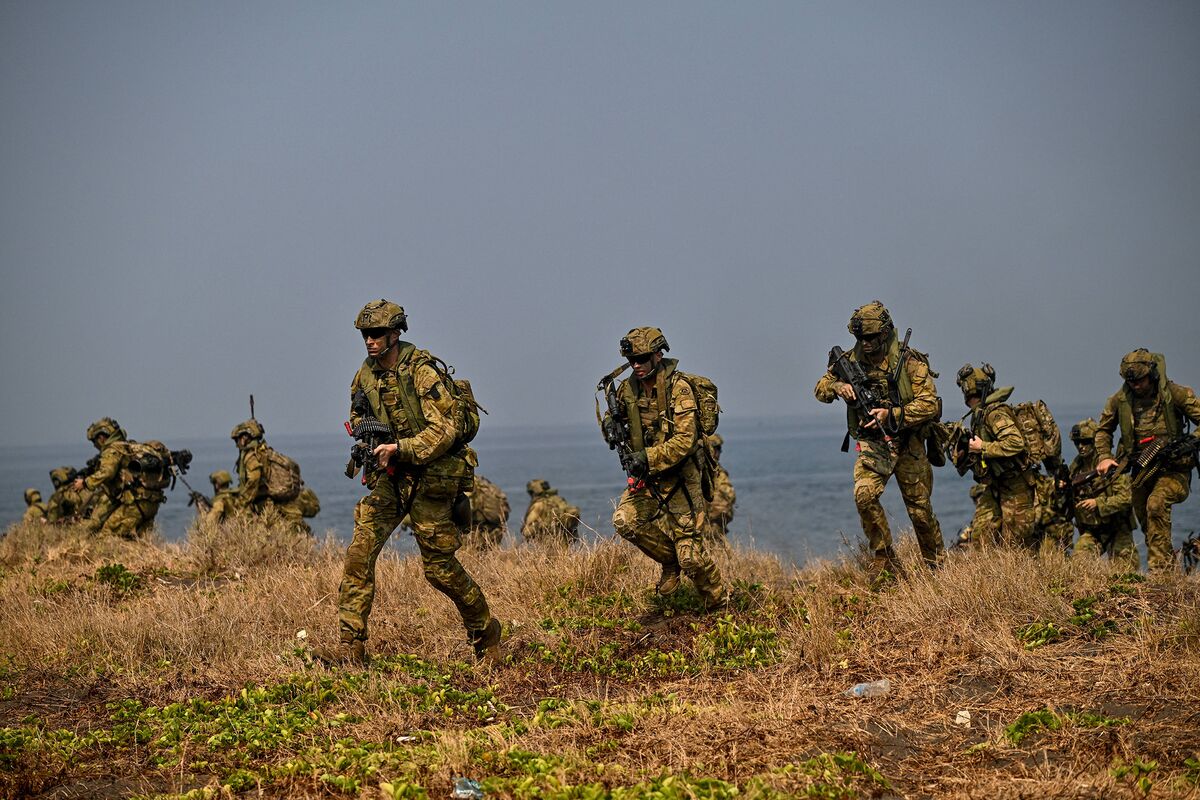
U.S. Secretary of Defense Pete Hegseth has requested Australia to increase its defense spending to 3.5% of GDP, according to an official readout of his meeting with Australia’s Defence Minister Richard Marles. The request was made on the sidelines of the Shangri-La Dialogue in Singapore. Minister Marles acknowledged the request, indicating potential shifts in Australia's fiscal priorities and defense strategy.
The United States has formally urged Australia to elevate its defense spending to 3.5% of Gross Domestic Product 'as soon as possible,' a directive delivered by US Secretary of Defense Pete Hegseth to Australian Defence Minister Richard Marles during the Shangri-La Dialogue in Singapore. Minister Marles's acknowledgment of this request, described as having been made in a 'respectful and dignified way,' indicates that a significant increase in Canberra's military outlays is under serious consideration. Such a policy shift would necessitate a substantial reallocation of Australia's fiscal resources, potentially heralding increased investment in its defense capabilities and creating notable ripple effects across related industries. This development underscores growing geopolitical pressures and could signal a more robust defense posture for Australia in the region.
AI-powered research, real-time alerts, and portfolio analytics for institutional investors.
Request DemoOverall Sentiment
neutral
Sentiment Score
0.00
