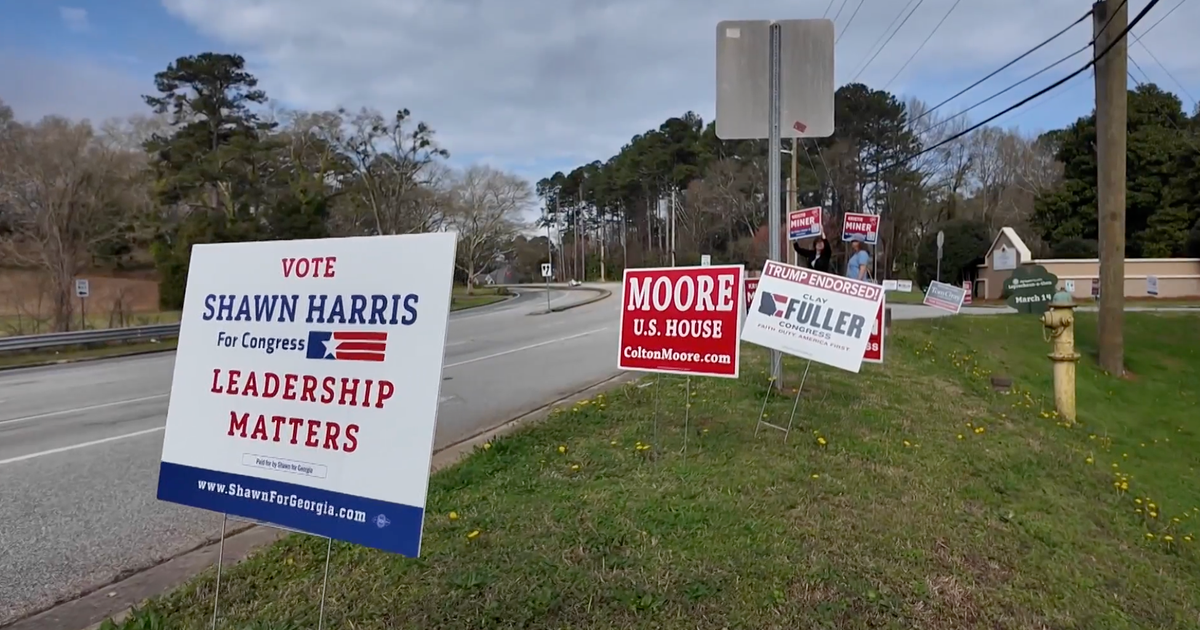
Clay Fuller won the Georgia 14th District runoff, giving House Republicans an additional seat and increasing their effective majority by one to a two-vote edge; he will serve the remainder of the term through January 2027. Fuller beat Democrat Shawn Harris by under 12 percentage points, a roughly 25-point swing versus President Trump's 37-point margin in 2024 and the largest swing in a House special election during Trump's second term. The result modestly improves GOP prospects for advancing legislation but is unlikely to produce a material market reaction.
With the House margin effectively fragile, legislative outcomes will be driven by micro-coalition dynamics rather than broad party platforms; that raises the probability that votes will be decided by targeted concessions (earmarks, agency-specific waivers) rather than headline tax or entitlement rewrites. Expect a flurry of narrow, policy-specific riders in appropriations and oversight bills over the next 3–12 months as leadership trades small wins for yes-votes, which creates idiosyncratic sector risk and event-driven windows for active managers.
Policy priorities likely to see incremental progress (not wholesale change) include defense procurement, selective deregulatory moves for financial services, and targeted industrial-policy measures favoring domestic manufacturing. Second-order effects: defense primes could see predictable orderbook smoothing and visibility into FY budget patches, while rooftop renewables and capital-intensive green installers face permit and subsidy timing risk as appropriations jockeying introduces stop-start funding.
Market-level consequences will show up as episodic volatility around fiscal deadlines (continuing resolutions, debt-limit pushes) with the real-time funding cadence driving short-term curve moves. Practically, front-end yields and regional-bank net interest margins are the first-order tradeable levers in the next 1–6 months, whereas conviction trades on structural tax or regulatory shifts remain low-conviction and belong to a 12–36 month time horizon.
AI-powered research, real-time alerts, and portfolio analytics for institutional investors.
Overall Sentiment
neutral
Sentiment Score
0.05
