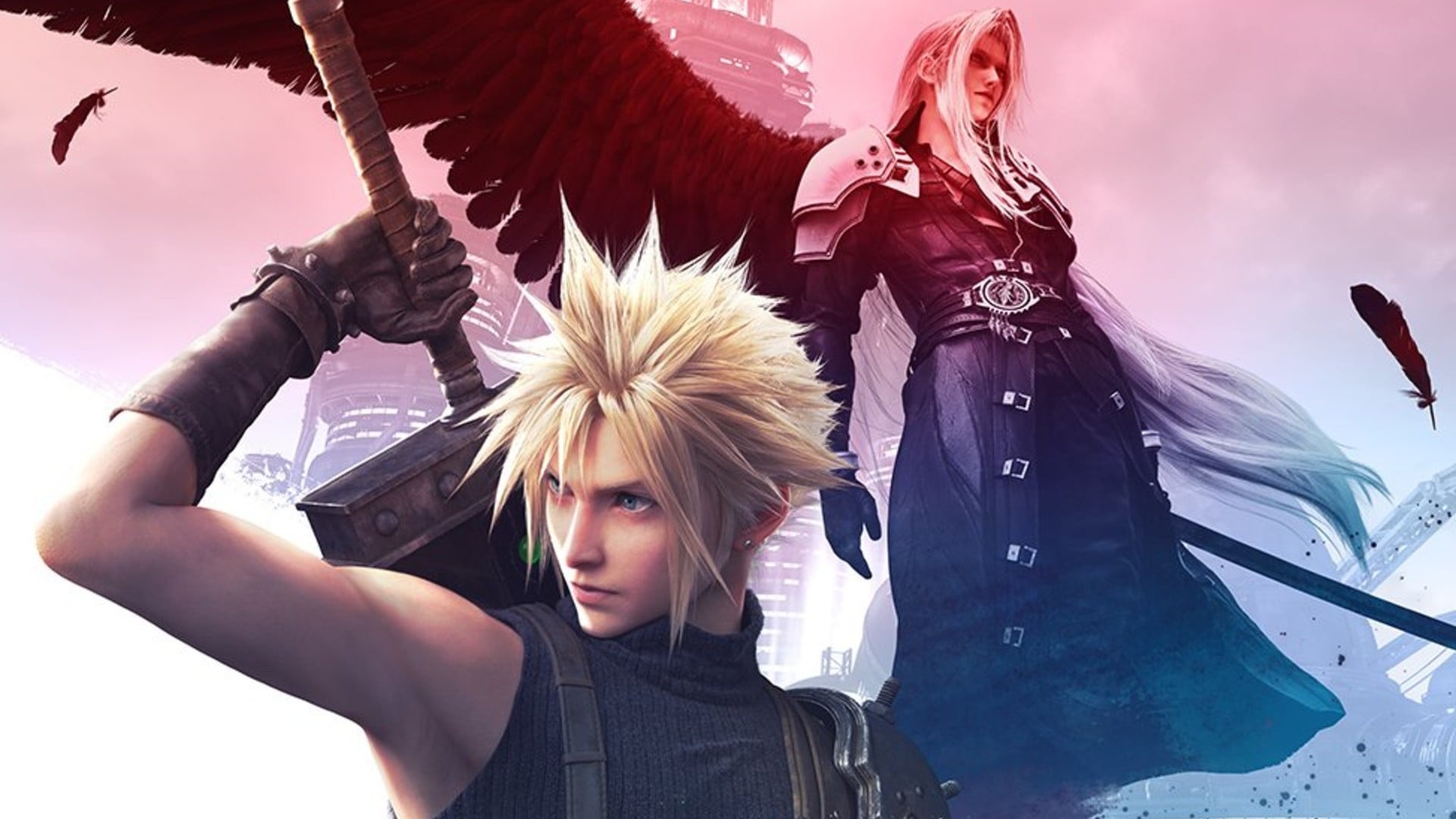
Square Enix has officially locked the title for the final installment of the Final Fantasy 7 Remake trilogy, with game director Naoki Hamaguchi confirming that Mr. Nomura made the final decision after Paris Games Week. The confirmation settles naming speculation (including the fan-favoured 'Reunion') and raises a minor brand-management consideration following the recent use of 'Reunion' in another Square Enix-published title, but contains no financial metrics or guidance likely to materially affect near-term investor valuations.
Market structure: This naming decision is a low-friction positive for Square Enix (9684.T / OTC:SQNXF) because it reduces branding ambiguity ahead of a multi-year product cycle; direct winners are IP owners (Square Enix) and licensees (merch/film partners), losers are marginal third-party remaster specialists who compete on nostalgia. Expect negligible immediate revenue shift but a potential re-rating when a release window or cross-media tie‑in is announced (10–30% upside scenarios within 6–18 months on confirmed dates).
Risk assessment: Tail risks include development delays, key-creator exits (Nomura dependency), and impairment of goodwill if the final game underperforms — model a 15–30% downside on a negative reception and potential 10–20% hit to operating margin from costly rework over 12–24 months. Near-term (days–weeks) market impact is muted; short-term (1–6 months) is driven by marketing cadence and pre-order volumes; long-term (1–3 years) depends on franchise monetization (games, merch, IP licensing). Hidden dependencies: FX (JPY moves) and Sony/Platform exclusivity deals could shift revenue mix; catalysts include E3/PlayStation showcases and a release date announcement.
Trade implications: Small, event-driven positions are warranted — long Square Enix exposure ahead of marketing catalysts, sized for binary outcomes; use capped option structures to limit downside. Consider pair trades against diversified publishers (e.g., long 9684.T vs short 9697.T) to isolate FF7 IP upside while hedging industry beta. Manage entries around public showcases (target windows: next 30–90 days) and scale into confirmed release-date signals.
Contrarian angles: The market underestimates the non-linear monetization of a locked FF7 finale (streaming, remasters, merch, microtransactions) — a conservative rollout could still deliver substantial back-catalog uplift; conversely, consensus may be over-optimistic about immediate cashflow, so avoid large outright leveraged positions until pre-orders/monetization metrics appear. Historical parallels: successful remakes (e.g., Resident Evil 2) showed ~20–40% re-rating on clear release cadence; unintended consequence: internal brand conflicts (duplicate 'Reunion' title) may force conservative marketing and delay upside realization.
AI-powered research, real-time alerts, and portfolio analytics for institutional investors.
Request DemoOverall Sentiment
neutral
Sentiment Score
0.05
