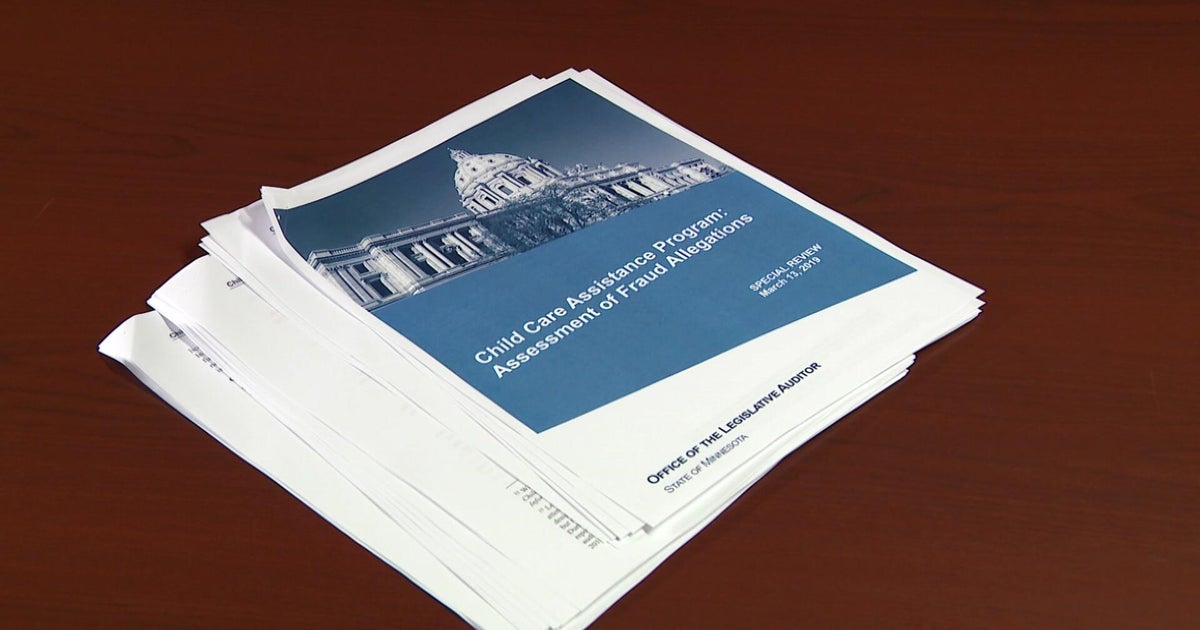
A viral video alleging widespread billing of Minnesota's Child Care Assistance Program (CCAP) has triggered federal and state investigations and highlighted longstanding oversight gaps: a May 2025 OIG audit of 200 randomly selected 2023 payments found 38 noncompliant instances and extrapolated an 11% error rate across 1,155 centers. Historical enforcement recovered roughly $2.4 million since 2020 and prosecutors proved $5–6 million of fraud from 2013–2018; DHS is expanding monitoring (the 'Early and Often' program) and lawmakers are pushing for real-time electronic attendance systems as the Trump administration has frozen federal CCAP payments. Implication: limited fiscal exposure and reputational risk for Minnesota's CCAP program, likely prompting tighter controls and increased compliance costs rather than broad market effects.
Market Structure: Regulatory pressure from OIG recommendations and likely state procurements favors government-software and benefits-administration vendors (e.g., Tyler Technologies TYL, Maximus MMS, ADP ADP, PAYX) that can integrate attendance, billing and eligibility; adoption across 50+ states over 12–36 months could add tens-to-low hundreds of millions of recurring revenue industry-wide, concentrating share with a handful of incumbents. Direct losers: small/fragmented private daycare operators and public childcare chains (e.g., Bright Horizons BFAM) face higher compliance costs, reputational risk and potential payment stoppages that compress margins and encourage consolidation.
Risk Assessment: Near-term (days–weeks) volatility stems from investigations and federal payment decisions; a federal CCAP freeze >30–60 days is a low-probability, high-impact tail that would stress state cash flows and widen Minnesota muni spreads. Medium-term (3–12 months) risks include procurement lead times, integration complexity and legal outcomes—if DHS procurement cycles slip beyond 9–12 months, vendor revenue ramps may be delayed. Hidden dependency: successful monetization requires integration with state payment engines and vendor wins via RFPs; catalyst events are OIG follow-ups, DHS “Early and Often” rollouts, and federal funding rulings.
Trade Implications: Tactical trades: go long specialty govtech (TYL, MMS) and payroll/timekeeping (ADP, PAYX) 12–24 months to capture RFP-driven revenue; hedge/short childcare operators (BFAM) to express regulatory pain. Use pair trades (long TYL, short BFAM) to isolate regulatory-benefit exposure; prefer conservative option structures (12-month bull-call spreads on TYL/MMS, 6–9 month puts on BFAM) to control downside. Rotate fixed-income exposure from long-duration, MN-specific munis into short-duration municipal ETFs (VTEB/MUB) within 2 weeks if payment uncertainty persists.
Contrarian Angles: The market underestimates provider pushback and procurement inertia; widespread immediate electronic-attendance mandates are unlikely — vendors may see slower, but steady, revenue growth (12–36 months) rather than a sudden windfall. Historical parallels (SNAP/TANF modernization) show outsized vendor winners only after multi-year rollouts and state budget cycles; unintended consequence: accelerated consolidation benefits large operators and incumbents while small providers exit, concentrating client bases for public-sector vendors.
AI-powered research, real-time alerts, and portfolio analytics for institutional investors.
Request DemoOverall Sentiment
moderately negative
Sentiment Score
-0.30
