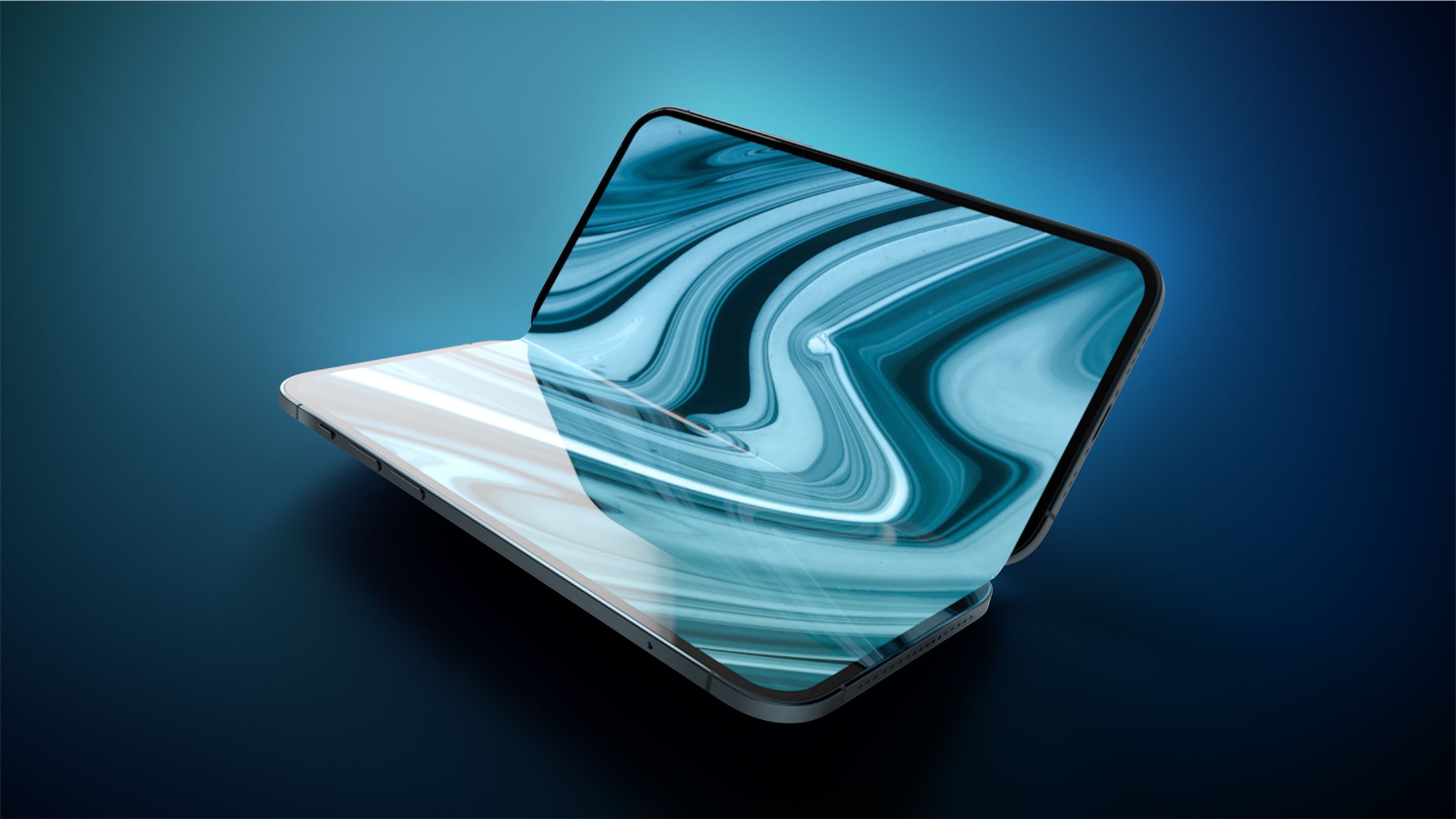
Apple is reportedly planning to use an amorphous liquid metal for the hinge and a revised, lighter but stronger titanium alloy for the body of its first foldable iPhone, leveraging decades‑old Liquidmetal licensing and ongoing patent work to improve hinge durability and reduce weight. The foldable is expected to debut this fall alongside iPhone 18 Pro models with a book-style design (≈7.8" inner, 5.5" outer), A20 chip, C2 modem and Touch ID; the materials choice has implications for suppliers, manufacturing scale-up and component vendors but is currently rumor-based and incremental rather than an immediate earnings driver.
Market structure: Apple (AAPL) adopting liquid metal hinges and lighter titanium frames raises the bar for premium foldables and benefits specialty metal processors, precision hinge makers, and advanced alloy foundries while pressuring mass-market foldable makers that rely on cheaper steels/plastics. Expect a modest pricing wedge: Apple can sustain $50–150 premium per device if hinge durability and weight reduce returns/repairs by 10–30%, reinforcing AAPL’s hardware margin power over 12–18 months.
Risk assessment: Key tail risks are manufacturing yield/integration failure (crease/hinge break) that could force recalls or limit volumes, and raw titanium/liquid-metal capacity bottlenecks that spike input costs >20% in a quarter. Immediate risk (days/weeks): supplier whispers and options vol; short-term (1–3 months): rumored launch and pre-order reactions; long-term (3–24 months): scale-up CAPEX and sustained component pricing.
Trade implications: Direct play is AAPL exposure into fall launch (expected Sept–Nov); materials exposure (e.g., specialty titanium producers) is a 6–18 month cyclical gain. Use defined-risk option structures to capture upside into launch while protecting against negative product news: long-dated call spreads or collars sized 1–3% of portfolio, and overweight Materials by 1–2% vs underweight non-premium handset OEMs.
Contrarian angles: Consensus underestimates integration difficulty — a failed hinge or visible crease would punish AAPL’s halo and services multiple quarters out (10–20% EPS downside in worst-case). Conversely, if Apple nails crease-free durability, accessory and repair-service revenue could rise 5–10% over two years; mispricings will appear in supplier equities where capacity lead times create asymmetry.
AI-powered research, real-time alerts, and portfolio analytics for institutional investors.
Request DemoOverall Sentiment
neutral
Sentiment Score
0.15
Ticker Sentiment
