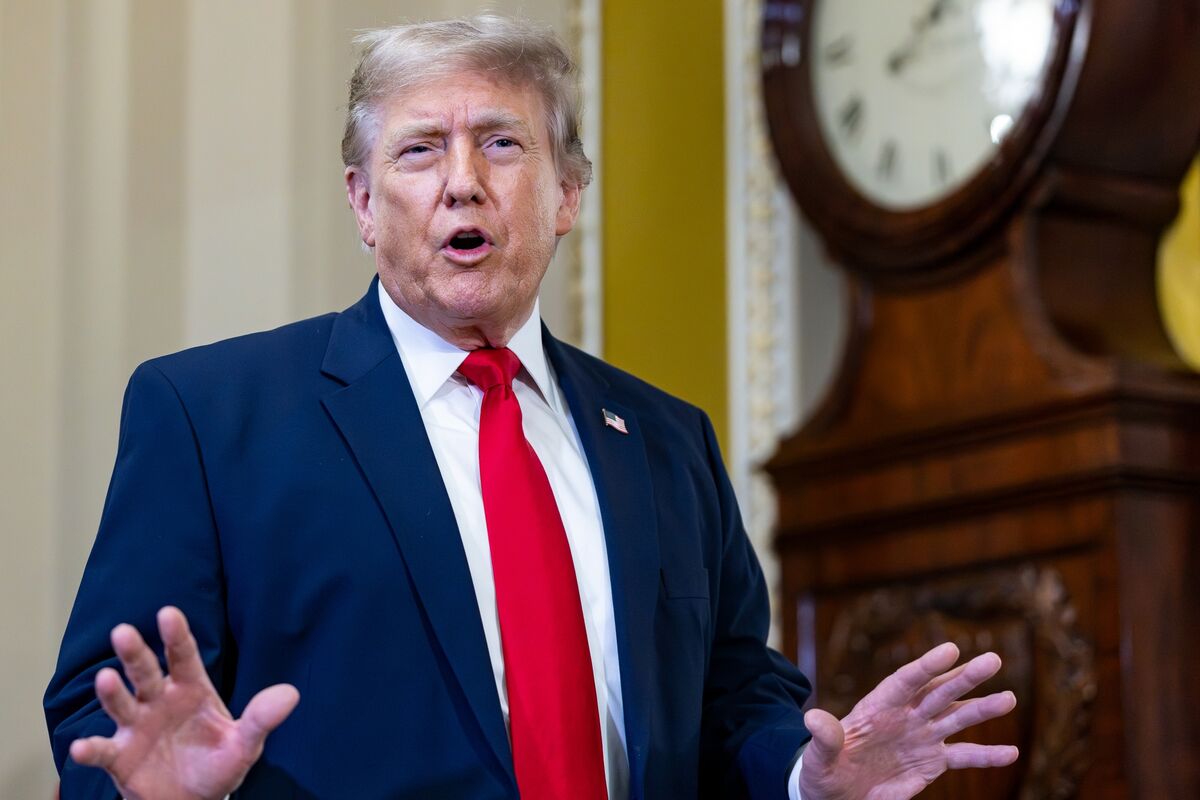
The Senate voted down a war powers resolution aimed at ending U.S. involvement in the Iran conflict after President Trump pressured Republicans at a private lunch. Senators Bill Cassidy and Rand Paul changed their positions, with Cassidy citing a private briefing and Paul voting present to allow peace talks to continue. The vote reduces near-term legislative risk around U.S.-Iran policy, but the broader geopolitical backdrop remains unresolved.
The immediate market read is not “war avoided” so much as “risk premium delayed.” The vote outcome lowers the odds of an abrupt authorization shock, but it also reinforces that Iran policy is being driven by White House signaling rather than a clean institutional process, which keeps headline volatility elevated around any new briefing, tweet, or casualty event. That makes the next 1-4 weeks more about gap risk than trend risk: energy, defense, and rates can reprice on thin information because the Senate showed it can be moved by last-minute executive pressure. Second-order, the bigger beneficiary is the administration’s bargaining leverage in parallel diplomacy. If negotiations buy time, implied volatility in crude should compress; if talks stall, the market has to reintroduce supply-disruption odds from Strait of Hormuz spillover, which is a low-frequency/high-severity tail. Defense contractors may not get a straight-line boost from this specific vote, but any sustained ambiguity around Iran increases replenishment demand, munitions restocking, and readiness spending over the next 1-3 quarters, especially if the Pentagon starts hedging posture with deployments. The contrarian point is that the market may be underpricing how much domestic political theatrics can actually suppress rather than amplify immediate military risk. A public Senate defeat can be read by Tehran as evidence the U.S. is politically constrained, which may reduce the probability of preemptive escalation and support a de-escalation path. In that case, the fastest mean reversion is in oil and defense beta: the event premium decays within days, but the structural policy risk remains unresolved for months, making fade-the-spike trades more attractive than outright directional longs.
AI-powered research, real-time alerts, and portfolio analytics for institutional investors.
Request DemoOverall Sentiment
neutral
Sentiment Score
0.00
