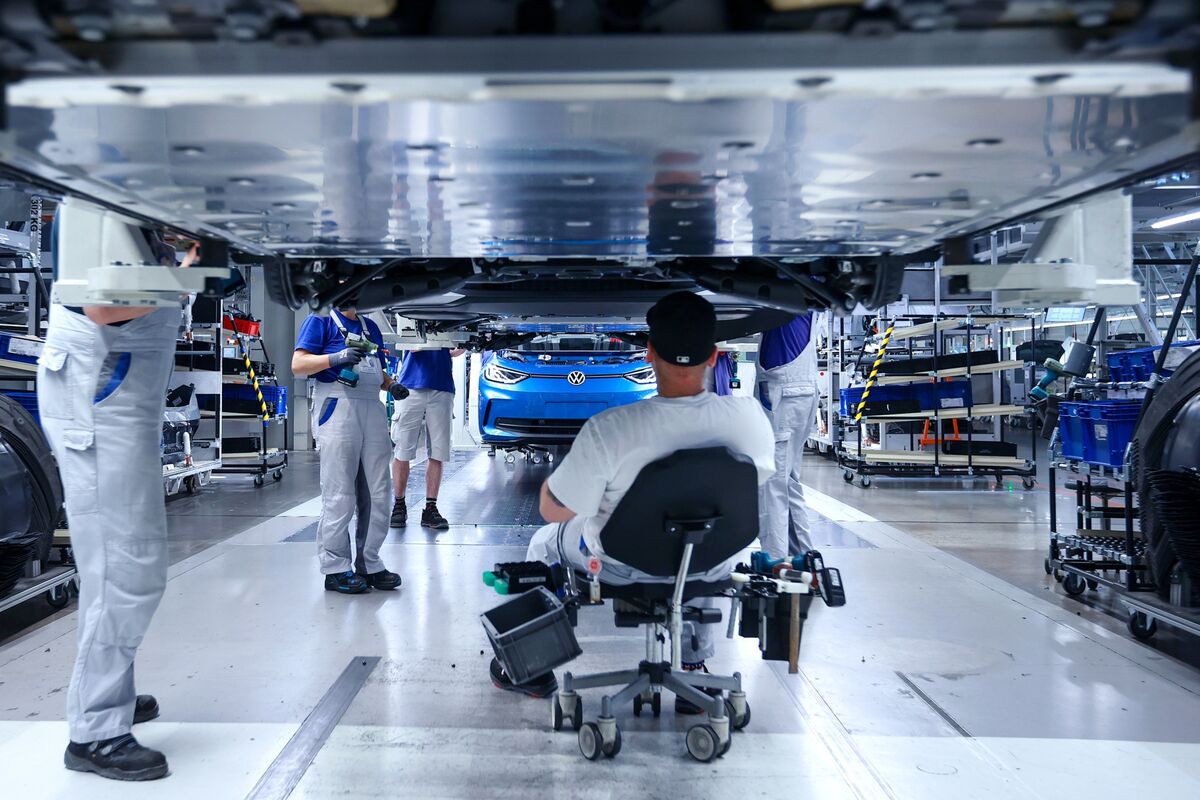
German Chancellor Friedrich Merz said his governing coalition will push the EU to relax the effective 2035 ban on combustion-engine vehicles to relieve pressure on domestic carmakers. The proposal seeks to permit plug-in hybrids, EVs with combustion range extenders and 'highly efficient' conventional cars beyond 2035, a move that could materially alter OEM product plans, capex timing and regulatory risk for European auto stocks if adopted. Investors should watch Brussels' response and any shifts to EU regulation that could extend transition timelines or change demand mix for EVs versus internal-combustion models.
Market structure: A German-led carve-out that permits plug-in hybrids, range-extenders and “highly efficient” ICEs beyond 2035 shifts near-term winners to traditional OEMs with diversified powertrain portfolios (VOW3.DE, BMW.DE, MBG.DE) and Tier-1 suppliers (CON.DE, SHA.DE) who retain €10–30bn of addressable demand vs a hard EV-only baseline. Pure-play EV manufacturers and battery/materials suppliers (TSLA, LIT, LAC) face lower demand trajectory assumptions and margin compression forecasts of ~200–400bps over 3–5 years if EU rules soften.
Risk assessment: Tail risks include the EU overruling Germany (downside shock to German OEMs) or Germany losing coalition control (policy reversal); both are low probability but >€50bn market-cap sensitive for autos across Europe. Immediate price moves (days) will track headlines; the legislative window (EU negotiation/compromise) is the 6–18 month horizon; structural demand impacts play out through 2035. Hidden dependencies: subsidy continuation, consumer EV adoption rates, and battery cost curves (USD/kWh trajectory), any of which can flip outcomes.
Trade implications: Tactical longs: select German OEMs and suppliers, using 3–12 month horizons to capture re-rating if carve-outs pass. Shorts/hedges: battery raw-material miners and pure EV plays with stretched multiples. Options: buy 6–12 month call spreads on CON.DE/BMW.DE and protective put spreads on TSLA to express asymmetric views while capping premium.
Contrarian angles: Consensus underestimates regulatory fragmentation: a German carve-out could create a multi-speed EU market, benefiting regional champions and depressing pan-EU battery demand by 10–20% vs consensus — a mispricing in lithium equities. Conversely, if Brussels resists, short-term downside for German names may be overdone; prepare rapid rotation triggers tied to specific legislative text and timing.
AI-powered research, real-time alerts, and portfolio analytics for institutional investors.
Request DemoOverall Sentiment
mildly positive
Sentiment Score
0.25
