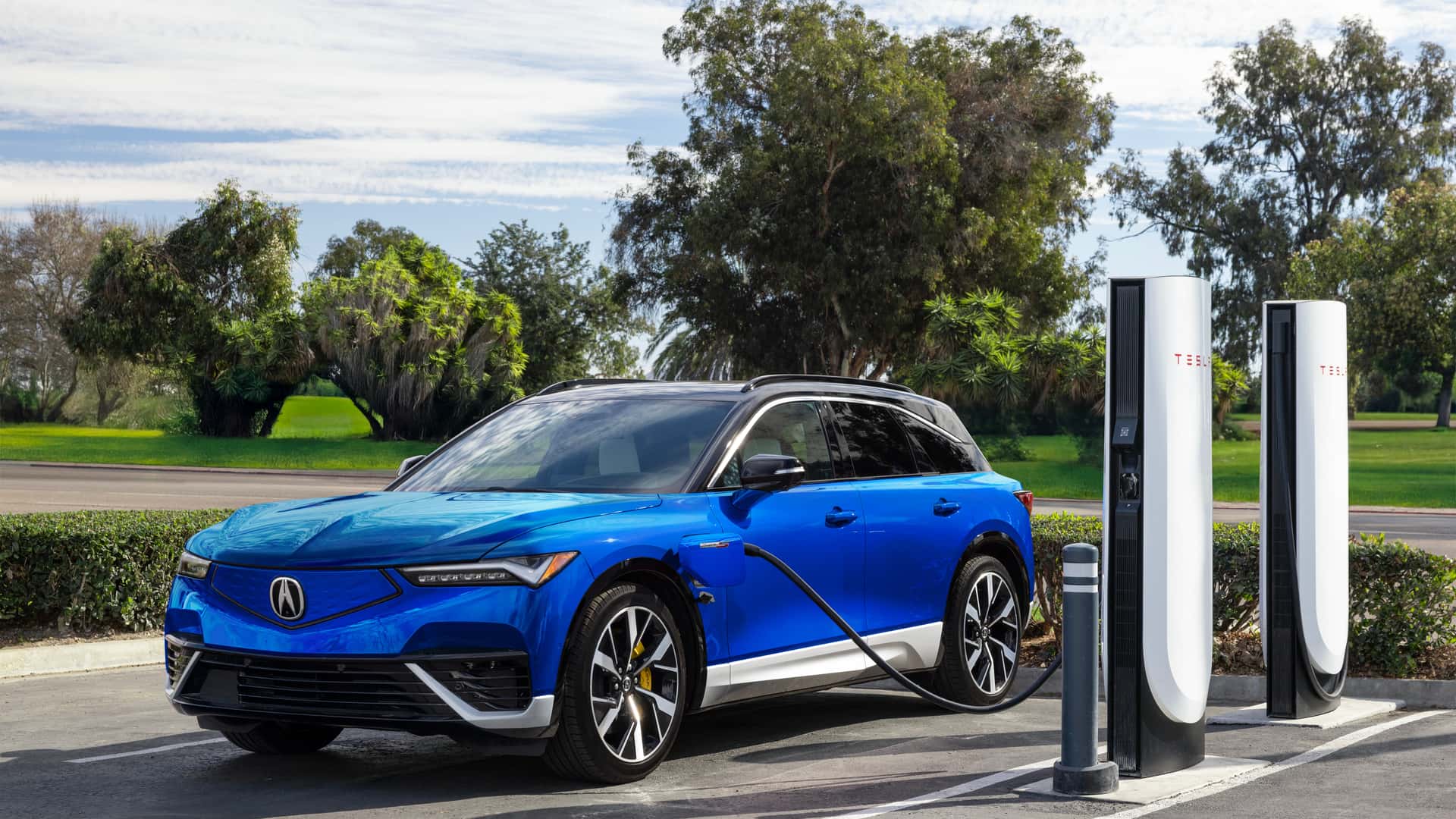
Acura has ceased production of its ZDX electric SUV, its sole U.S. EV offering, just a week before the federal EV tax credit expires, citing 'market conditions.' This decision, which followed substantial incentives of $21,000 per ZDX in Q2, reflects a broader industry slowdown and reduced regulatory pressure on EV adoption, signaling a market transition from policy-driven growth to demand-driven sales. This trend, also seen in other automakers scaling back EV plans, suggests a potential deceleration in overall EV market expansion, though Acura still plans to launch its RSX EV in 2026.
Acura's decision to cease production of its sole U.S. electric vehicle, the ZDX SUV, signals a significant strategic pivot for parent company Honda (HMC) and reflects a broader cooling in the EV market. The move is attributed to challenging "market conditions," a reference to the impending expiration of the federal EV tax credit, easing emissions regulations, and persistent tariff pressures. The unsustainability of the ZDX model is underscored by the substantial $21,000 per-vehicle incentive Acura was offering in the second quarter, indicating weak organic demand and likely unprofitability. This is not an isolated incident but part of an industry-wide trend, with other legacy automakers like General Motors (GM) and Stellantis's Ram also scaling back their near-term EV production plans. The market is evidently transitioning from a period of policy-driven growth to one dictated by pure consumer demand, which is expected to result in significantly slower sales growth. While this specific action is a setback for Acura's immediate EV presence, the company maintains a long-term commitment to electrification, planning to launch the Ohio-built RSX EV in late 2026, suggesting a recalibration of its strategy rather than a full retreat.
AI-powered research, real-time alerts, and portfolio analytics for institutional investors.
Overall Sentiment
strongly negative
Sentiment Score
-0.60
Ticker Sentiment
