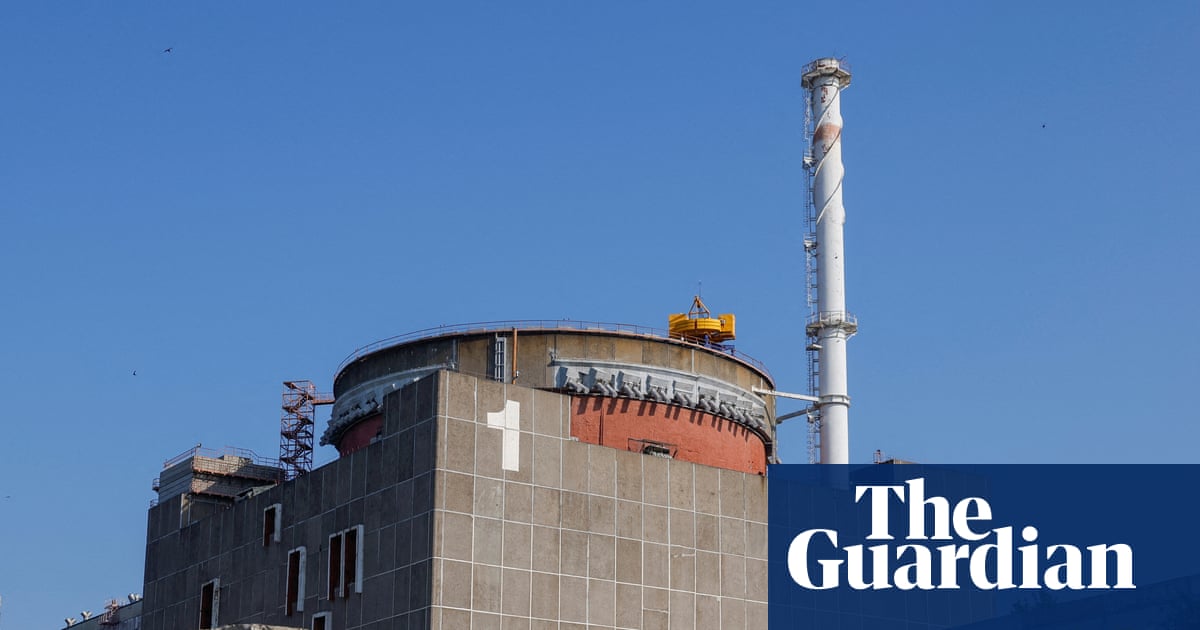
The Zaporizhzhia nuclear power plant has been without external power for a record eight days, forcing reliance on backup diesel generators, a situation the IAEA deems unsustainable for nuclear safety. Satellite imagery analysis contradicts Russian claims of Ukrainian shelling, suggesting deliberate sabotage of the last remaining power line, which experts indicate could be easily repaired. This development is viewed as a strategic move by Russia to create a crisis, assert control, and integrate the plant into its power grid, intensifying geopolitical risks and nuclear safety concerns in the region.
The Zaporizhzhia nuclear power plant is facing a critical operational risk, having been disconnected from its last external power line for a record eight days and now relying on backup diesel generators. This situation is deemed unsustainable by the IAEA, elevating nuclear safety concerns. Evidence from satellite imagery, analyzed by McKenzie Intelligence, directly contradicts Russian claims that Ukrainian shelling is impeding repairs. The analysis revealed no craters near the damaged pylon, which appears to be standing and relatively simple to fix. This discrepancy supports accusations of deliberate sabotage, a tactic likely employed by Russia to manufacture a crisis. The strategic objective appears to be the forced integration of the plant into the Russian power grid, a plan evidenced by an unpublished Russian IAEA document and ongoing construction of a new high-voltage line from Russia. While the plant's six reactors are in a less volatile 'cold shutdown' state, the reliance on a finite 10-day fuel supply for generators introduces a significant point of failure, amplifying geopolitical tensions and the tail risk of a nuclear incident.
AI-powered research, real-time alerts, and portfolio analytics for institutional investors.
Overall Sentiment
extremely negative
Sentiment Score
-0.85
