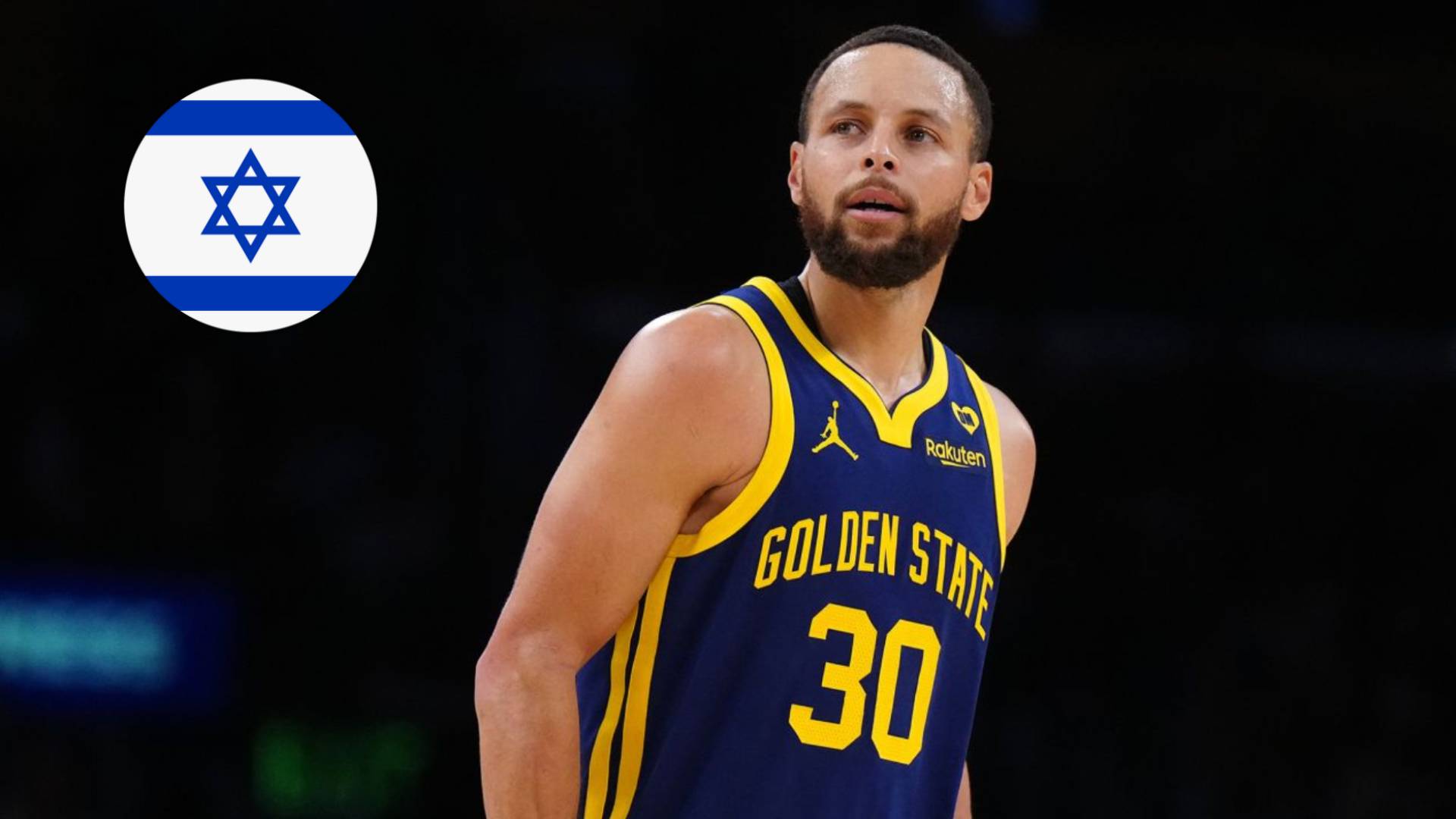
Penny Jar Capital, the venture firm co-founded by NBA star Stephen Curry in 2022, has invested in cybersecurity startups Zafran Security and Upwind that were founded and staffed by veterans of Israeli military intelligence units; Zafran raised $30 million in 2024 (with Sequoia and Menlo among investors) and Upwind raised $50 million in 2023 and $250 million in 2025, with Penny Jar participating. Independent reporting highlights founders' Unit 8200/Mamram/Unit 81 backgrounds and alleges the firms contribute to Israeli surveillance capabilities used in Gaza, prompting online backlash that poses reputational and ESG risk for Curry, his firm and co-investors.
Market structure: The immediate winners are large, U.S.-based, compliance-focused cybersecurity vendors and ETFs (e.g., PANW, CRWD, ZS, HACK) as customers and institutional buyers rotate to perceived 'safe' suppliers; losers are small/mid-cap Israel-centric cyber names (e.g., CHKP, NICE) and private Israeli-founded startups that may face fundraising headwinds. Competitive dynamics favor incumbents with strong enterprise/government contracts and on‑shore R&D; venture flow to Israel-linked founders could slow, increasing price power for U.S. integrators over 6–24 months. Cross-asset moves should include a modest bid for Treasuries and gold, short-term ILS weakness and widening of Israeli CDS by 10–50bp if the controversy escalates.
Risk assessment: Tail risks include (1) targeted BDS-style contract cancellations for public Israeli suppliers, (2) U.S. regulatory scrutiny/export controls on dual‑use cyber tools, and (3) LP redemption pressures on celebrity-led VC vehicles causing fire sales of secondary stakes; probability low but impact high over 3–12 months. Near-term (days-weeks) volatility is reputation-driven; medium-term (months) is funding and contract risk; long-term (quarters) is structural supply-chain re‑shoring. Hidden dependencies: many U.S. vendors rely on Israeli R&D talent embedded in their stacks—disruption could cause unexpected integration or hiring costs.
Trade implications: Favor selective longs in PANW and CRWD (2–3% net exposure each) and a 2% tactical allocation to defense primes (RTX, NOC) with 6–12 month horizon; these benefit from flight-to-quality and potential onshoring. Short/hedge small Israeli-exposed names (CHKP, NICE) with 1–2% positions or buy 3-month put spreads (10–15% OTM) to limit capital at risk. Use pair trades: long PANW vs short CHKP to capture relative re‑rating; enter within 1–4 weeks, trim longs on >8% relative outperformance or add to shorts if headlines worsen.
Contrarian angles: Consensus overstates fame-driven capital flows—Penny Jar’s $$$ are immaterial to enterprise fundamentals, so market reaction could be overdone in thinly traded Israeli cyber names; historical parallels (2014 Gaza cycles) show short-lived valuation hits that reversed within 6–12 months. Mispricings likely if CHKP/NICE drop >15% on headline noise—that becomes a buy-with-conditions: require no U.S. contract cancellations and stable revenue guidance for two consecutive quarters. Unintended consequence: sustained backlash accelerates U.S. vendor consolidation and benefits PANW/CRWD margins by 100–250bps over 12–24 months.
AI-powered research, real-time alerts, and portfolio analytics for institutional investors.
Request DemoOverall Sentiment
moderately negative
Sentiment Score
-0.35
