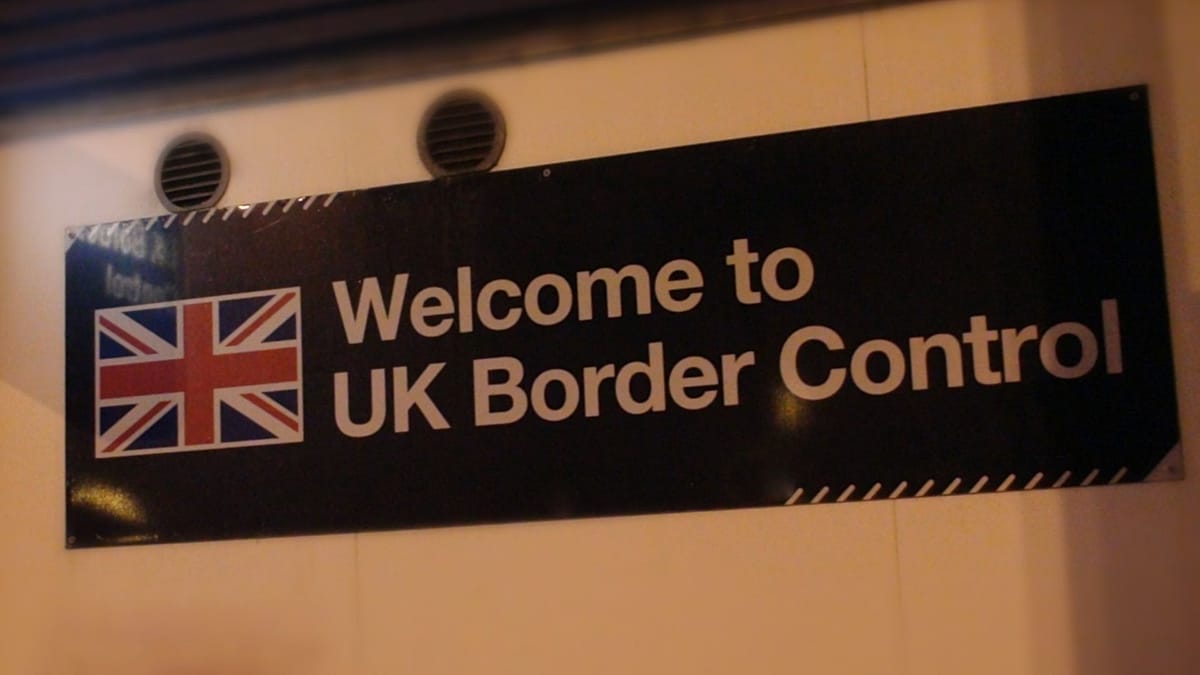
From 25 February 2026 the UK will require nationals of 85 visa‑exempt countries (including the US, Canada, Australia and EU states) to hold an Electronic Travel Authorisation (ETA) to enter the country; the ETA application currently costs £16 (set to rise to £20) and is valid for two years or until passport expiry. The policy, rolled out in phases since October 2023 with 13.3m ETAs issued so far, will be enforced at boarding with carriers required to check authorization, creating operational and compliance implications for airlines and airports and potential denial‑of‑boarding risks for travellers (notably dual nationals without a British/Irish passport unless they hold a costly certificate of entitlement). The move is pitched as a digital modernisation to improve security and migration management but may drive small fee revenue and elevated operational checks rather than material financial market consequences.
Market structure: Mandatory ETAs (from 25 Feb 2026) marginally raises friction for inbound travel to the UK, redistributing value toward identity/KYC vendors, payment processors, and travel platforms that integrate ETA checks. Airlines and airports incur incremental operational/boarding-check costs and potential denied-boarding liabilities; estimate a 0.5–2% hit to margins for exposed carriers in first 6–12 months as processes scale. Tourism demand shock should be small (likely <3% annual visitors decline) given ~13.3m ETAs already issued, but concentrated in last-minute and dual-citizen travel flows.
Risk assessment: Tail risks include a major IT outage or mass carrier refusal to board (day-zero operational shock) causing multi-day travel freezes and regulatory fines — a low-probability but high-impact event for airline revenues and GBP FX volatility. Immediate risk window: enforcement start (±30 days around Feb 25, 2026); short-term months: operational ramp and legal clarifications on dual citizens; long-term (12–36 months): permanent shift to digital border control and cross-border data flows with recurring revenue for tech vendors. Hidden dependency: carriers’ adoption rate of automated checking partners — concentration risk if one provider fails.
Trade implications: Prefer long exposure to identity/verification and payment rails that capture per-transaction ETA fees (Equifax EFX, TransUnion TRU, Visa V) via 1–2% tactical positions, targeting 10–20% upside within 6–12 months as integration deals announce. Overweight OTAs (Booking BKNG, Expedia EXPE) for monetizing UX/concierge services; underweight or hedge leveraged regional carriers and airport services with tight margins (JETS ETF short or buy puts) over the Feb 2026 enforcement window. Use calendar spreads: buy 9–12 month calls on EFX/TRU and sell shorter-dated calls to monetize premium while timing adoption.
Contrarian angles: Consensus treats this as operational nuisance; underappreciated is recurring revenue stream from ETA-assisted services (ancillary booking fees, identity subscriptions) that could add 1–3% revenue CAGR to platform players over 2–3 years. Conversely, market may underprice regulatory/ privacy pushback — lawsuits or data localization rules could cap upside for US-based identity vendors, so size positions conservatively and stagger entries into 3 tranches tied to contract announcements or a successful 60-day enforcement window.
AI-powered research, real-time alerts, and portfolio analytics for institutional investors.
Request DemoOverall Sentiment
neutral
Sentiment Score
0.00
