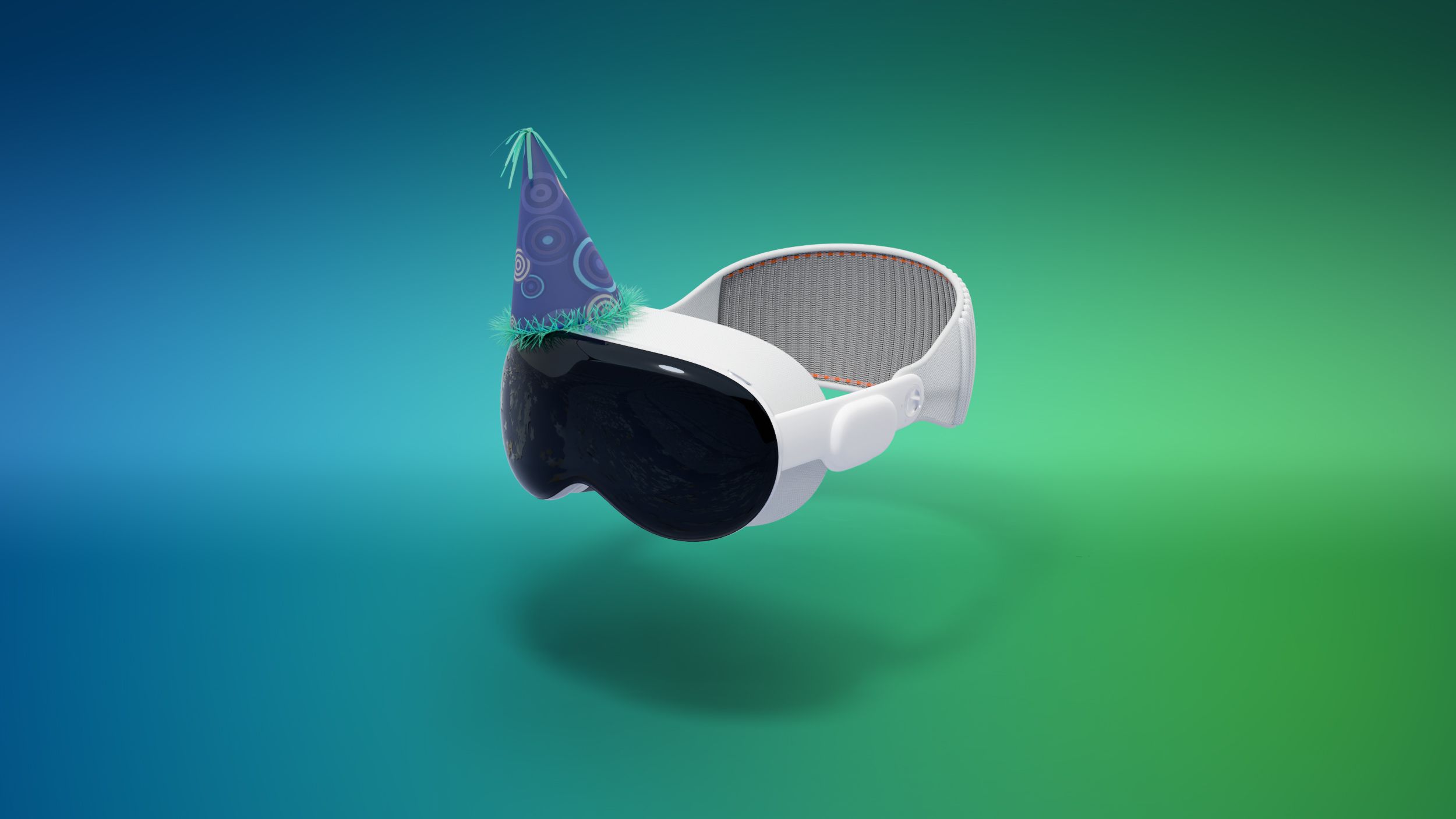
Apple’s Vision Pro, a high-end spatial-computing headset launched Feb. 2, 2024 with a $3,499 U.S. starting price and dual micro‑OLED displays totaling ~23 million pixels, has seen early technical praise but weak consumer uptake. Apple issued an M5 refresh (≈10% more rendered pixels, up to 120Hz, ~1 hour more battery) but reportedly is winding down first‑gen production, paused development of a redesigned Vision Pro and a lower‑cost “Vision Air,” and is reallocating resources toward smart glasses amid excess inventory and cooling enthusiasm. The developments signal product roadmap disruption and inventory-driven cost/production adjustments that are relevant to Apple’s hardware growth outlook and near‑term consumer hardware margins.
Market structure: Apple’s de-emphasis of Vision Pro pulls demand away from high-margin MR components (micro‑OLED, custom sensors, specialty batteries) and pressures contract manufacturers (Hon Hai/TW suppliers) while opening share for lower-cost, open-platform players (Meta, Snap, Qualcomm). Expect ASP compression in mainstream AR—modeling suggests 20–40% lower consumer ASPs over the next 24 months—and short-term destocking that could force low‑single‑digit‑billion inventory impairments. Cross‑asset: anticipate a spike in AAPL options IV, modest widening of tech credit spreads, and negative FX pressure on Asian hardware exporters.
Risk assessment: Tail risks include a guidance-driven multiple compression or an impairment >$5B that meaningfully dents sentiment; a privacy/regulatory restriction on AR data flows is a second tail. Timeline: immediate (days) — volatility around earnings/WWDC; short (weeks–6 months) — supplier prints and inventory cadence; long (2–4 years) — successful pivot to smart‑glasses or continued stall. Hidden dependencies: developer ecosystem scale, battery/thermal limits, and OEM contract terms; catalysts include WWDC, Apple earnings inventory commentary, and competitor hardware launches.
Trade implications: Tactical hedges on AAPL via time‑limited puts are cost‑efficient; relative value favors long open‑ecosystem XR players (META) vs underweight AAPL as capital rebalances. Specific trades should size small (1–3% pockets), focus on 3–12 month horizons, and use verticals/put spreads to manage premium. Rotate out of pure consumer hardware into software/cloud/AI exposure (MSFT/GOOGL) where monetization is more resilient.
Contrarian angles: The market may over‑penalize AAPL’s headline pause—Apple’s services and iPhone cash flows cap downside and a modest ~$2–3B actual impairment would likely be priced as temporary, creating a 10–15% recovery scenario over 12 months. Historical parallels (Newton, Beats integration) show Apple can recover platform momentum; developer mindshare freed from Vision Pro could accelerate third‑party AR solutions, benefiting cloud and tooling vendors more than hardware suppliers.
AI-powered research, real-time alerts, and portfolio analytics for institutional investors.
Request DemoOverall Sentiment
moderately negative
Sentiment Score
-0.55
Ticker Sentiment
