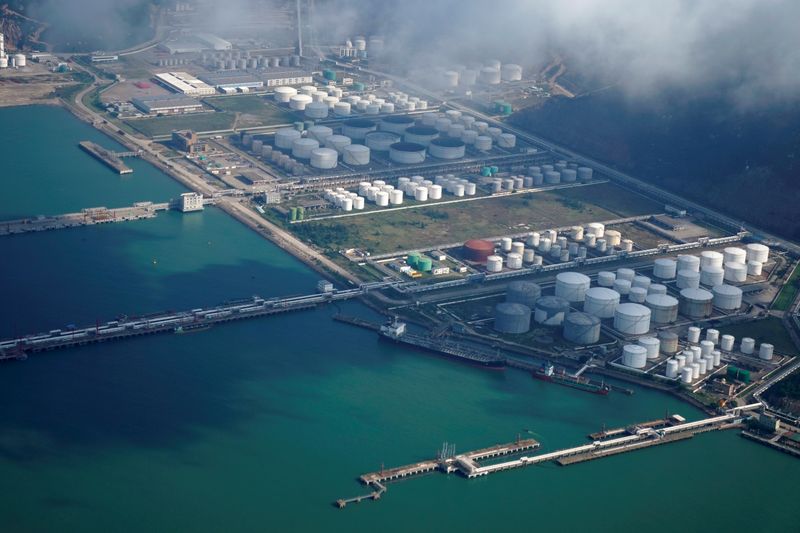
Approximately 20% of global oil and LNG supplies transit the Strait of Hormuz and U.S. President Trump issued a 48-hour ultimatum to Iran to reopen it, threatening to 'obliterate' Iranian power plants; European gas prices surged as much as 35% last week. Iranian and Israeli strikes have expanded to long-range ballistic missiles (reported range ~4,000 km) and damage to major LNG processing at Ras Laffan, creating a material risk of sustained energy supply disruption and higher inflation. Position for continued risk-off flows: overweight energy producers and defense names selectively, consider hedges for oil/LNG exposure and duration/FX safe-havens given heightened volatility and geopolitical tail risk.
The economic impact will be driven less by headline strikes and more by durable damage to concentrated energy processing and export nodes plus the insurance/shipping friction from constrained chokepoints. Expect an immediate lift to forward LNG and crude freight spreads that can persist for quarters because physical repairs to large processing complexes and re-routing of VLCC/LNG vessels are measured in months-to-years, not days.
A second-order winner set includes vendors that sell high-density compute to defense/intel customers and cloud providers accelerating on-prem deployments for secure workloads; procurement timelines for those contracts are short (weeks–months) and can create step function revenue in the next 2–6 quarters. Conversely, owners/operators of long-haul tanker fleets, short-duration travel and regional retail exposed to higher fuel costs are vulnerable to margin compression and deferred demand.
The key risk is binary diplomacy: a credible multinational coalition to re-open transit or a major repair program funded by insurers/governments would collapse the risk premium in 2–8 weeks, hurting energy and defense-related trades. Position sizing should reflect that possibility — trade structure > directional exposure — and monitor three catalysts: insurance rate announcements and route-change notices (days), repair timelines from operators (weeks), and formal allied operational commitments such as minesweeping (1–6 weeks).
AI-powered research, real-time alerts, and portfolio analytics for institutional investors.
Overall Sentiment
strongly negative
Sentiment Score
-0.80
Ticker Sentiment
