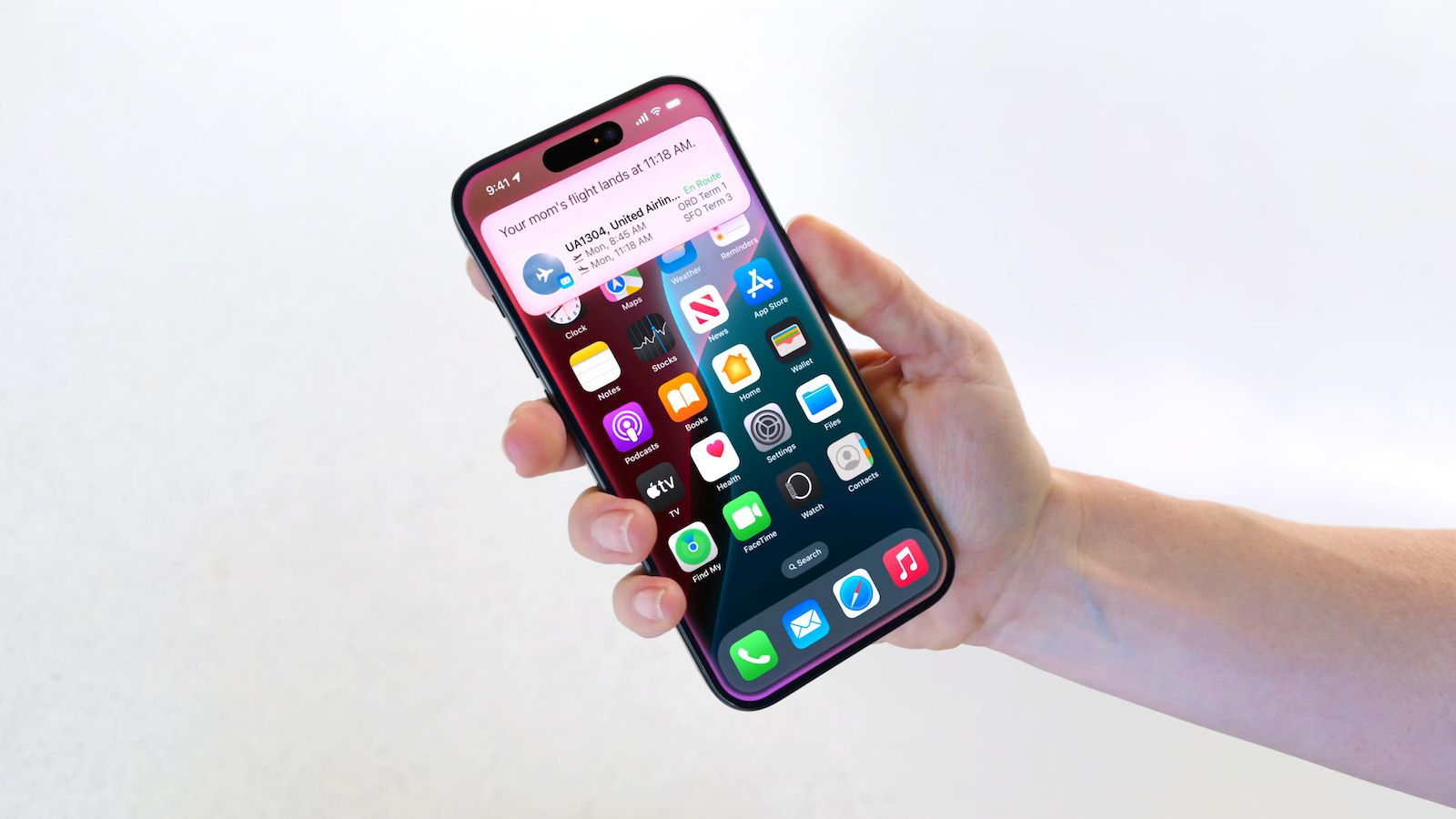
Apple reportedly planned to rebuild Siri around Anthropic’s Claude but chose to partner publicly with Google’s Gemini largely because Anthropic demanded “several billion dollars a year” with prices doubling annually over three years. Despite the external Gemini partnership for the consumer Siri revamp (expected in iOS 26.4 beta in February and general release in March–April, likely requiring an iPhone 15 Pro or newer), Bloomberg’s Mark Gurman says Apple still uses Anthropic internally for product development and runs custom Claude instances on its servers, underscoring a split vendor strategy driven by cost and operational considerations.
Market structure: Alphabet (GOOGL/GOOG) is the direct beneficiary—it gains a multi-year commercial relationship with Apple that can be monetized across Gemini, cloud, and ad/product integrations. Apple (AAPL) gains product differentiation but likely avoids a large annual vendor fee, preserving gross margins; Anthropic (private) wins credibility and internal footprint at Apple, increasing its valuation trajectory. Incumbent LLM suppliers (OpenAI/Microsoft) face differentiated competitive pressure; expect pricing power to concentrate among a few top models, raising enterprise demand for high-quality LLMs by mid-2026.
Risk assessment: Key tail risks include regulatory/antitrust action against Google-Apple tie-ups (probability moderate over 12–24 months), data-privacy-driven pullbacks by Apple, or operational failures in Gemini/Siri leading to reputational loss for Apple and revenue clawbacks for Google. Immediate volatility spikes expected around iOS 26.4 beta (Feb) and public release (Mar–Apr); long-term (2–3 years) the biggest risk is vendor substitution if Apple scales internal Anthropic deployments into an M&A target or in-house model. Hidden dependency: Apple running critical internal workflows on Anthropic creates counterparty concentration risk that could surface in procurement or IP disputes.
Trade implications: Near-term (days–weeks) favor a targeted overweight in GOOG/GOOGL ahead of the Feb beta and Mar–Apr launch; implied volatility on GOOG is likely to compress post-release—use 1–3 month call spreads to capture upside while limiting premium. A neutral-to-defensive stance on AAPL is warranted: product uplift is real but monetization to Google reduces Apple’s services revenue upside; prefer pair trades (long GOOGL, trim AAPL) and hedge with AAPL Apr put spreads if AAPL position exceeds 3% portfolio. Monitor catalyst triggers—iOS beta (Feb), public launch (Mar–Apr), and any DOJ/FTC inquiries within 90 days.
Contrarian angles: Consensus prizes Google as sole winner but underestimates Anthropic’s leverage—Apple’s internal use of Claude suggests Anthropic could be the de facto backbone and eventually demand richer commercial terms or exit via IPO/M&A, which would reprice competitors. Conversely, market may overprice long-term revenue transfer to Google; if Apple shifts more workloads back to Anthropic or builds in-house LLMs, GOOG upside could be capped. Historical parallel: platform-provider dynamics (e.g., Google search on iOS) showed bilateral negotiation can swing—watch for regulatory or price renegotiation risk over 12–24 months that could reverse initial winners.
AI-powered research, real-time alerts, and portfolio analytics for institutional investors.
Request DemoOverall Sentiment
neutral
Sentiment Score
0.05
Ticker Sentiment
