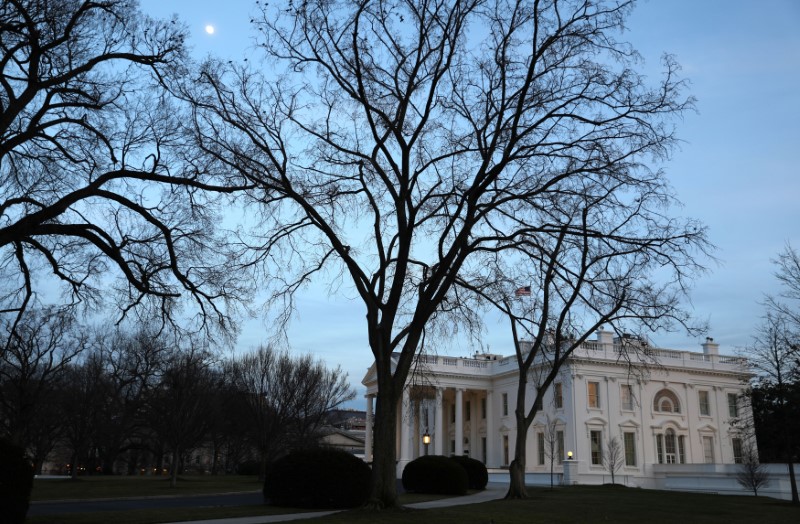
The administration filed an emergency motion with the D.C. Circuit to restart a $400 million White House ballroom project after U.S. District Judge Richard Leon ordered construction halted pending a lawsuit. The administration argues the pause creates security risks to the president and staff and has 14 days to appeal; plaintiffs (National Trust for Historic Preservation) say the demolition required congressional approval. The administration calls the legal challenge legally baseless and questions standing, creating short-term legal and political uncertainty around the project.
A high-profile legal contest over executive-led renovations is effectively a regime change in project execution risk for government work: legal friction becomes a live project-management variable rather than a one-off compliance headache. That favors firms with existing federal program relationships, captive manufacturing or modular capabilities, and conservative contractual indemnities because they can re-price or avoid stoppage-related churn more quickly than commodity builders.
Supply-chain winners are likely to be specialist manufacturers of security-grade building products and modular prefabricators whose onshore production shortens lead times and reduces demobilization costs; margins on these inputs can expand if buyers pay a premium to avoid litigation-driven delays. Conversely, highly leveraged general contractors with long tail subcontracts and thin margins will see financed working capital needs spike if projects are paused repeatedly.
Tail risks cluster around judicial and legislative reversals that could impose broad stop-work orders, expanded oversight, or retroactive funding constraints — any of which could force contractors to take writedowns and trigger insurance and indemnity disputes. Timing is bifurcated: legal shocks cause volatility in days–weeks, while backlog reallocation and supply-chain re-pricing play out over 3–12 months as new contract terms and sourcing patterns become industry standards.
For portfolio construction, favor liquid equities that combine federal backlog, engineering & procurement capabilities, and onshore manufacturing exposure; use short-duration options to hedge the near-term binary legal outcomes and prefer pairs that isolate execution risk from exposure to government work. Monitor appeals activity and any Congressional inquiries as discrete catalysts for re-rating.
AI-powered research, real-time alerts, and portfolio analytics for institutional investors.
Request DemoOverall Sentiment
neutral
Sentiment Score
0.00
