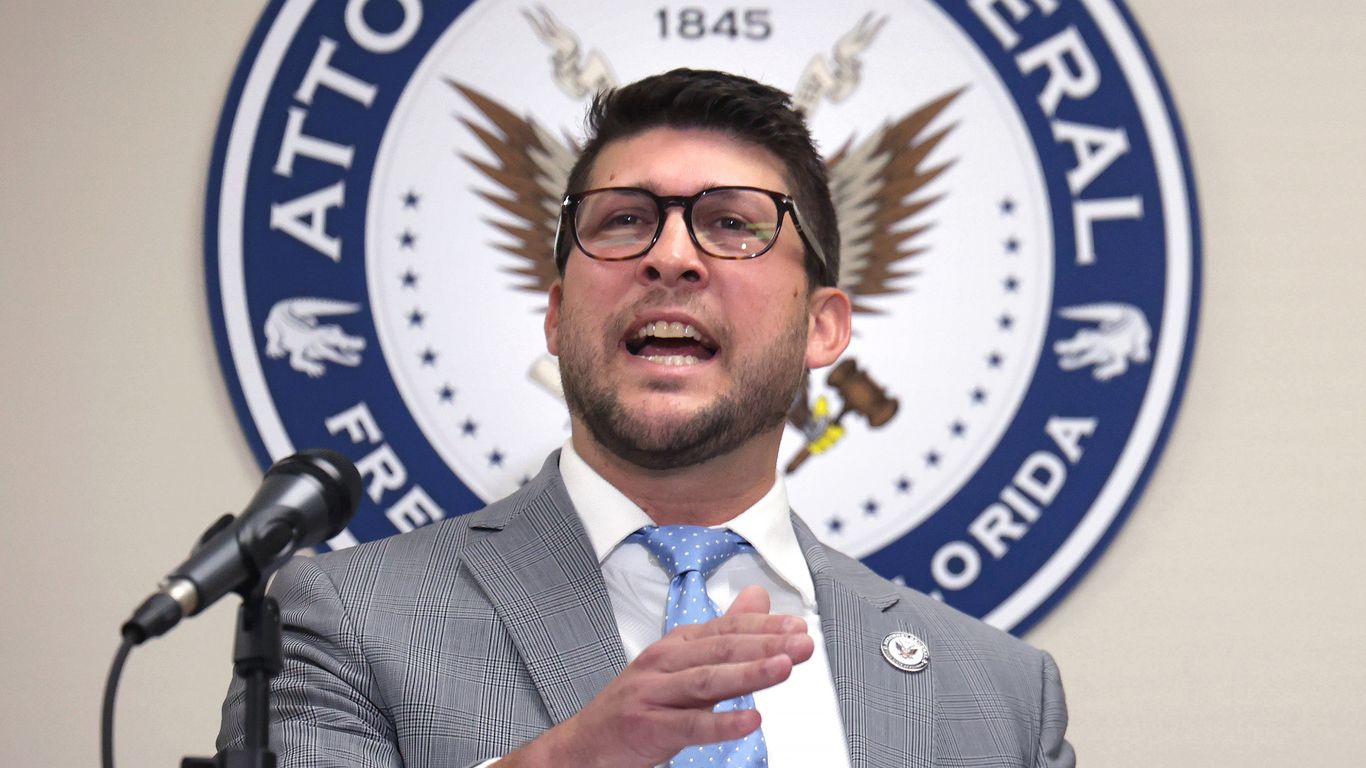
Florida Attorney General James Uthmeier has classified 7-hydroxymitragynine (7-OH), a potent opioid-like compound found in some kratom products, as a Schedule I controlled substance, making Florida the first state to ban this specific byproduct. This action, which follows a July FDA recommendation for nationwide control and targets concentrated 7-OH products rather than the kratom leaf, signals increasing state-level regulatory scrutiny on certain kratom derivatives and could prompt similar actions in other jurisdictions, impacting the market for these substances.
Florida has become the first state to classify 7-hydroxymitragynine (7-OH), a potent kratom-derived compound, as a Schedule I controlled substance, effectively banning its sale. This state-level action follows a U.S. Food and Drug Administration (FDA) recommendation from July for nationwide control, signaling a potential trend of increased regulatory scrutiny moving from federal guidance to state-level enforcement. The ban is specifically targeted at concentrated 7-OH products, such as tablets and shots, which have been described by researchers as acting like an opioid, while explicitly excluding the raw kratom leaf. This distinction is critical, as it creates a bifurcated risk profile within the kratom industry. The endorsement of this ban by the FDA Commissioner, who encouraged other states to follow suit, suggests that the regulatory landscape for manufacturers and distributors of kratom concentrates is likely to become increasingly restrictive and fragmented across the United States.
AI-powered research, real-time alerts, and portfolio analytics for institutional investors.
Request DemoOverall Sentiment
mildly positive
Sentiment Score
0.25
