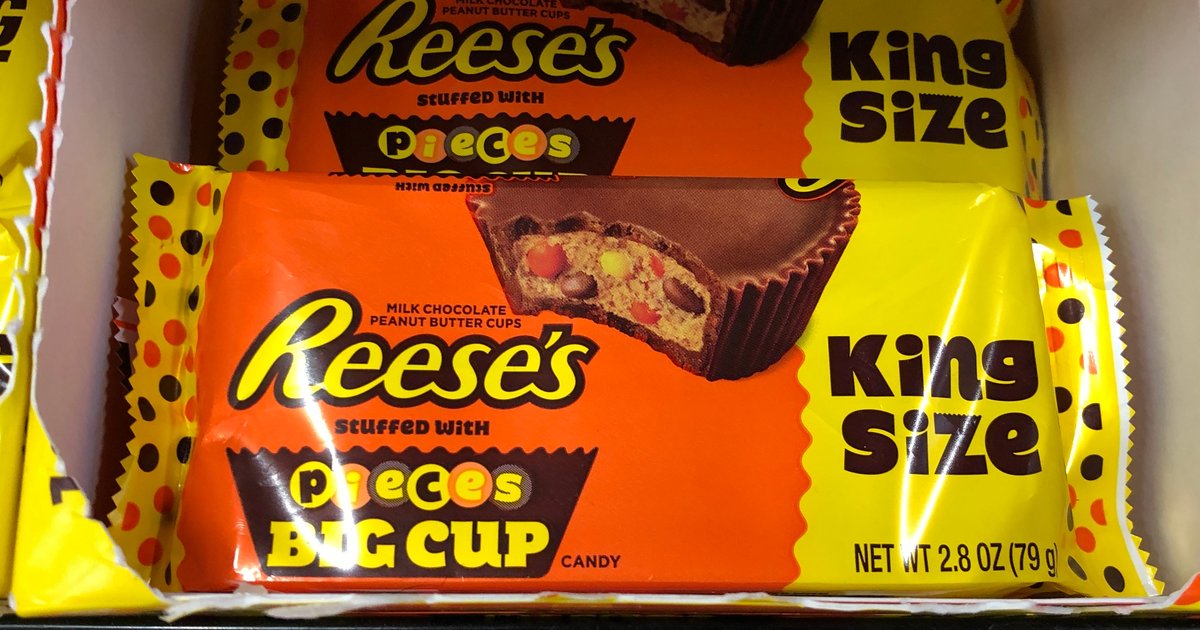
Hershey will revert several Reese's and other products to original milk and peanut butter recipes starting next year and is raising R&D funding by 25% across its sweets portfolio. The change addresses brand backlash over prior swaps to compound coatings and peanut butter crèmes and includes moves to natural colors and a creamier Kit Kat recipe. Shares dipped in March amid the controversy but remain up over 10% YTD; cocoa prices have rebounded from prior record highs, which may ease input cost pressure. The actions are remedial to protect brand equity and could modestly raise costs but should support long-term demand and pricing power.
The firm's reversal on ingredient strategy is a brand-repair lever more than a pure cost decision; the immediate economic trade-off is higher input and operating cost versus restored price elasticity and shelf premium. Expect a two-stage P&L dynamic: a measurable gross-margin hit in the next 6–12 months as formulation, tempering and packaging complexity rises, followed by potential pricing and volume recovery over 12–24 months if improved taste perception materially reduces churn.
Second-order supply effects are underappreciated. A sustained shift back to real chocolate increases demand for cocoa butter and milk solids, tightening specialized upstream capacity (refineries, dairy processors and tempering lines) and benefiting processors and ingredient-focused names; conversely, suppliers of compound coatings and palm-based fats face volume loss and excess capacity issues, creating arbitrage opportunities along the value chain.
Execution risk dominates the story: manufacturing retooling, SKU transitions and retailer slotting could create transient stock-outs or mix dilution that mute any brand benefit. Key catalysts to watch are two: 1) sequential reported gross margin and SKU-level velocity over the next 2 quarterly prints, and 2) cocoa/milk commodity moves—if raw materials decline sharply, the margin pain narrative evaporates and the stock can re-rate faster than the underlying brand recovery plays out.
AI-powered research, real-time alerts, and portfolio analytics for institutional investors.
Overall Sentiment
mildly positive
Sentiment Score
0.15
Ticker Sentiment
