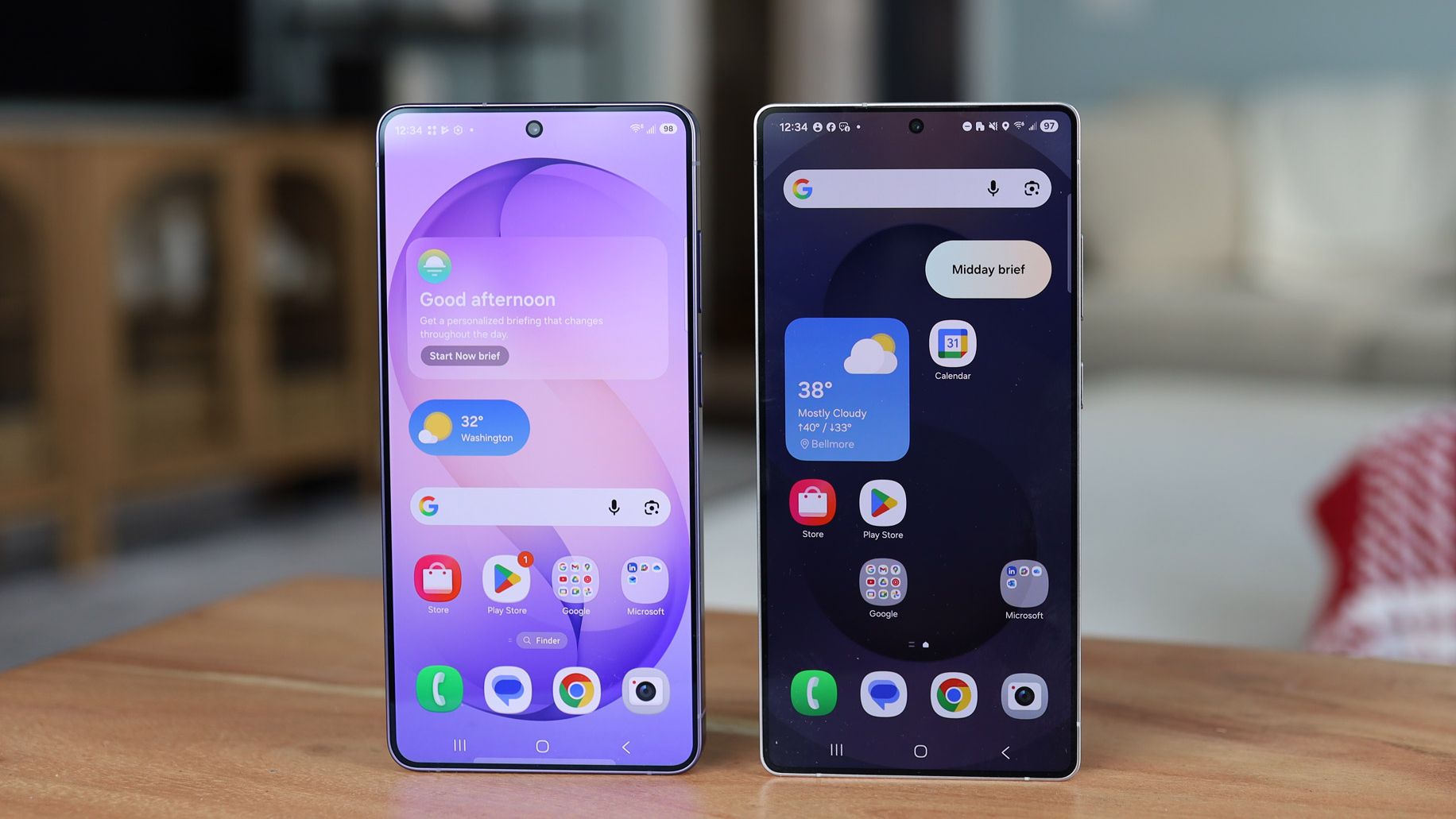
Samsung launched the Galaxy S26 Ultra in March 2026 with a $1,299.99 base price (256GB); the phone is a modest, incremental upgrade over the S25 Ultra rather than a radical redesign. Key deltas: slightly thinner/lighter (7.9mm/214g vs 8.2mm/218g), Snapdragon 8 Elite Gen 5 (+option for 16GB RAM), built-in Privacy Display, wider main/telephoto apertures (main f/1.4 vs f/1.7; 5x tele f/2.9 vs f/3.4) for improved low-light/zoom, and faster charging (60W wired/25W wireless vs 45W/15W) while retaining a 5,000mAh battery. US entry price held steady vs S25 Ultra but UK and higher-capacity tiers edged up; expected impact on Samsung’s stock or sector sentiment is minimal given the iterative nature of the upgrade.
The incremental nature of the S26 Ultra launch creates a concentrated beneficiary set: Qualcomm stands out because the product leans on the Snapdragon 8 Elite Gen 5 ‘for Galaxy’ variant and expanded NPU/AI use cases. Order-of-magnitude: if Samsung moves low‑tens of millions of flagship units annually, a $5–$15 increase in SoC ASP or higher-margin AI accelerators could translate into a mid‑hundreds of millions swing in Qualcomm revenue over 12 months — a revenue/cost impact that should show up in guidance or gross margin tailwinds for the next two reported quarters.
Second-order winners/losers extend beyond silicon. Integrated Privacy Display reduces demand for niche third‑party privacy protectors and may compress accessory revenues while increasing the value proposition of bundled services (on‑device AI features, video tools) that rely on low‑latency NPUs — a subtle monetization path that benefits platform partners and ad/analytics providers over time. Conversely, premium SKUs and regional price moves (UK up‑tick) increase the probability of carriers leaning on deeper subsidies and trade‑in promotions, which will favor volume capture at the expense of ASP in markets with weaker demand.
Key risks and catalysts: near‑term: market reaction to launch commentary (days) and carrier preorder cadence (weeks); medium term: shipment and channel inventory data (1–3 quarters) that will confirm whether S26 stimulates incremental upgrades or cannibalizes S25. A downside reversal could occur if sell‑through lags (forcing aggressive discounts) or if Samsung pivots to in‑house silicon in non‑US regions, both of which would blunt Qualcomm upside. Also watch margins on premium 1TB SKUs — small volumes but outsized margin contribution.
Contrarian view: the market may be pricing a straightforward Qualcomm winner but overlooks two moderating facts — (1) the upgrade cycle is likely elongated because the S25 remains materially competitive, and (2) regional price elasticity (UK/EU) could force promotional intensity that dilutes ASP gains. That suggests a time‑boxed, idiosyncratic trade into QCOM around concrete data points (carrier preorders, Samsung shipment guidance) rather than a buy-and-hold on headline praise alone.
AI-powered research, real-time alerts, and portfolio analytics for institutional investors.
Request DemoOverall Sentiment
mildly positive
Sentiment Score
0.25
Ticker Sentiment
