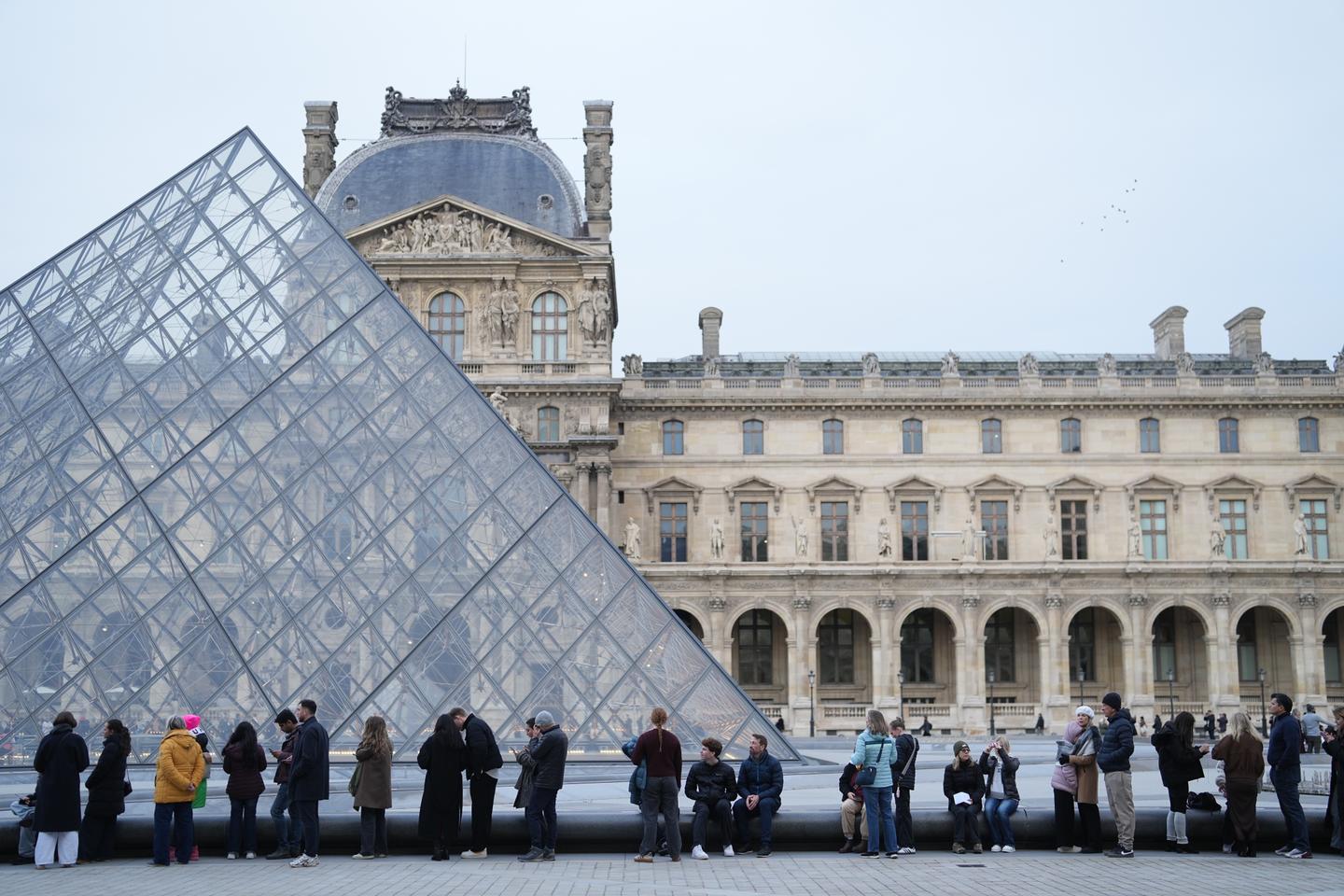
The French government has introduced differential pricing at major state-owned cultural sites: from Jan. 14 the Louvre will charge non-EU adults €32 (a 45% rise) and the Palace of Versailles will increase fees by €3, with the policy intended to raise roughly €20–30 million annually to help fund a roughly €1 billion Louvre renovation. The move, affecting large cohorts of US, UK and Chinese tourists and sparking union condemnation and strike threats, shifts the burden toward non-European visitors while keeping free access for minors and EU residents under 26, and could modestly affect visitor sentiment and operational procedures (identity checks) but is unlikely to be materially market-moving.
Market structure: The Louvre dual-pricing is a targeted revenue lift (government target €20–30m/year) that benefits public coffers and bidders on the announced ~€1bn renovation (large French contractors) while imposing modest headwinds on Paris-area retail, food & experience businesses that rely on non‑EU tourists. Price elasticity is likely low — €32 ticket remains a small share of an average international trip — so nuclear declines in demand are unlikely; instead expect marginal substitution (shorter visits, more audio‑guides, fewer impulse purchases) that pressures adjacent retail/REIT cashflows. Cross‑asset effects should be small but asymmetric: slight positive for contractors’ backlog (equity), negligible sovereign improvement for OATs, and idiosyncratic downside for Paris retail landlords and hospitality names concentrated on non‑EU traffic.
Risk assessment: Tail risks include sustained strikes or a diplomatic/industry backlash that trims non‑EU arrivals by 5–15% over 6–12 months, creating visible revenue loss for adjacent businesses and contractors if work is delayed. Immediate timeline (days–weeks): union actions and ticketing friction; short term (weeks–months): queue/throughput and reputational effects; long term (1–3 years): policy contagion across other major sites or renegotiated renovation budgets. Hidden dependencies: passport checks increase staffing costs and reduce throughput per hour; renovation cost overruns could push additional fiscal asks (>€200–300m) onto the state.
Trade implications: Direct actionable plays include tactical long positions in global travel intermediaries (BKNG, ABNB) via 3–9 month call spreads anticipating inelastic demand into summer 2026, and selective longs in listed French contractors contingent on award news (if VINCI/Bouygues win, expect +6–12% over 12–18 months). Short selective Paris retail landlord Klépierre (LI.PA) via 3-month puts sized 0.5–1% of portfolio as a hedge to visitor footfall risk; pair trade long contractors (1–2%) / short LI (0.5–1%) to express divergence. Options: buy 3‑6 month ATM puts on LI.PA (5–10% OTM) and buy 6–12 month call spreads on BKNG or ABNB to limit premium outlay.
Contrarian angles: The market underestimates that renovation capex is the real alpha: construction wins and longer-term tourism product upgrades can boost associated hospitality/transport revenue 2–4% annually in Paris if completed on time. Historical parallels (Machu Picchu, Taj Mahal dual pricing) show limited long‑term demand erosion; initial political noise often overstates persistence. Unintended consequences could accelerate premium/timed ticketing and private fast‑track product adoption, benefiting platforms that sell dynamic add‑ons (BKNG, EXPE, ABNB Experiences).
AI-powered research, real-time alerts, and portfolio analytics for institutional investors.
Request DemoOverall Sentiment
neutral
Sentiment Score
-0.15
