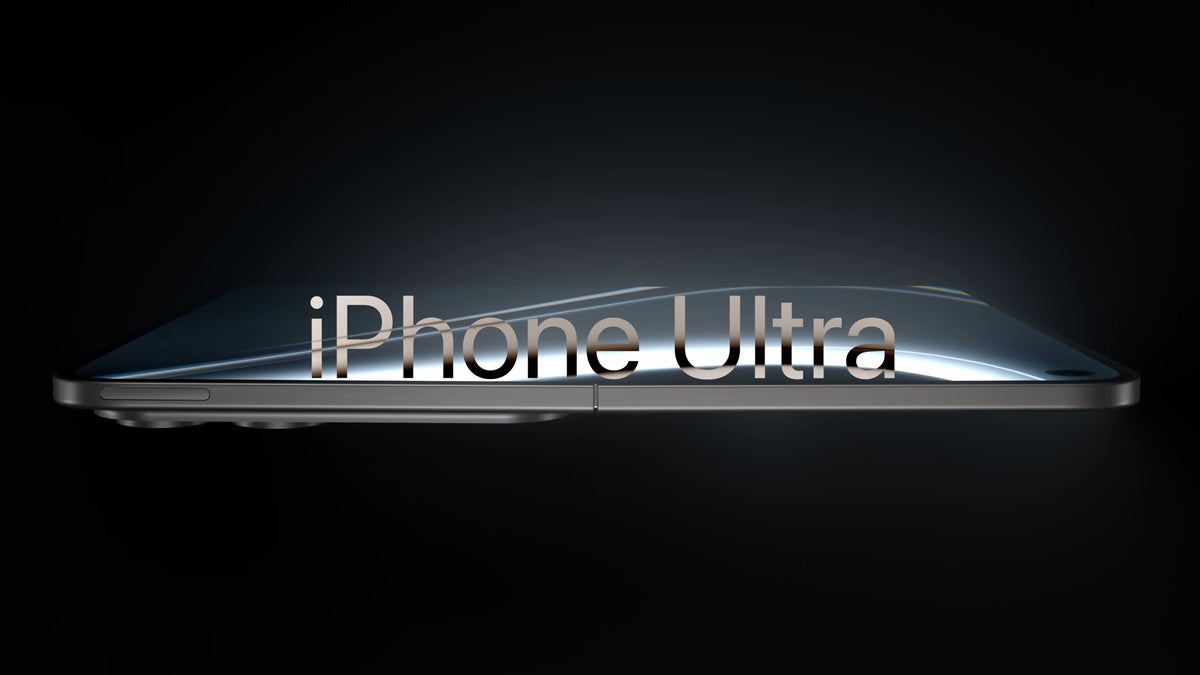
Apple’s foldable iPhone Ultra is facing multiple reported setbacks, including the loss of a creaseless display ambition and possible delays due to a rattling hinge in prototypes. The article also says Apple’s broader three-year iPhone redesign roadmap has been compromised, with the iPhone 18 Pro and iPhone 20 Pro unlikely to fully meet earlier targets. The piece is opinionated, but it suggests softer enthusiasm around the launch rather than a direct fundamental hit.
The market is likely underestimating how much execution slippage can compress the premium multiple around Apple’s product cycle. For AAPL, the issue is less near-term unit volume than the credibility of the “innovation re-acceleration” narrative: once a flagship category is perceived as compromised, traders typically de-rate the next 2-3 launch windows, not just the current one. That matters because Apple’s valuation has historically supported a scarcity premium when the roadmap looks clean; visible engineering tradeoffs and schedule risk weaken that premium even if demand ultimately proves durable.
Second-order effects extend beyond Apple’s handset line. Suppliers with meaningful exposure to new form-factor components, hinge-related assemblies, advanced displays, and precision mechanics face a higher probability of deferred revenue recognition and more volatile order patterns into the next 2-4 quarters. At the same time, Android foldable leaders and premium OEMs can use the noise to frame themselves as lower-risk alternatives, especially in markets where consumers are already skeptical about paying up for early-generation foldables.
The contrarian view is that this is more of a timing/expectations reset than a product thesis break. If Apple ships even a merely good foldable, the company can still convert its installed base through software lock-in and upgrade financing, and the market may quickly forgive the launch quality issues. But the key risk is that the first launch becomes a ‘good enough’ product rather than a category-defining one, which would cap the multiple expansion that bulls are paying for today.
Catalyst-wise, the next 1-2 quarters matter more than the launch itself: any further delay, component leak, or software integration issue will likely hit sentiment harder than headline specs. If management has to keep leaning on a broader hardware refresh story to offset the foldable’s shortcomings, that is a tell that the product is not pulling its own weight commercially.
AI-powered research, real-time alerts, and portfolio analytics for institutional investors.
Request DemoOverall Sentiment
moderately negative
Sentiment Score
-0.34
Ticker Sentiment
