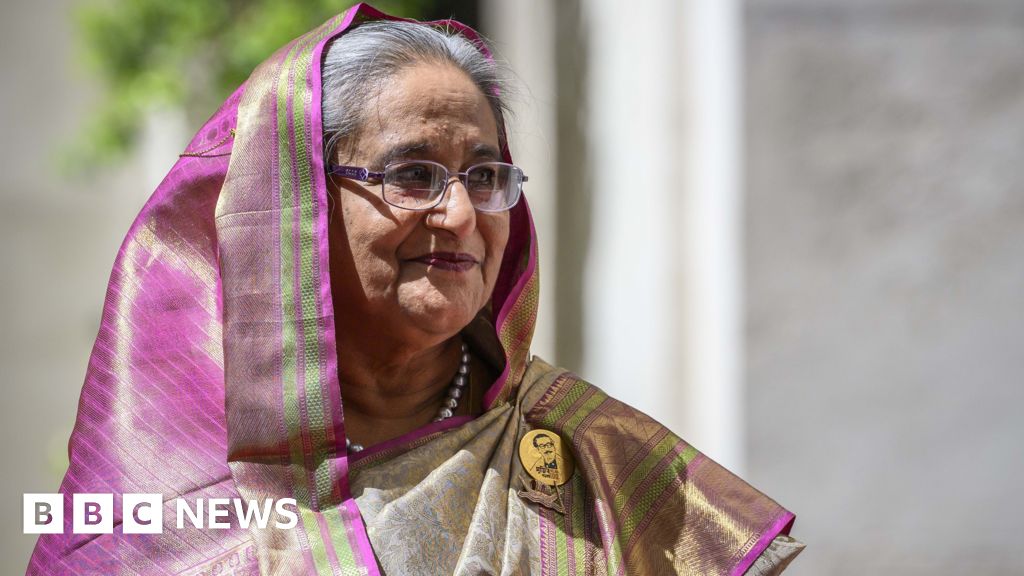
Bangladesh's ousted 78-year-old former prime minister Sheikh Hasina has been sentenced to death in absentia by a domestic International Crimes Tribunal for crimes against humanity over a 2024 crackdown on student-led protests that prosecutors say killed about 1,400 people; Hasina, exiled in India since July 2024, denies the charges and her lawyers have raised fair-trial concerns with the UN. The verdict, delivered amid heightened security and episodes of violence in Dhaka, vindicates protesters and offers closure to victims but deepens domestic polarization, complicates Bangladesh-India relations (Dhaka has sought extradition while Delhi has shown no willingness to comply) and raises political risk ahead of a February 2026 election after the interim government of Nobel laureate Muhammad Yunus banned Hasina’s Awami League. The UN noted the moment’s importance for victims but opposed the death penalty, underscoring international legal and reputational risks as appeals and calls for referral to international courts continue.
Sheikh Hasina, 78, has been sentenced to death in absentia by Bangladesh's International Crimes Tribunal for crimes against humanity arising from a July 2024 crackdown on student-led protests that prosecutors say killed about 1,400 people. The tribunal convicted her on three counts — incitement, ordering killings and failing to prevent atrocities — and presented leaked audio verified by BBC Eye that prosecutors say shows authorization of lethal force; Hasina, exiled in India since July 2024, denies the charges and her lawyers have filed urgent appeals to the UN citing fair‑trial concerns.
The verdict deepens domestic polarization: the interim government led by Nobel laureate Muhammad Yunus called the sentence historic while Dhaka has banned the Awami League and formally sought extradition, but India has shown no willingness to comply, making execution unlikely. Dhaka experienced tightened security and a recent spike in violence, including bombings and arson, and a parliamentary election is scheduled for February 2026, creating a sustained political‑risk window. The UN Human Rights Office welcomed recognition for victims but opposed the death penalty, adding international legal and reputational scrutiny.
Market signals show moderately negative sentiment (−0.6) and a moderate market‑impact score (0.5), implying elevated but not systemic market risk. Expect heightened volatility in Bangladesh sovereign and local assets, potential capital‑flow sensitivity around extradition and appeals, and a protracted period of governance uncertainty that could deter inward investment until post‑election clarity.
AI-powered research, real-time alerts, and portfolio analytics for institutional investors.
Request DemoOverall Sentiment
moderately negative
Sentiment Score
-0.60
