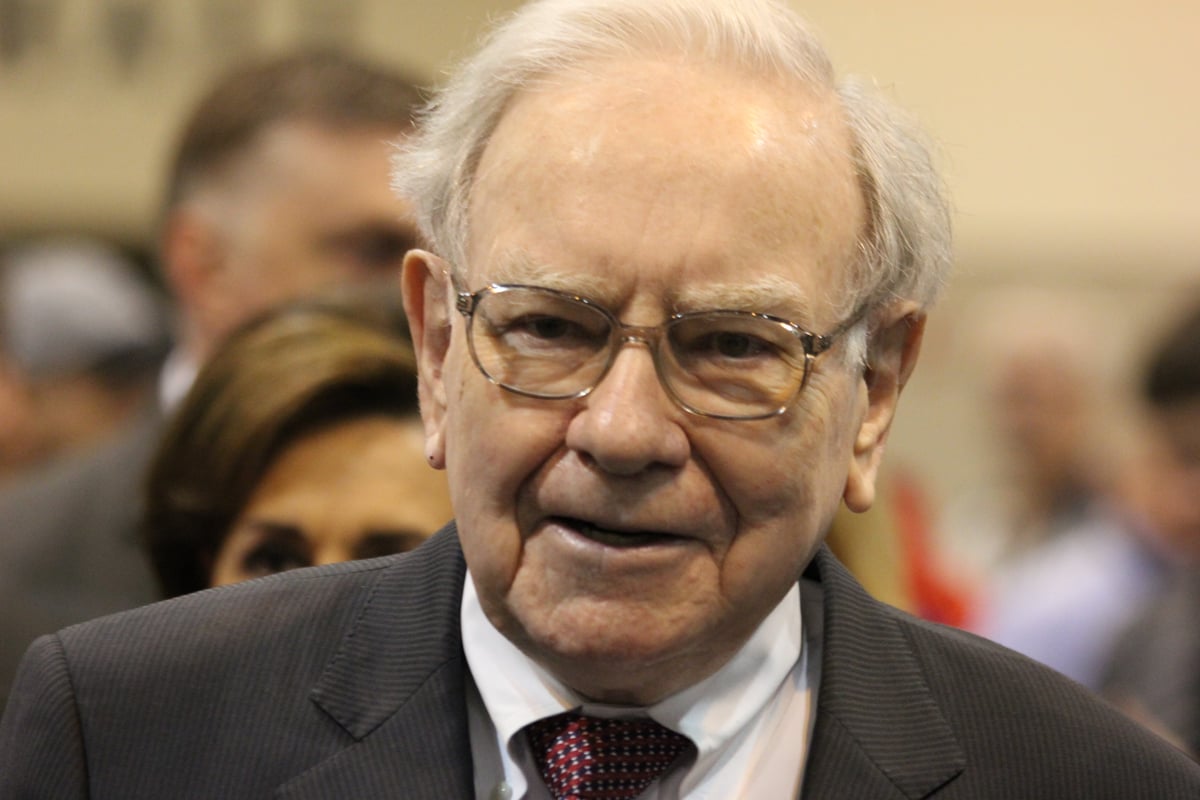
Warren Buffett has been a net seller for 12 consecutive quarters and built Berkshire Hathaway's cash stash to a record roughly $381 billion in Q3, reflecting concern about elevated market valuations (S&P 500 Shiller CAPE near 40) and frothy AI/tech multiples. The signal favors diversified portfolios, holding dry powder and pursuing selective opportunities—Buffett added positions such as Alphabet and UnitedHealth—suggesting a precautionary, opportunistic stance for allocators ahead of 2026.
Market structure: Buffett's sustained net-selling and a $381bn cash pile favor bidders with deep liquidity (private equity, strategic acquirers) while increasing vulnerability for high-valuation growth/AI names; with Shiller CAPE ~40, expect greater beta sensitivity — a 10–30% downside on disappointment scenarios is plausible. Liquidity bifurcation will lift takeover premia for small/mid caps and compress realized returns for passive large-cap growth holders. Cross-asset: a risk-off swing would push core bond yields lower, USD stronger and gold higher; options IV on mega-cap/AI names should trade 25–60% higher on spikes.
Risk assessment: Tail risks include an AI regulatory shock, Fed pivot to higher terminal rates, or earnings growth shortfalls that produce >25% equity drawdowns within 6–12 months. Immediate (days) risk is volatility spikes into CPI/Fed; short-term (3–6 months) is earnings repricing; long-term (1–3 years) is structural concentration risk and slower forward returns. Hidden dependency: Berkshire’s cash is largely illiquid to redeploy quickly without moving markets; index-fund flows can keep mega-cap prices detached from fundamentals. Catalysts: CPI/Fed minutes (next 30–90 days), Alphabet/UNH earnings, large M&A announcements.
Trade implications: Tactical allocations: favor selective exposure to fundamentally strong, underpriced large caps (GOOGL) and defensive compounders (UNH), underweight hyper-speculative AI-cap names unless risk-defined. Use hedges: 6-month 10% OTM put spreads on QQQ sized to cover 3–5% portfolio downside; sell covered calls to fund carry on long names. Pair trades: long UNH vs short BRK.B to express earnings stability vs cash drag; scale positions over 4–12 weeks and trim into rallies >15%.
Contrarian angles: Consensus ignores that Buffett’s selling may be liquidity/size-driven, not purely bearish — BRK.B weakness could be overstated near-term. History shows high CAPE can persist; mean reversion may be multi-year, so short-term panic trades can be costly. Mispricings likely in small-cap value and industrials where cash inflows are limited; unintended consequence: broad cash hoarding could create a durable premium for private/illiquid assets, compressing public small-cap valuations further.
AI-powered research, real-time alerts, and portfolio analytics for institutional investors.
Request DemoOverall Sentiment
mildly negative
Sentiment Score
-0.25
Ticker Sentiment
